


An Ancient Warning System
For our early ancestors, taste was a primary tool for survival. Sweetness often signalled energy-rich foods, while a bitter taste was a natural alarm bell, warning of potentially toxic plants and poisonous compounds. This evolutionary pressure left a deep-seated
instinct in humans: be wary of bitterness. For thousands of years, avoiding bitter plant toxins gave our ancestors an advantage, helping them steer clear of danger. This ancient biological programming is the reason many of us instinctively recoil from intensely bitter flavours, a primal 'yuck' factor that has been passed down through generations. It is a fundamental part of our biology, designed to protect us. But in today's world, where our food supply is overwhelmingly safe, this built-in aversion presents a modern paradox.
It's All in the Genes
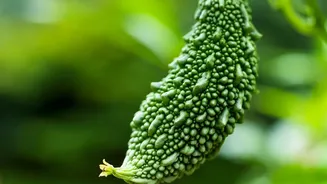
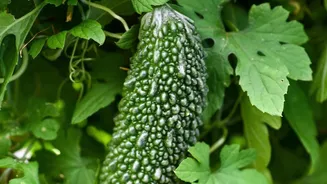
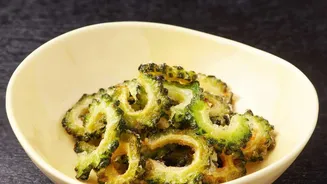
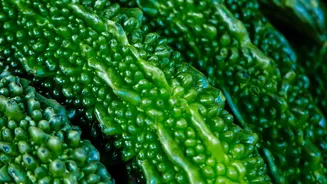
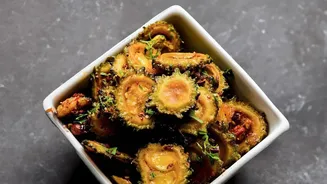
The headline's '9,000-person study' points toward a wealth of research on bitter taste perception, most notably from institutions like Penn State University, which has extensively studied the topic. This body of work, involving thousands of participants over the years, has zeroed in on a key reason for our varied reactions: genetics. Specifically, a gene called TAS2R38 is a major player. Everyone inherits two copies of this gene, but they come in different versions. Depending on the combination you have, you might be a 'non-taster' (who barely registers certain bitter compounds), a 'taster' (who perceives them clearly), or a 'supertaster' (who finds the same compounds overwhelmingly bitter). This genetic lottery explains why your friend might happily munch on bitter gourd (karela) while you find it inedible. It’s not just in your head; it’s coded in your DNA.
The Modern Health Paradox
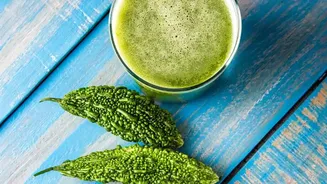
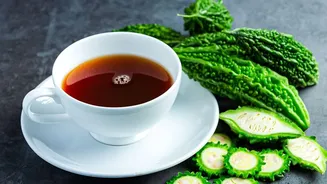
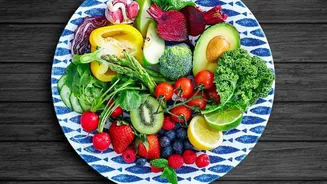
Here’s where it gets complicated. While our bodies evolved to avoid bitterness as a sign of poison, many of the healthiest foods in the modern diet are, in fact, bitter. Think of nutrient-packed leafy greens like kale and methi (fenugreek), cruciferous vegetables like broccoli and Brussels sprouts, and antioxidant-rich items like turmeric, green tea, and dark chocolate. These foods are loaded with beneficial compounds like polyphenols, flavonoids, and glucosinolates that are credited with anti-inflammatory, antioxidant, and disease-preventing properties. Traditional medicinal systems, including Ayurveda, have long celebrated bitter foods for their ability to aid digestion, support liver function, and regulate blood sugar. Our ancient survival instinct is now at odds with modern nutritional advice, forcing us to reconcile our innate aversion with the known health benefits of these powerful foods.
Bitterness Without Guarantees
The study's focus on 'bitterness without health guarantees' highlights a fascinating aspect of our food choices. It’s one thing to choke down a bitter green juice because you know it's good for you. But why do some people enjoy bitter flavours for their own sake? Research shows this isn't just about health knowledge. Some studies have linked a preference for bitter foods like strong coffee and pale ale beers to personality traits like risk-taking and sensation-seeking. For these individuals, the intense sensation of bitterness is not a negative but a rewarding experience in itself. This suggests that while genetics and evolutionary wiring provide the baseline, our psychology, culture, and experiences can override these initial signals. We can learn to appreciate bitterness, decoupling the sensation from its ancient 'danger' signal and recasting it as complex, interesting, or even pleasurable, regardless of a specific health promise.