





Gourds: The Monsoon Champions
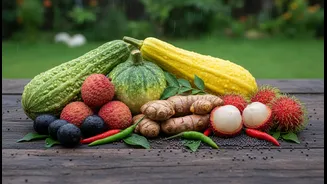
Vegetables like bottle gourd (lauki), bitter gourd (karela), and ridge gourd (turai) are staples for a reason. They are easy to digest, which is crucial as the digestive system can become sluggish during the monsoon. Lauki, for instance, is rich in water
and fibre, helping with hydration and digestion. Bitter gourd is well-regarded for its immunity-boosting properties and ability to help manage blood sugar levels. These vegetables are best consumed cooked, perhaps in a simple curry or soup, to eliminate any surface pathogens and make them easier on the stomach. Their peak cultivation during the rainy season ensures they are fresh, affordable, and packed with nutrients designed to support health during this time.
Jamun (Indian Blackberry): The Seasonal Gem
This deep purple fruit is a quintessential monsoon delight. Jamun is low in calories but packed with essential nutrients like calcium, iron, potassium, and Vitamin C. It's known to be particularly beneficial for stomach problems that are common during the rainy season and is also recommended for its ability to help regulate blood sugar levels. The presence of antioxidants helps in purifying the blood and boosting immunity, making it a perfect snack to combat monsoon-related ailments. Its availability peaks from June to September, making it a must-have in your fruit basket right now.
Citrus Fruits and Papaya: Your Vitamin C Powerhouses
Immunity is paramount during the monsoon, and Vitamin C is your first line of defence. While oranges, sweet lime (mosambi), and lemons are available for much of the year, they are especially valuable now. Vitamin C helps stimulate the production of white blood cells, which are key to fighting infections. Instead of packaged juices, opt for the whole fruit to get the added benefit of fibre. Another excellent choice is papaya. It is rich in Vitamin C and antioxidants, and also contains the enzyme papain, which aids digestion and helps prevent the bloating and constipation that can be common this season.
Ginger and Turmeric: The Immunity Spices
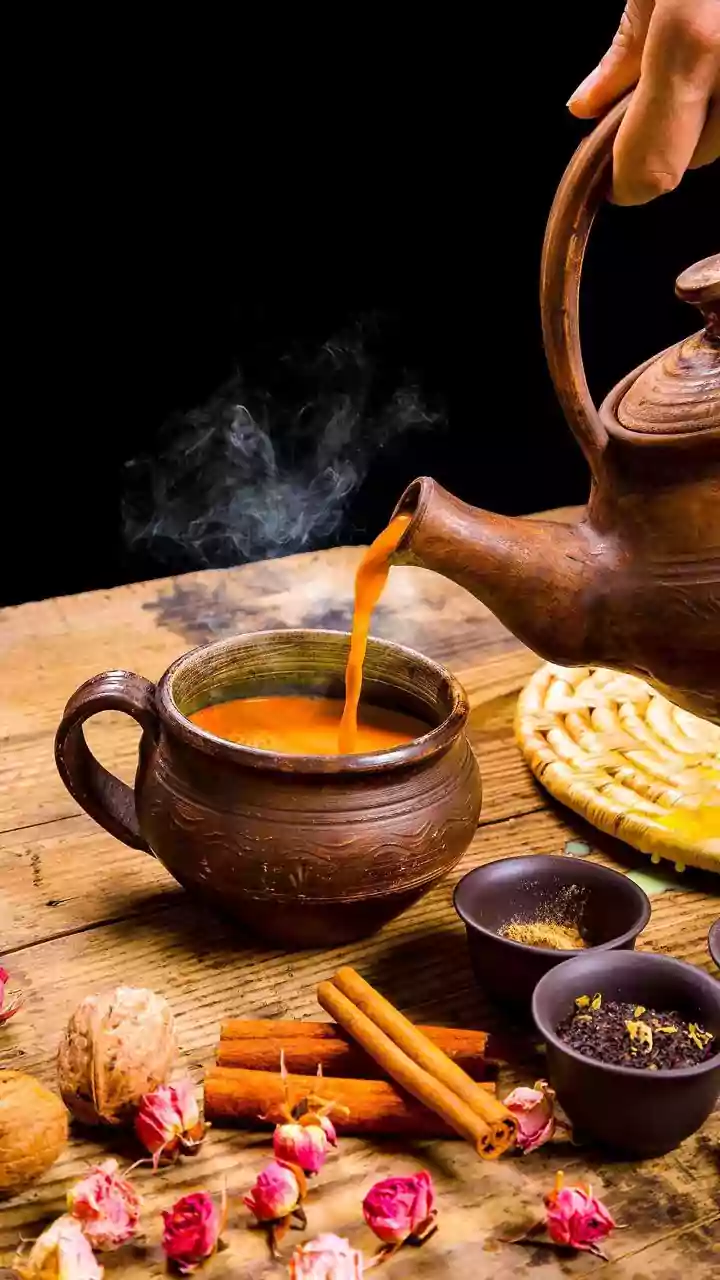
These roots are the foundation of Indian home remedies, especially during the rains. Ginger contains gingerol, a compound with powerful anti-inflammatory and antioxidant properties that can soothe an upset stomach and fight infections. A warm cup of ginger tea is a classic monsoon comfort. Turmeric, with its active compound curcumin, is a potent antiviral and antibacterial agent. It helps modulate the immune system and reduces inflammation. For maximum benefit, consume it with a pinch of black pepper to increase absorption. A daily dose of 'haldi doodh' (turmeric milk) is a time-tested way to keep illnesses at bay.
Pomegranate and Pear: Safe & Nutritious Choices
Pomegranate is celebrated for its rich nutrient profile and antiviral properties. It's a great fruit to have during the monsoon as it supports the digestive system and overall immunity. Pears are another excellent option, starting their season towards the end of summer and into the monsoon. They are packed with fibre and vitamins. Both fruits have thick skins that protect the flesh from the excess moisture and contamination that can affect other more delicate fruits during this season, making them a safer choice.
A Note on Leafy Greens
While leafy greens like spinach and cabbage are nutritional powerhouses, they require extra caution during the monsoon. The high moisture and humidity create an ideal environment for dirt, grime, and microbes to thrive in their folds. This increases the risk of stomach infections. If you choose to eat them, it is absolutely essential to wash them thoroughly, perhaps by soaking them in salt or vinegar water for a few minutes before rinsing. Crucially, they should always be well-cooked and never consumed raw in salads during this season to kill any potential pathogens.