




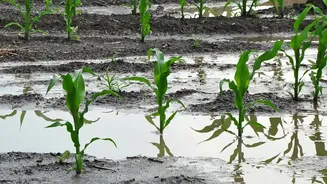
The Monsoon's Final Act
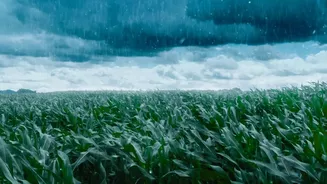
The Southwest Monsoon in India, a four-month-long spectacle of rain, officially begins its withdrawal in September. While July and August bring the heaviest downpours, the September rains have a unique and vital role. These 'late-monsoon' showers are
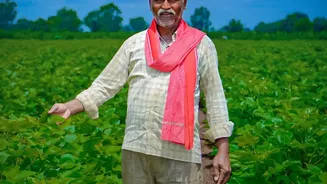
less about widespread deluges and more about topping up the country's natural savings accounts: its soil and its reservoirs. This year, the monsoon has been uneven, with a nationwide deficit of around 15% as of mid-September. The India Meteorological Department (IMD) has also forecast a below-normal rainfall for the month as a whole, increasing the stakes for the upcoming winter, or Rabi, crop season. The performance of these final rains will directly impact the prospects for millions of farmers.
Banking Water for a Dry Season
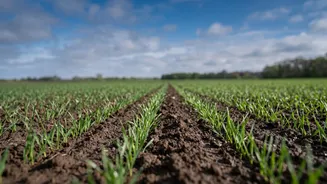
September rainfall performs two essential functions for the Rabi season, which begins in October. Firstly, it determines the moisture content in the soil. Farmers rely on this residual moisture to sow crops like wheat, chickpeas (chana), and mustard, which are planted after the monsoon recedes. If the soil is too dry, germination is poor, leading to a weak start for the crop. Secondly, these rains replenish India's vast network of reservoirs. As of mid-September 2026, water storage in monitored reservoirs was below normal levels and significantly lower than the previous year, with particular deficits in southern and northern regions. While recent rains have improved the situation in central and western India, overall levels remain a concern. These reservoirs are the primary source of irrigation for the Rabi crops, which grow during the country's dry winter months.
The Rabi Crop Connection
The success of the Rabi harvest, which accounts for nearly half of India's total food grain production, is therefore heavily dependent on the conditions set in September. The main Rabi crops are staples in the Indian diet. Wheat, the largest Rabi crop, requires several rounds of irrigation, making healthy reservoir levels non-negotiable. Pulses like chana and lentils, and oilseeds like mustard, are also major Rabi crops. The yield of these crops is directly tied to water availability. A weak monsoon finish, like the one being experienced in 2026 due to a strengthening El Niño phenomenon, poses a significant risk to sowing and output. Analysts have already flagged that the current conditions could be challenging for the winter planting season.
From Puddle to Plate: The Price Impact
The connection between September rain and the price of your chapati or dal is direct. When water levels are low and soil moisture is poor, the area sown under Rabi crops can shrink. Even in sown areas, the yield per hectare may fall. This anticipated reduction in supply causes a ripple effect through the market. Traders and wholesalers anticipate a tighter market and prices begin to firm up even before the harvest. This contributes to food inflation, a major concern for both households and policymakers. Food inflation in August 2026 was already close to 6%. While officials express hope that the situation is manageable, a poor Rabi season could sustain or even increase price pressures into the new year. The rains of September are, in essence, a crucial barometer for future food price stability.