

The Problem with Diesel in Paradise
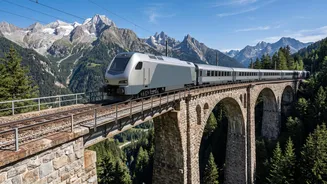
The Kalka-Shimla Railway, the Darjeeling Himalayan Railway, and the Nilgiri Mountain Railway are more than just train lines; they are UNESCO World Heritage Sites. These marvels of engineering snake through breathtaking landscapes, offering travellers
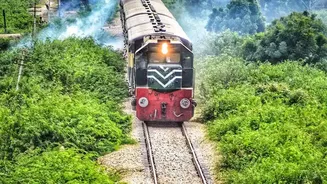
a unique window into some of India's most ecologically sensitive regions. For decades, diesel locomotives have been the workhorses on these routes. However, their operation comes at a steep environmental cost. Diesel engines emit greenhouse gases like carbon dioxide, along with harmful pollutants such as nitrogen oxides and particulate matter, which contribute to air pollution. They also generate significant noise, disturbing wildlife. Furthermore, oil and lubricant leakages from these engines can contaminate the soil and water in these pristine areas, impacting the entire ecosystem. As India pushes towards its goal of becoming a net-zero emitter by 2030, finding a cleaner alternative for these iconic routes has become a priority.
How Hydrogen Fuel Cell Trains Work
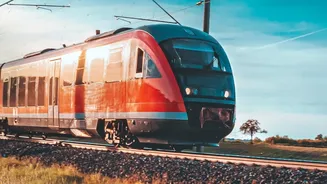
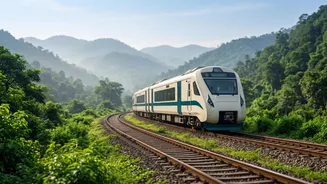
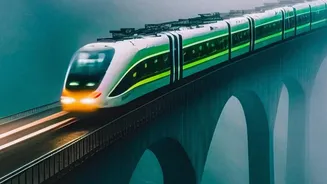
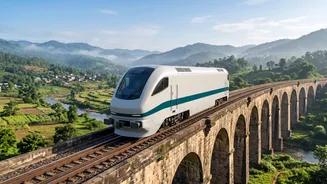
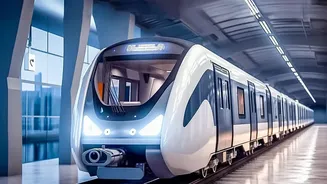
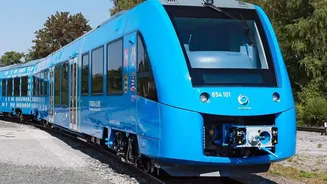
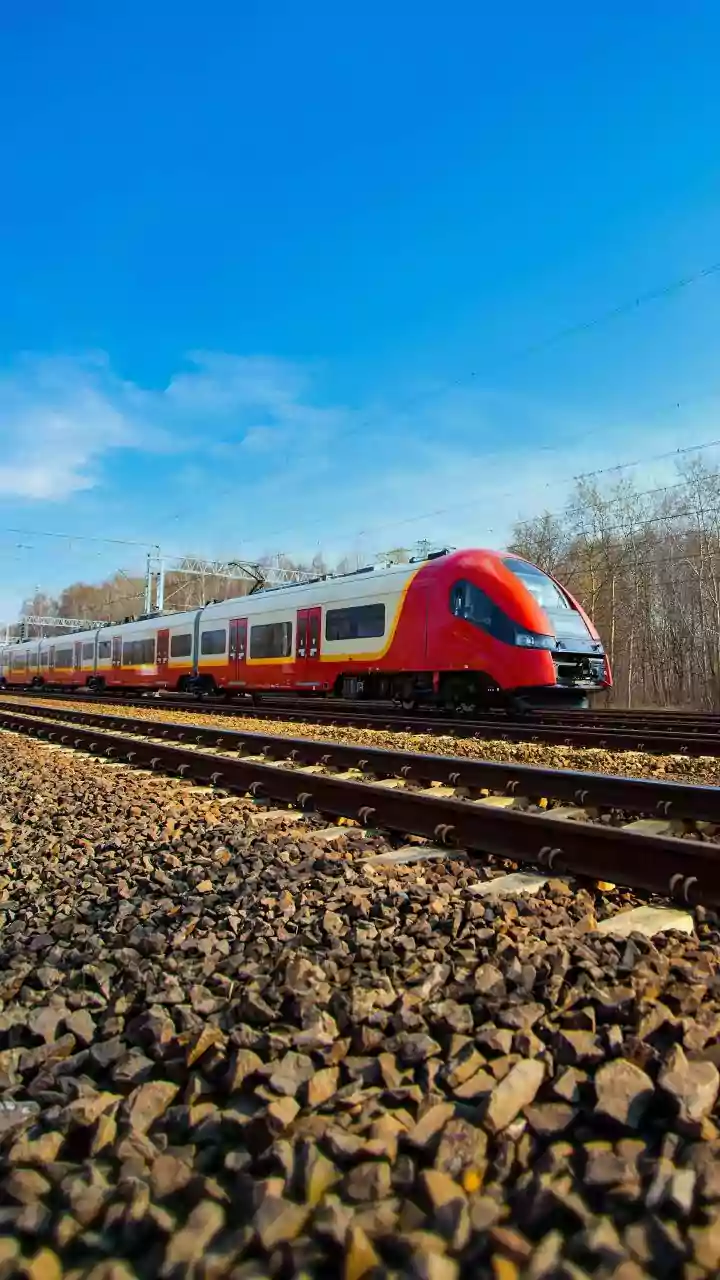
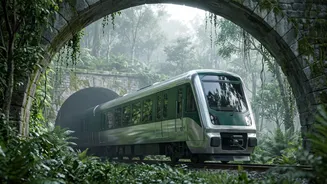
Hydrogen locomotives, or 'hydrail', represent a technological leap towards zero-emission transport. Instead of burning fuel, these trains use a fuel cell to generate electricity onboard. Inside the fuel cell, hydrogen stored in high-pressure tanks chemically reacts with oxygen drawn from the air. This electrochemical reaction produces two things: electricity to power the train's motors and charge its onboard batteries, and water vapour, which is the only emission. This process is quiet and completely free of the carbon emissions, smoke, and pollutants associated with diesel engines. By generating their own power, these trains eliminate the need for overhead electric wires, a crucial advantage on heritage routes where installing such infrastructure would be visually disruptive and technically challenging, especially through numerous tunnels.
India's 'Hydrogen for Heritage' Mission
Recognising the unique challenge and opportunity, Indian Railways launched the 'Hydrogen for Heritage' initiative. The project aims to retrofit existing diesel trains with hydrogen fuel cell systems and deploy them on 35 of the country's heritage and hill routes. This strategy is more cost-effective than purchasing entirely new trains. The Kalka-Shimla line is a primary candidate for this green makeover. The plan involves not just converting the trains but also building the necessary support infrastructure, including hydrogen production and refuelling stations at key points along the routes, such as at Kalka, Barog, and Shimla. A pilot project on the Jind-Sonipat section in Haryana, flagged off in July 2026, is already providing valuable data on the performance, safety, and operational viability of this technology in Indian conditions. The experience gained here will be directly applied to the more challenging mountain railway deployments.
The Environmental and Heritage Payoff
The benefits of this transition are twofold. Environmentally, replacing diesel with hydrogen will lead to a dramatic improvement in air quality in the fragile Himalayan and Western Ghats ecosystems. The elimination of smoke and particulate matter will help preserve the vibrant flora and fauna. The reduction in noise pollution will create a more serene environment for both wildlife and the local communities that depend on tourism. For heritage, this technological upgrade is a form of preservation. It allows the iconic trains to continue operating in a manner that respects their natural surroundings. By avoiding the installation of overhead electrical lines, the project protects the historical and aesthetic integrity of these UNESCO-listed railways, ensuring that their old-world charm remains intact for future generations to experience. This initiative perfectly aligns with India’s broader goals under the National Green Hydrogen Mission.
Challenges on the Path Forward
Despite the clear advantages, the road to a fully hydrogen-powered heritage railway network has its challenges. The initial costs are substantial, covering not just the train retrofitting but also the creation of a complex hydrogen production, storage, and refuelling infrastructure from scratch. The cost of green hydrogen, produced using renewable energy, is currently higher than diesel, although it is expected to decrease as technology scales up. Ensuring the safe handling and transport of flammable hydrogen, especially in mountainous terrain, requires robust safety protocols and specialised training. While a successful pilot is running on the plains of Haryana, adapting the technology to the steep gradients, sharp curves, and variable weather conditions of the hill railways will require further technical refinement.