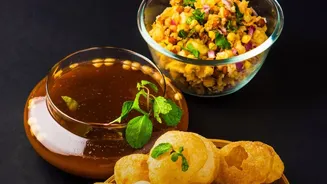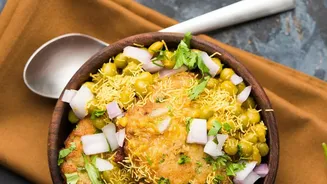



Nothing captures the spirit of Kolkata street food quite like Jhalmuri. It’s a riot of textures and flavours in a paper cone, but what truly makes it sing is one key ingredient: pungent, raw mustard oil. It’s the soul of the snack.
The Undisputed Star: Kachi Ghani Mustard Oil
To understand Jhalmuri,
you must first appreciate its most crucial component: mustard oil. Not just any mustard oil, but 'kachi ghani' or cold-pressed mustard oil. This isn't just a cooking medium; it's a flavouring agent used raw. Its sharp, almost sinus-clearing pungency is what gives Jhalmuri its signature kick and unmistakable aroma. While other ingredients are negotiable, substituting this oil is like trying to make a biryani without rice. It provides a spicy heat that is different from chillies and acts as a binding agent, bringing all the disparate elements together into a cohesive, flavourful whole. This oil has been a cornerstone of Bengali cuisine for centuries, valued for its distinctive taste that no other fat can replicate.
The Foundation: Perfectly Crisp Muri
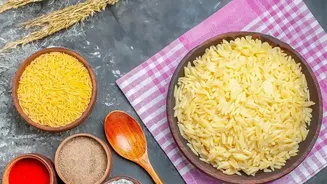
The body of the dish is 'muri', or puffed rice. The key to a good Jhalmuri is ensuring the muri is exceptionally crisp. If your puffed rice feels anything less than perfectly crunchy, it will turn soggy the moment the wet ingredients are added. A common trick from street vendors and home cooks alike is to lightly dry roast the puffed rice in a pan for a minute or two to drive out any moisture and restore its snap. This step is vital because the muri's job is to be a light, airy canvas that carries all the other flavours and textures. Without that initial crunch, the entire experience falls flat.
Building the Crunch and Substance
Jhalmuri is a masterclass in textural contrast. After the muri, the next layer is all about crunch and bite. This can come from a variety of sources. Roasted peanuts are a classic addition. Then there's 'chanachur', a popular Bengali savoury mix that is a universe of textures in itself, often containing sev (crispy chickpea flour noodles), fried lentils, and other crunchy bits. Many recipes also call for boiled potatoes, which add a soft, substantial counterpoint to all the crispness. Other common additions include boiled black chickpeas (kala chana) or yellow peas, sprouted lentils, and even small chunks of fresh coconut for a surprising, nutty sweetness.
The Flavour Burst: Fresh Veggies and Spices
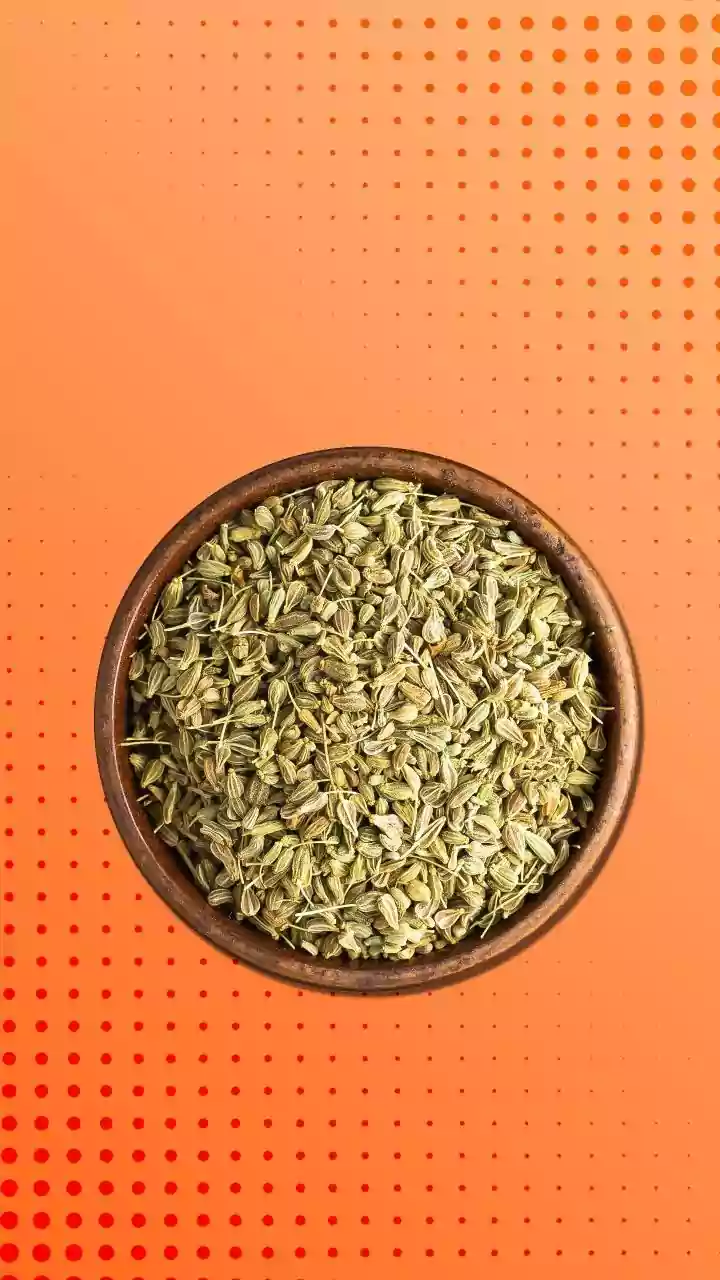
Now for the 'jhal' (spicy) and fresh elements. Finely chopped red onions, tomatoes (often de-seeded to reduce moisture), cucumber, and fresh coriander leaves are non-negotiable for that burst of freshness. Green chillies, chopped finely, provide the initial, sharp heat. The tang comes from a squeeze of fresh lime or lemon juice and sometimes a sprinkle of 'amchur' (dry mango powder). The real secret weapon, however, is often a proprietary 'Jhalmuri masala'. While many street vendors have their own secret blend, a good starting point for a home version includes roasted cumin powder, coriander powder, black salt ('kala namak'), and chaat masala.
The Art of Assembly
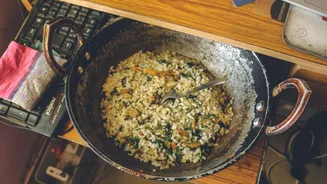
How you mix Jhalmuri is just as important as what you put in it. Speed is key to prevent sogginess. The traditional method is to combine all the dry ingredients first—the muri, spice powders, and crunchy elements like peanuts and chanachur. Give this a quick toss. Next, add the wet ingredients: the chopped onions, tomatoes, chillies, and boiled potatoes. The final, crucial step is to drizzle the raw mustard oil and a squeeze of lime juice over everything. Mix it all together vigorously with a spoon, creating that iconic clanging sound if you're using a steel bowl. The goal is to coat everything lightly with the oil and spices without letting the muri absorb too much moisture. It must be served and eaten immediately.
Riffs on a Classic: Building Your Own Jhalmuri
Once you master the basic formula, you can start to play. The headline asks how to build a recipe around mustard oil, and the answer lies in variation. You can add a spoonful of the oil from a mango pickle for an extra tangy, spicy dimension. Some versions include grated raw mango or cucumber for freshness. For a more substantial snack, increase the amount of boiled potatoes or add sprouted beans. The key is to maintain the balance of textures—crunchy, soft, and fresh—all while letting that pungent mustard oil flavour tie everything together. It is the anchor that allows for endless creativity.