

A Journey Preserved in Flavour
The story of Parsi food is a journey that began between the 8th and 10th centuries. Fleeing religious persecution in their native Persia (modern-day Iran), Zoroastrians set sail and found refuge on the shores of Gujarat. This migration was not just one
of people, but of a culture that had to adapt to survive. With them, they brought Persian culinary traditions rich with nuts, dried fruits, and stews. But in India, they discovered a vibrant new pantry. The abundance of fresh vegetables, a stark contrast to the scarcer produce in ancient Persia, began to shape their cooking. Local ingredients like coconut, tamarind, and a kaleidoscope of spices were gradually woven into their recipes, creating a cuisine that is uniquely and distinctly Parsi.
The Parsi Art of Blending
Parsi cuisine is celebrated for its masterful balance of 'tikhu-khatu-mithu'—a trifecta of spicy, sour, and sweet notes that dance in every dish. This philosophy is the result of blending Persian preferences with the bold flavours of Gujarati and Maharashtrian kitchens. While often associated with iconic meat dishes like Dhansak, Parsi vegetarian food is equally complex and celebratory. In a land of plenty, vegetables were no longer just a side note. The community embraced them, finding ingenious ways to incorporate them into their meals, reflecting both their Persian roots and their new Indian home.
Enter the Humble Kathal
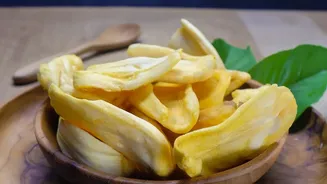
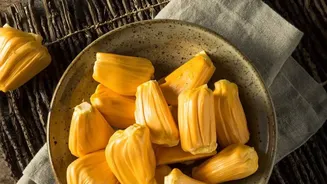
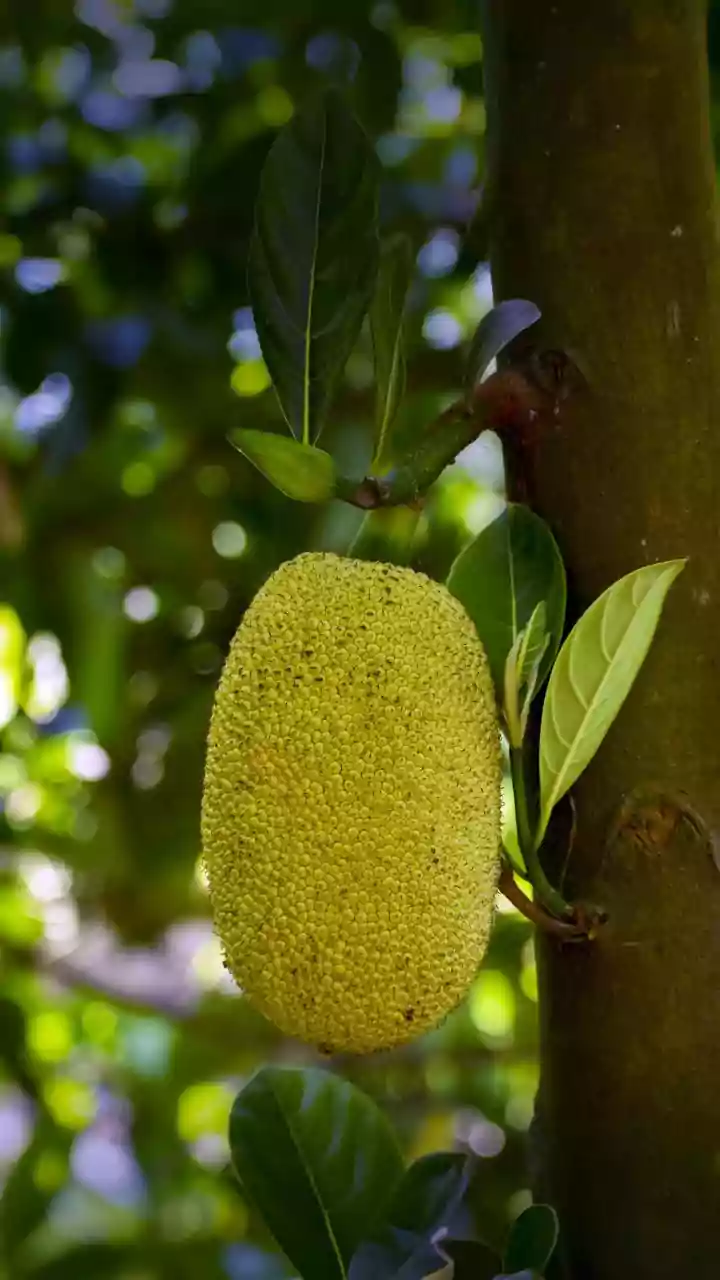
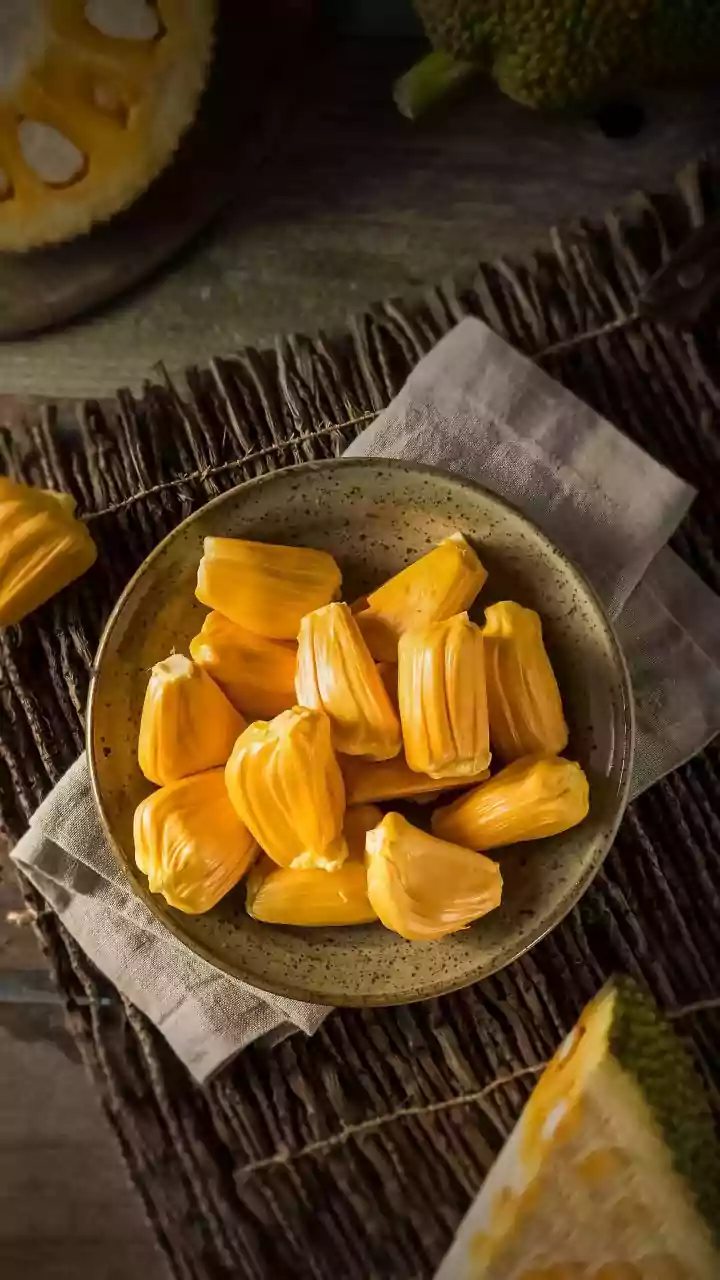
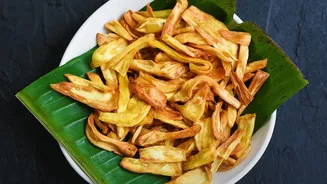
Jackfruit, or Kathal, is one of India’s most ancient and versatile fruits, cultivated for thousands of years. It’s a culinary chameleon; when ripe, it’s a sweet, fragrant treat, but when raw, its dense, fibrous texture makes it an excellent 'vegetable meat'. This quality has made it a staple across the country in dishes from biryanis to curries. For a cuisine like Parsi, which loves its meat but is surrounded by a largely vegetarian culture, raw jackfruit was a natural fit. Its ability to absorb spices and mimic the satisfying texture of meat allows it to stand in beautifully in traditionally non-vegetarian preparations, offering a hearty and flavorful alternative.
Deconstructing the Parsi Kathal Curry
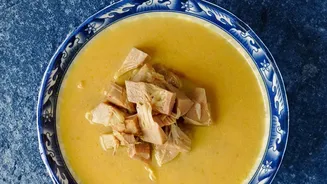
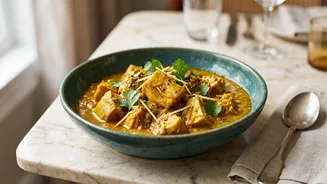
While recipes vary by family, a Parsi-style Kathal curry embodies the community's signature flavour profile. The preparation often begins by frying the raw jackfruit chunks until they are golden brown, which gives them a firmer texture and richer flavour. The heart of the dish is its masala. A base of slowly caramelized onions, ginger, and garlic provides a deep, savoury foundation. To this, a blend of classic Indian spices like turmeric, coriander, and chilli powder is added. What makes it distinctly Parsi is the careful balance of sour and sweet. This might come from tomatoes, a touch of vinegar for sourness, and a pinch of jaggery or sugar for a subtle sweetness, creating that beloved 'khatu-mithu' taste. The fried jackfruit is then simmered in this aromatic gravy, allowing it to soak up all the complex flavours until tender.
More Than Just a Meal
In every spoonful of Parsi Kathal, one can taste the story of a community. It tells a tale of leaving a homeland behind, embracing a new one, and creating something entirely new from the synthesis. The use of an indigenous Indian vegetable like jackfruit, prepared with a technique that balances Persian and Gujarati sensibilities, is a testament to the community's remarkable adaptability. Cooking and sharing these dishes becomes an act of remembrance and a way to pass down heritage from one generation to the next. It ensures that the journey of the Parsi people, with all its resilience and flavour, continues to be told not just in history books, but on the dinner table.