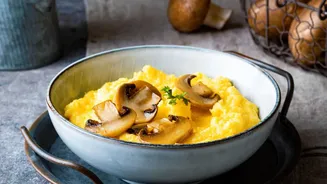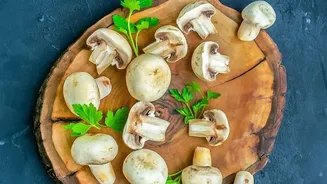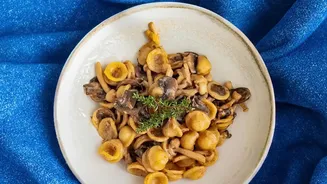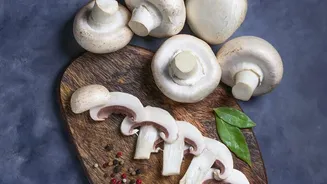






From Humble Topping to Main Event
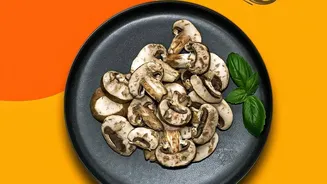
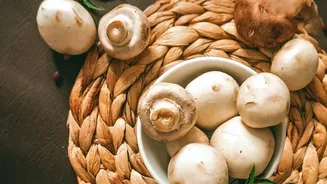
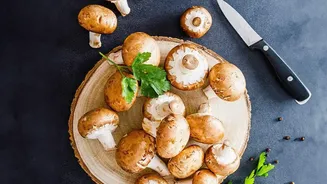
For years, mushrooms in India were largely synonymous with the common button variety, often playing a supporting role in familiar dishes like Mushroom Masala or Kadai Mushroom. While delicious, these preparations barely scratched the surface of what fungi
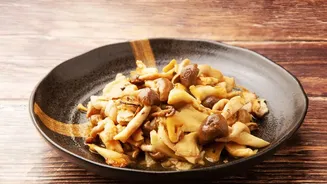
have to offer. Today, a significant shift is underway. Cafes and modern eateries are moving beyond the button mushroom, introducing diners to a world of gourmet varieties like shiitake, oyster, and the intriguing lion's mane. This expansion is transforming the mushroom from a simple add-on into a confident centrepiece, capable of carrying a dish entirely on its own.
The Power of Plant-Based and Umami
A major driver of this trend is the growing interest in plant-based eating. As more Indians look for vegetarian and vegan options, mushrooms have emerged as a natural meat substitute. Their firm, meaty texture provides a satisfying bite that many plant-based alternatives lack. More importantly, mushrooms are a rare natural source of umami, the fifth basic taste often described as savoury or 'meaty'. This allows chefs to create deeply flavourful vegetarian dishes that appeal even to dedicated non-vegetarians. Varieties like lion's mane are particularly celebrated for their seafood-like texture, making them a popular choice for vegan 'crab cakes' or 'scallops'.
A Canvas for Culinary Creativity
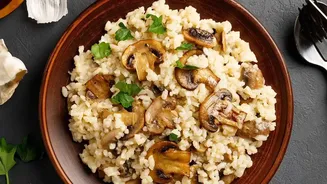
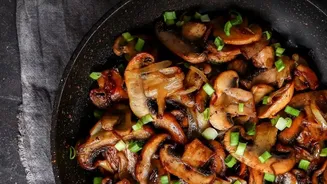
For innovative chefs, the diverse world of mushrooms is a playground of textures and flavours. The mild, delicate taste of oyster mushrooms makes them perfect for stir-fries and risottos, while the rich, smoky notes of shiitake add depth to broths and sauces. This versatility is inspiring a new wave of creative cafe fare. We're now seeing everything from pulled mushroom burgers that mimic slow-cooked pork to mushroom steaks and even savoury mushroom lattes. Chefs appreciate that fungi readily absorb spices and marinades, allowing them to be seamlessly integrated into both Indian and international flavour profiles. This adaptability makes them a dream ingredient for a modern Indian menu that is increasingly global in its outlook.
The Functional Food Factor
The mushroom's rise is also deeply connected to the wellness boom. Consumers are no longer just eating for taste; they're eating for function. Mushrooms are nutritional powerhouses—low in calories, high in protein, fiber, and essential nutrients like B vitamins, potassium, and selenium. Some varieties are also a rare non-animal source of Vitamin D. Certain types, like lion's mane, are gaining fame as 'functional foods' or 'adaptogens', believed to offer health benefits such as improved cognitive function and immune support. This alignment with health and wellness trends makes mushroom-centric dishes an easy choice for the growing number of health-conscious diners frequenting cafes today.
Sustainability and Local Sourcing
Finally, the trend is supported by a growing consciousness around sustainable food choices. Mushroom cultivation generally requires less land, water, and energy compared to animal protein production, giving it a smaller environmental footprint. Historically, mushroom consumption in India was limited, partly due to climatic conditions. However, recent advancements in agricultural techniques have made it easier to cultivate a wider variety of gourmet mushrooms locally. This increasing availability of fresh, high-quality produce allows cafes to source ingredients closer to home, ensuring better flavour while supporting local growers and a more sustainable food system.