


From Fasting Food to Daily Staple
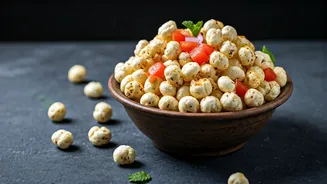
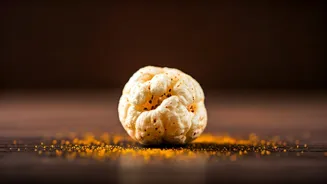
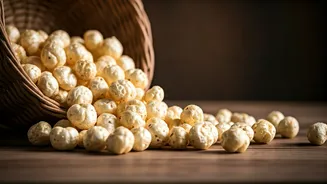
For generations, makhana, or fox nuts, held a quiet, respectable place in the Indian kitchen. Harvested from the seeds of the prickly water lily, these airy, white puffs were primarily known as a 'vrat' or fasting food—a light, permissible snack during
religious observances. It was nutritious, yes, but certainly not trendy. It was the food your grandmother recommended, not something you’d proudly share on Instagram. But in the last few years, makhana has undergone a spectacular transformation. It has shed its austere image and emerged as a crunchy, flavour-packed snack that appeals to everyone from toddlers to millennials, making the leap from the puja room to the pantry.
The Undeniable Health Halo
The primary driver behind makhana's meteoric rise is its impressive nutritional profile. In an era where consumers are increasingly scrutinizing labels and rejecting empty calories, makhana stands out as a guilt-free indulgence. It is naturally gluten-free, low in cholesterol, fat, and sodium, making it an excellent alternative to fried chips and namkeens. But it's not just about what it lacks. Makhana is rich in protein, carbohydrates, fibre, magnesium, potassium, and several key amino acids. This powerful combination helps keep you full for longer, aids digestion, and provides a slow release of energy, preventing the sugar crash associated with many other processed snacks. It's the perfect answer to the 4 PM hunger pang, offering a satisfying crunch without compromising health goals.
A Perfect Canvas for Flavour
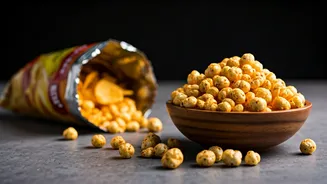
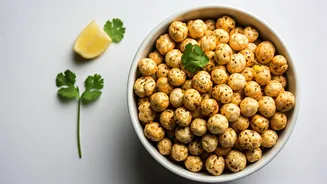
Health benefits alone don't make a snack a superstar; it has to taste good. Makhana’s neutral, subtle flavour and its delightfully airy, crunchy texture make it the perfect canvas for a wide array of seasonings. This is where 'masala makhana' truly shines. The initial homemade versions were simple—roasted in a little ghee with salt and black pepper. But today’s market is flooded with exciting, bold flavours that cater to the modern Indian palate. From classic pudina and chatpata masala to more adventurous options like peri-peri, cheese and herbs, and even wasabi, there is a makhana for every mood. This versatility allows it to satisfy cravings for something savoury, tangy, and crunchy, hitting all the right notes for a perfect snack.
Convenience, Branding, and the D2C Boom
The final piece of the puzzle is convenience, powered by savvy branding. While you can easily roast makhana at home, a host of new-age D2C (direct-to-consumer) brands and established FMCG giants have made it incredibly accessible. They packaged this humble seed in sleek, colourful, and convenient packets, positioning it as a premium, on-the-go snack. They took a traditional ingredient and gave it a modern, aspirational identity. This brilliant marketing, combined with easy availability on every e-commerce platform and in every neighbourhood kirana store, meant that a healthy, tasty snack was never more than a click or a short walk away. This removed the effort of preparation and placed it in direct competition with ready-to-eat snacks like potato chips.