


A Foundational Shift in Space Policy
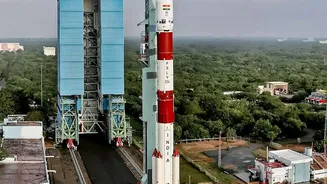
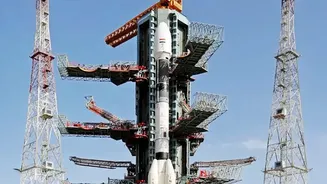
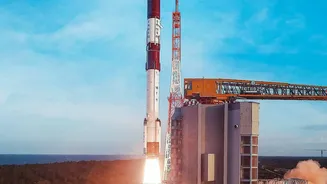
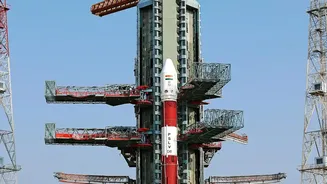
India's space programme, long celebrated for its frugal yet ambitious missions, has entered a new era. Historically, the Indian Space Research Organisation (ISRO) was the primary designer, manufacturer, and operator of the nation's space assets. Private
companies were largely confined to the role of component suppliers. However, landmark policy reforms initiated in 2020, and solidified by the Indian Space Policy of 2023, have opened the final frontier to private enterprise. This policy pivot is not about replacing ISRO but repositioning it. The goal is for ISRO to focus on advanced research, deep-space exploration, and national security missions, while private players drive innovation in the commercial domain, from building rockets to providing satellite-based services. This strategic unbundling aims to accelerate growth and capture a larger share of the global space economy.
The Architects of the New Ecosystem
To manage this transition, the government established two key bodies: the Indian National Space Promotion and Authorization Centre (IN-SPACe) and NewSpace India Limited (NSIL). Think of IN-SPACe as the single-window agency and regulator, designed to promote, hand-hold, and authorise the activities of private space companies. It streamlines a complex process, enabling startups to access ISRO's world-class facilities, testing infrastructure, and technical expertise. In August 2026, IN-SPACe began implementing new incentive schemes offering significant subsidies on launch services and technology transfers to lower entry barriers for these firms. Meanwhile, NSIL acts as ISRO's commercial arm, tasked with commercialising technologies developed by the space agency and procuring services from the private sector. Together, they form the institutional backbone of this new public-private partnership.
The New Stars of India's Space Race
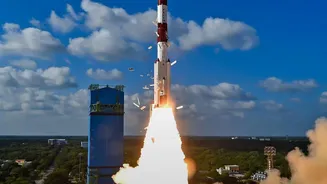
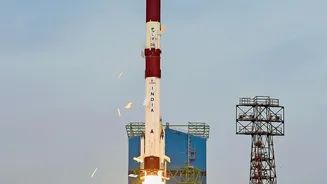
This supportive framework has led to an explosion of activity. India is now home to over 400 space-tech startups. Leading the charge are companies like Skyroot Aerospace, which made history with the successful orbital launch of its Vikram-1 rocket, the first privately developed rocket from India to achieve this feat. This targets the burgeoning market for small satellite launches, offering customers more flexibility than larger, bus-like rockets. Another trailblazer, Agnikul Cosmos, has pioneered 3D-printed rocket engines, a technology that drastically cuts manufacturing time and complexity. Their successful tests highlight India’s growing prowess in advanced propulsion systems. These companies are not just building on ISRO’s legacy; they are transforming its technological foundation into commercial capability.
An Ecosystem Beyond Launch Vehicles
The opportunity extends far beyond just launching rockets. The ecosystem is diversifying at a rapid pace. Bengaluru-based Pixxel is building a constellation of the world's most advanced hyperspectral imaging satellites, providing valuable data for agriculture, mining, and climate monitoring to clients globally. Companies like Dhruva Space are focusing on satellite manufacturing, while others are developing downstream applications, turning space-based data into actionable intelligence for various industries on Earth. This integrated approach, with startups specialising in propulsion, satellite manufacturing, and data analytics, is creating a resilient and comprehensive commercial space sector. This signals a shift from a launch-centric model to one where data monetisation is expected to drive future revenue.
The Economic Frontier and Future Trajectory
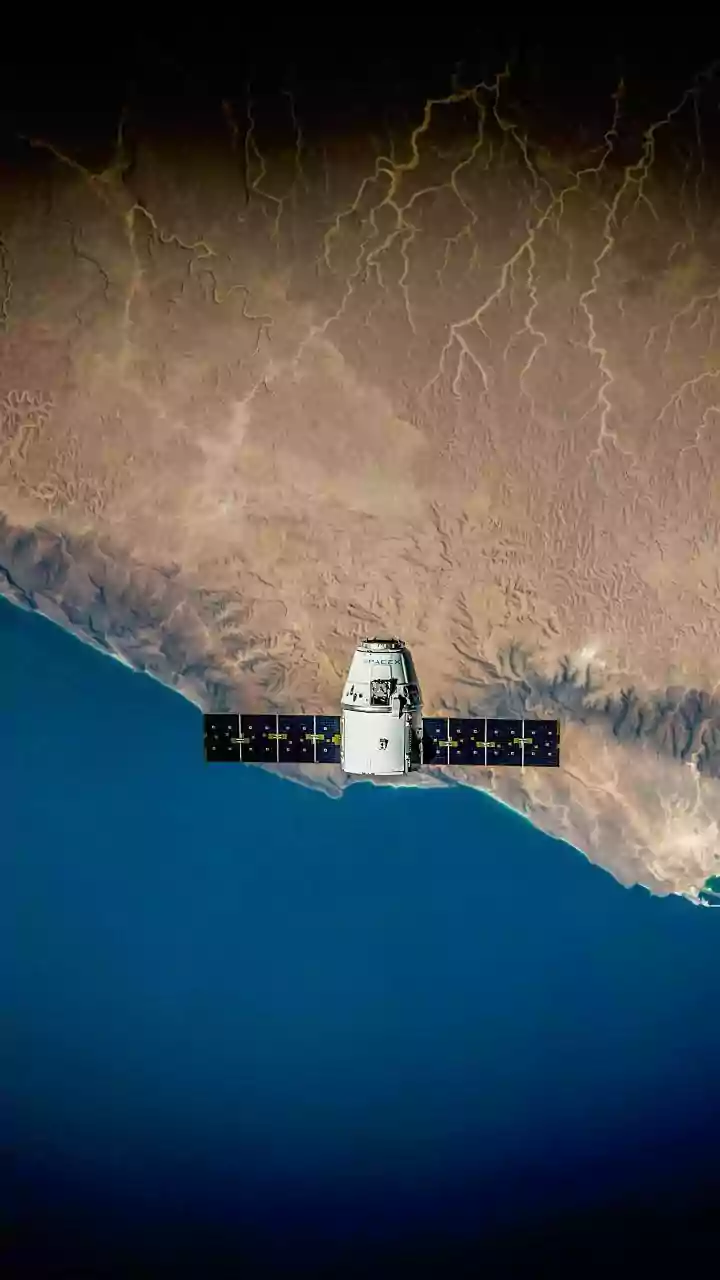
The economic stakes are enormous. India's space economy, currently valued at around $8.4 billion, is projected to surge to $44 billion by 2033, aiming for an 8% share of the global market. This ambitious target is fuelled by growing private investment, which has already surpassed $600 million cumulatively, and government initiatives like a dedicated venture capital fund for space startups. As private companies prove their capabilities, ISRO can devote more resources to frontier science, such as its lunar and solar missions. The model is similar to NASA's evolution, where it now relies on commercial partners like SpaceX for routine orbital transportation, freeing it to focus on deep-space exploration. India is now building its own version of that successful model.