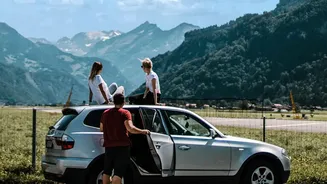









The concept of the grand, once-a-year holiday is fading for a new generation of travellers. Gen Z is increasingly trading meticulously planned two-week vacations for spontaneous weekend escapes and frequent, shorter breaks. This is more than just a preference;
it’s a fundamental shift in how young people approach travel, driven by a mix of digital culture, economic pragmatism, and a deep desire for flexibility.
The Rise of the Micro-Vacation
Forget saving up all year for a single, epic trip. For many young adults, the new ideal is the 'micro-vacation'—a short, refreshing getaway lasting just a few days. Recent data highlights this trend, with one survey revealing that seven in ten Gen Z travellers in India would rather take three short trips throughout the year than one long annual holiday. Another report found that nearly a quarter of young travellers in the UK prefer shorter, more frequent trips. This shift isn't just about taking more holidays; it's about integrating travel into life as a regular reset rather than a rare event. These quick breaks are easier to plan, less demanding on limited annual leave, and provide a consistent stream of new experiences to look forward to, helping to combat burnout and routine fatigue.
Digital Discovery and Spontaneity
Social media platforms are the new travel agents for Gen Z. Platforms like TikTok and Instagram are powerful engines for inspiration, with algorithms serving up an endless feed of unique stays, hidden gems, and local experiences. This constant exposure fuels a desire for immediate adventure. In fact, studies show that an overwhelming majority of Gen Z travellers are influenced by social media, with many booking trips to destinations they saw on TikTok. This has cultivated a culture of spontaneity, where a travel idea discovered on a Thursday can become a weekend reality. One report noted that 66% of Gen Z travellers book their trips within just days or weeks of departure, a stark contrast to the months of advance planning typical of older generations.
Economic Realities and Budget-Friendly Escapes
Financial prudence is a key factor driving this trend. While Gen Z values travel, they are also highly conscious of costs. Shorter trips are simply more accessible and affordable. A weekend getaway requires less upfront savings and spreads travel expenses throughout the year, making it feel more manageable. Research shows that cost is the number one factor for this generation when planning travel, and many are willing to make sacrifices, like taking shorter trips, to make their budget stretch further. This pragmatic approach allows them to travel more often without the financial pressure of a single, expensive annual holiday. The focus is on getting the best value and the richest experience for their money.
Flexibility Over Fixed Itineraries
Gen Z has been called the 'anti-itinerary' generation for a reason. There's a growing aversion to rigid, preplanned schedules. For many, the freedom to be spontaneous is a luxury in itself. A significant number of young travellers intentionally leave portions of their trips unplanned to allow for organic discovery and exploration. This desire for flexibility extends to their worklife balance. With the rise of remote and hybrid work models, it's often easier to arrange a long weekend than to block off a continuous twoweek period. Travel is increasingly seen as a way to achieve a mental reset, and the ability to escape on short notice is highly valued. Twothirds of Gen Z travellers even report taking trips with the intention of doing nothing at all—simply resting and enjoying a change of scenery.
The Experience is the Destination
For this generation, travel is less about ticking off famous landmarks and more about the quality of the experience. This can mean anything from staying in a unique accommodation like a treehouse or a farm stay to immersing oneself in local culture. The stay itself has become a primary draw, with many young travellers spending a significant portion of their trip time at their accommodation. They seek authenticity, personal growth, and connection over performative sightseeing. Whether it's a solo trip to build confidence or a relaxing break with friends, the emphasis is on creating meaningful memories rather than just collecting passport stamps. This mindset naturally favours shorter, more focused trips that deliver a specific kind of experience, be it wellness, adventure, or simply a peaceful retreat from daily life.