




The Nutritional Power of Peels
It’s a common kitchen habit to peel vegetables and discard the skins, but you might be throwing away a significant amount of nutrients. Many vegetable peels are packed with vitamins, minerals, and antioxidants. For instance, potato skins are a fantastic
source of fibre, potassium, iron, and B vitamins. While the flesh of a potato contains plenty of nutrients, the skin holds a high concentration of antioxidants and about half of the total fibre. Similarly, carrot peels contain about half of the vegetable's phenolic acids, which act as powerful antioxidants. Studies show that the peels of many fruits and vegetables can have significantly higher concentrations of antioxidants, fibre, and vitamins than the pulp. By incorporating these peels into your diet, you’re not just reducing waste; you're actively boosting the nutritional content of your meals.
Don't Dismiss the Stems
Just like peels, the stems of fresh herbs and leafy greens are often discarded without a second thought. However, these parts are not only edible but also full of flavour and nutrients. The stems of soft herbs like cilantro, parsley, and basil are tender and flavourful, making them perfect for blending into dips, sauces, and chutneys. They provide a concentrated burst of the herb's signature taste. Tougher stems from vegetables like kale or broccoli are also valuable. While they may be too fibrous to eat raw, they soften beautifully when cooked and can be blended into creamy, nutrient-dense dips. These stems contain beneficial compounds; broccoli stems, for example, are a good source of fibre, vitamin C, and potassium. Using the whole plant from root to stem is a cornerstone of zero-waste cooking that ensures you get the maximum benefit from your produce.
From Scraps to Spreads: Getting Started
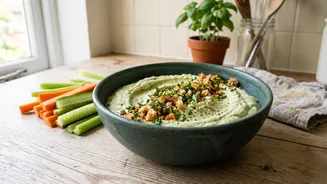
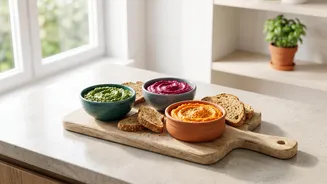
The idea of cooking with scraps can seem daunting, but turning them into dips is one of the easiest ways to begin. The process is simple: collect, cook, and blend. Start by saving clean peels from potatoes, carrots, and sweet potatoes, as well as the stems from a bunch of cilantro or parsley. For a savoury vegetable peel dip, toss the peels with a bit of olive oil and spices, then roast them until tender and slightly crispy. Once cooled, blend them in a food processor with a creamy base like Greek yogurt, hung curd, or cooked chickpeas. Add lemon juice for brightness, garlic for punch, and spices like cumin or paprika to round out the flavour. This method works for a wide variety of vegetable odds and ends, allowing for endless creativity.
An All-Purpose Green Stem Dip
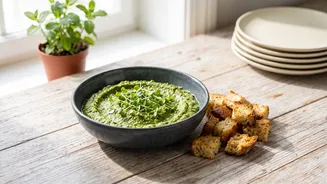
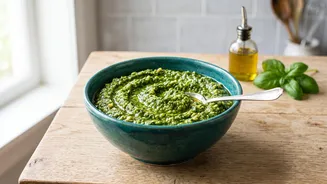
One of the best uses for leftover soft herb stems is a vibrant, pesto-like dip or spread. This is particularly popular in Indian cuisine, where green chutney is a staple. To make your own, gather a large bunch of cilantro or parsley stems (or a mix). In a blender, combine the stems with a clove of garlic, a green chilli for heat, a squeeze of lime or lemon juice, and a pinch of salt. Add a small amount of water or yogurt to help it blend into a smooth paste. For a creamier texture and healthy fats, you can add cashews, peanuts, or even avocado. This versatile dip can be used as a spread for sandwiches, a dip for snacks like samosas and pakoras, or a flavourful topping for grilled vegetables and meats.
A Smart Choice for You and the Planet
Adopting a zero-waste approach in the kitchen by using peels and stems does more than just create delicious dips. It's a practical way to combat food waste, a significant environmental issue. When food scraps end up in landfills, they produce methane, a potent greenhouse gas. By using every edible part of your produce, you're directly reducing your household's contribution to this problem. Furthermore, it’s an incredibly budget-friendly practice. You get more value from the produce you've already purchased, essentially getting extra ingredients for free. This simple shift in perspective—viewing scraps not as trash but as ingredients—makes your cooking more sustainable, creative, and ultimately, more nutritious.