


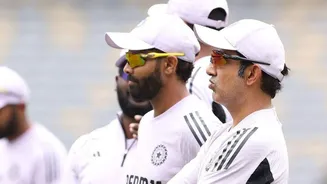
The Three-Dimensional Cricketer
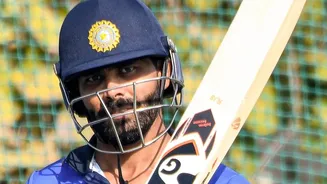
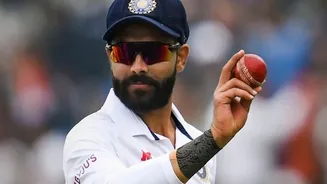
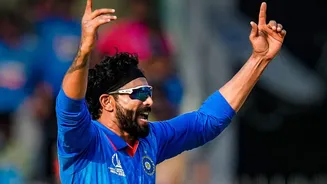
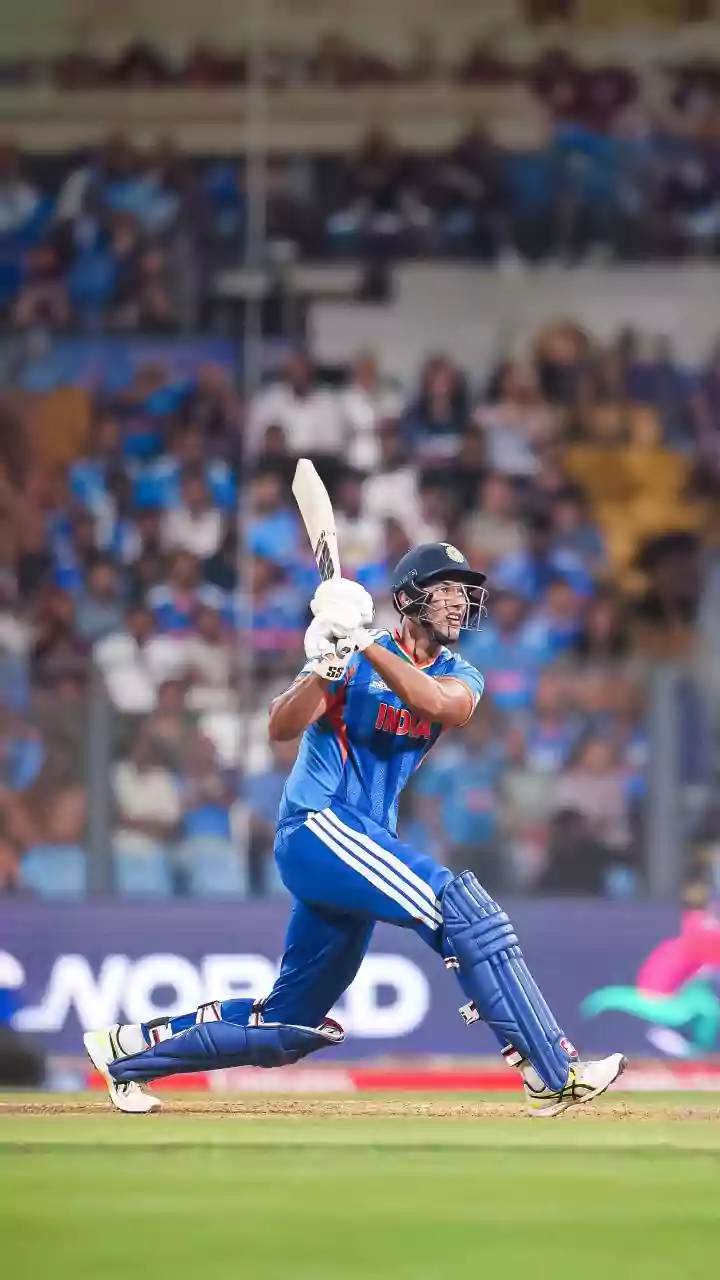
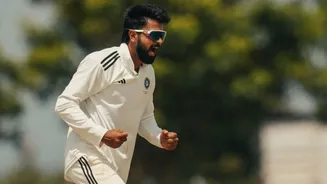
Let’s be clear: on his day, Ravindra Jadeja is irreplaceable. He is not just a player; he is a walking, breathing tactical advantage. As a left-arm spinner, he offers control and wicket-taking prowess. With the bat, he has transformed from a lower-order
slogger into a reliable batter with Test centuries to his name. And on the field, he remains one of the most electric fielders in the world, capable of turning a match with a single piece of brilliance. Shane Warne didn't call him 'The Rockstar' for nothing. In subcontinent conditions, his value multiplies. He is the kind of player who has been a cornerstone of India's Test dominance at home. His record speaks for itself, becoming one of the fastest to 250 wickets and over 2500 runs in Test cricket, a testament to his elite all-round ability. His inclusion, on paper, should be an automatic decision, not a topic of debate.
The Pressure from Within
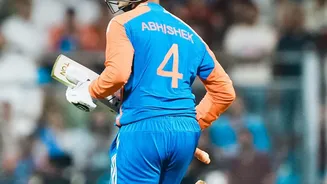
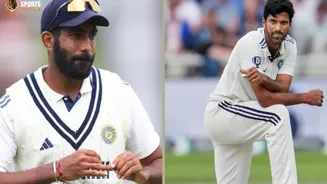
The reality, however, is that the Indian cricket ecosystem is relentless. While Jadeja was recovering from a recent tennis elbow injury, the production line of talent did not stop. The primary challenger is Axar Patel, a player with a similar skillset who has consistently performed whenever given the opportunity. Though his overall Test numbers are not yet in Jadeja's league, Axar has shown significant improvement, especially with the bat. Beyond Axar, selectors are also looking at a new generation of spin-bowling all-rounders like Manav Suthar and the 33-year-old debutant Saransh Jain, who has been rewarded for domestic consistency. The selection panel, led by Ajit Agarkar, has shown it is not afraid to make bold calls and prioritise future planning over past reputation as they build towards the next World Test Championship cycle. This intense internal competition means no player, not even Jadeja, can take their spot for granted.
The Battle Against Time and Body
At 37, Jadeja is in the twilight of his international career. While his fitness regimen is famously disciplined, the last few years have seen a worrying increase in injuries. A severe knee injury in 2022 was followed by hamstring issues and, most recently, a tennis elbow problem that has kept him out of action since May. These recurring fitness concerns are a major red flag for selectors who need to build a squad capable of enduring long and gruelling Test cycles. Each injury provides a window for a younger, more durable player to step in and make a case for themselves. The body becomes a bigger opponent than any bowler or batter. While he has shown incredible resilience to bounce back from setbacks, the question is how many more comebacks his body can handle at the highest level of the sport.
The Sri Lankan Litmus Test
This is what makes the upcoming two-Test series in Sri Lanka so critical. The pitches are expected to be slow and offer plenty of assistance to spinners, creating conditions that are tailor-made for Jadeja's style of bowling. This is his wheelhouse. If he can't be the match-defining force here, in an environment that plays perfectly to his strengths, the selectors' doubts will only grow louder. A dominant performance with both ball and bat would silence the critics and re-establish his supremacy as India's premier spin-bowling all-rounder. However, a mediocre series, where he is outperformed by younger peers or fails to make a significant impact, would hand his detractors all the ammunition they need. It is less a final chance and more the ultimate test: perform where you are expected to dominate, or risk paving the way for the next generation.