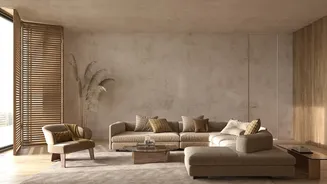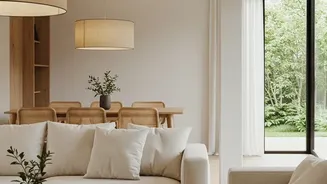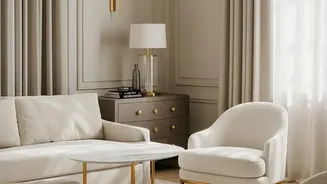

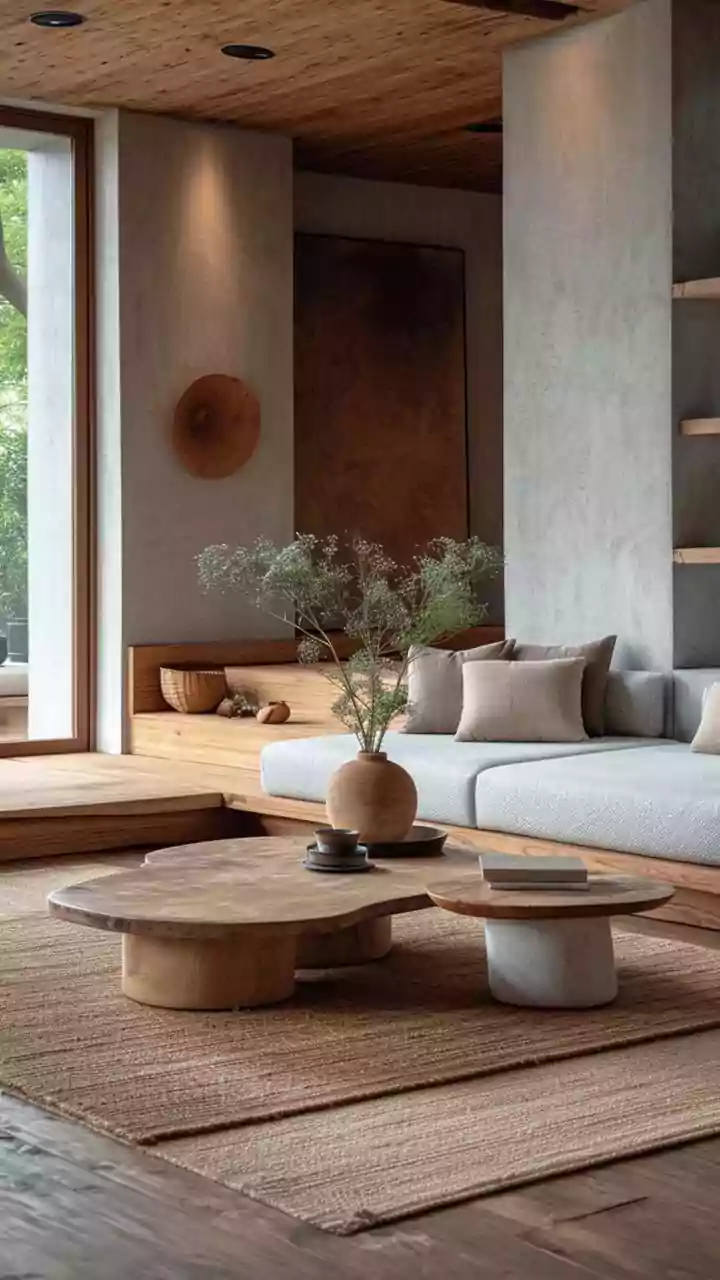


A neutral palette is the cornerstone of timeless design, offering a calm, sophisticated backdrop. But 'neutral' doesn't have to mean 'boring'. Here are five easy ways to transform your space using shades of white, beige, and grey with flair.
1. Layer Various Textures
The single
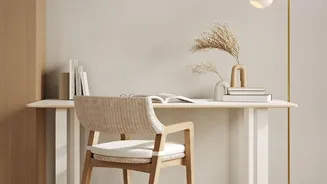
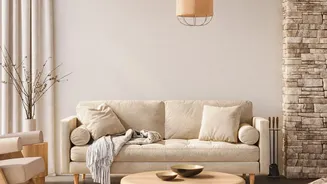
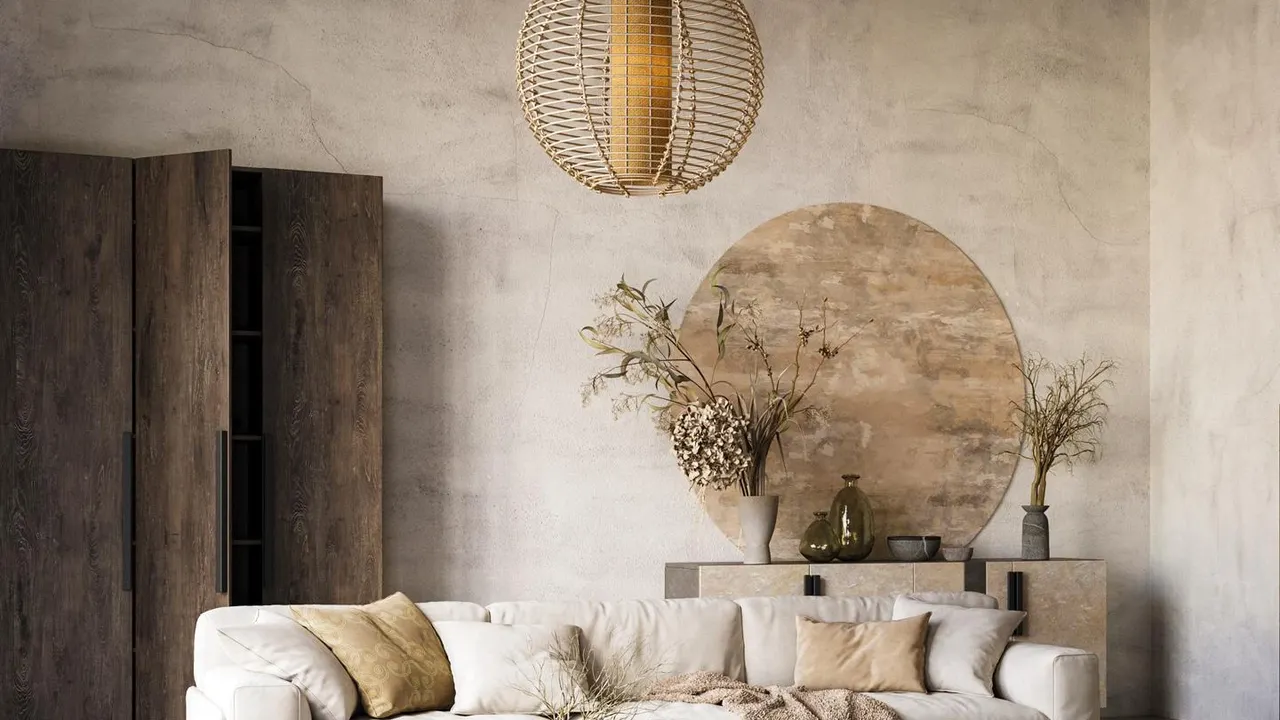
most effective way to bring a neutral room to life is by layering textures. When colours are subtle, the interplay of different materials creates visual interest and depth. Think about how different surfaces feel and how they reflect light. Combine soft, cosy materials like bouclé, chunky knits, and velvet with rougher, natural elements like linen, jute, and rattan. Imagine a smooth leather armchair on a woven wool rug, a soft linen sofa adorned with knitted cushions, or a rattan basket sitting next to a sleek wooden console. This mix of hard and soft, smooth and rough, makes the room feel curated, warm, and inviting without adding a single new colour.
2. Play with Different Tones
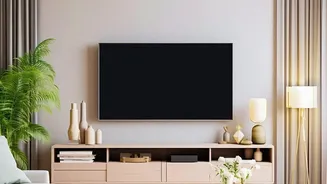
A common mistake is thinking a neutral room should use only one shade of beige or grey. In reality, the magic happens when you mix several tones from the same colour family. A successful neutral space often layers multiple shades—from light creams and off-whites to richer taupes and warm greys. This 'tone-on-tone' approach creates a harmonious and sophisticated look that feels intentional rather than flat. For example, you could have walls in a soft cream, a sofa in a slightly deeper biscuit shade, and cushions in a warm taupe. The subtle shifts in colour guide the eye around the room and build a sense of depth and warmth.
3. Introduce Natural Elements
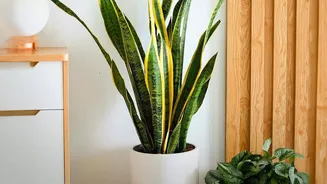
Bringing the outdoors in is a wonderful way to add life and character to a neutral scheme. Natural materials inherently complement a muted palette and prevent it from feeling sterile. Incorporate items like light-toned wood furniture, stone accessories such as a marble coffee table or clay vases, and plenty of greenery. Plants are a designer's secret weapon in a neutral room; their vibrant green adds a touch of organic colour and sculptural shape that feels fresh and alive. Similarly, accents of wood or stone provide a grounding, earthy quality that connects the space to the natural world and enhances its calming atmosphere.
4. Ground the Space with Black Accents
A touch of black can be the detail that elevates a neutral room from pleasant to stunning. Using black as an accent colour provides contrast, creates focal points, and adds a modern, graphic punch. This doesn't mean painting a wall black; the effect is often most powerful when used in small, considered doses. Think of black picture frames, the slender legs of a side table, a sculptural lamp, or sleek black hardware on doors and cabinets. These dark elements help to 'ground' the lighter tones in the room, preventing the space from feeling washed out and adding a layer of sophistication.
5. Focus on Shapes and Silhouettes
When your colour palette is restrained, the shapes of your furniture and decor become much more prominent. This is an opportunity to play with form and silhouette to create visual interest. A neutral backdrop allows unique shapes to truly shine without competing with bold colours. Consider a sofa with a gentle curve, a coffee table with an unusual geometric base, or a distinctive armchair. Even smaller items, like a sculptural vase or an art piece with a strong form, can become a captivating focal point. By focusing on interesting silhouettes, you can create a dynamic and memorable space that is full of personality, proving that a quiet palette can still make a bold statement.