





Beyond the Plastic Sheen of Synthetics
Walk into any budget-friendly furniture store, and you’ll be met with a sea of synthetic rugs made from materials like polypropylene, nylon, or polyester. They’re popular for a reason: they are inexpensive and come in every imaginable colour and pattern.
However, for apartment living, they have distinct downsides. These machine-made rugs can have a flat, plastic-like feel that does little to add warmth or character to a space. Furthermore, new synthetic rugs can sometimes release Volatile Organic Compounds (VOCs), chemicals from the manufacturing process, into your home. In a smaller, enclosed apartment, air quality is paramount, and introducing unnecessary chemicals is a concern many are looking to avoid.
The Natural Allure of Jute
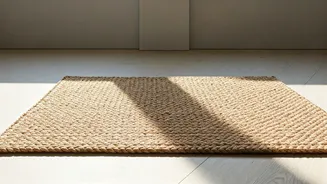
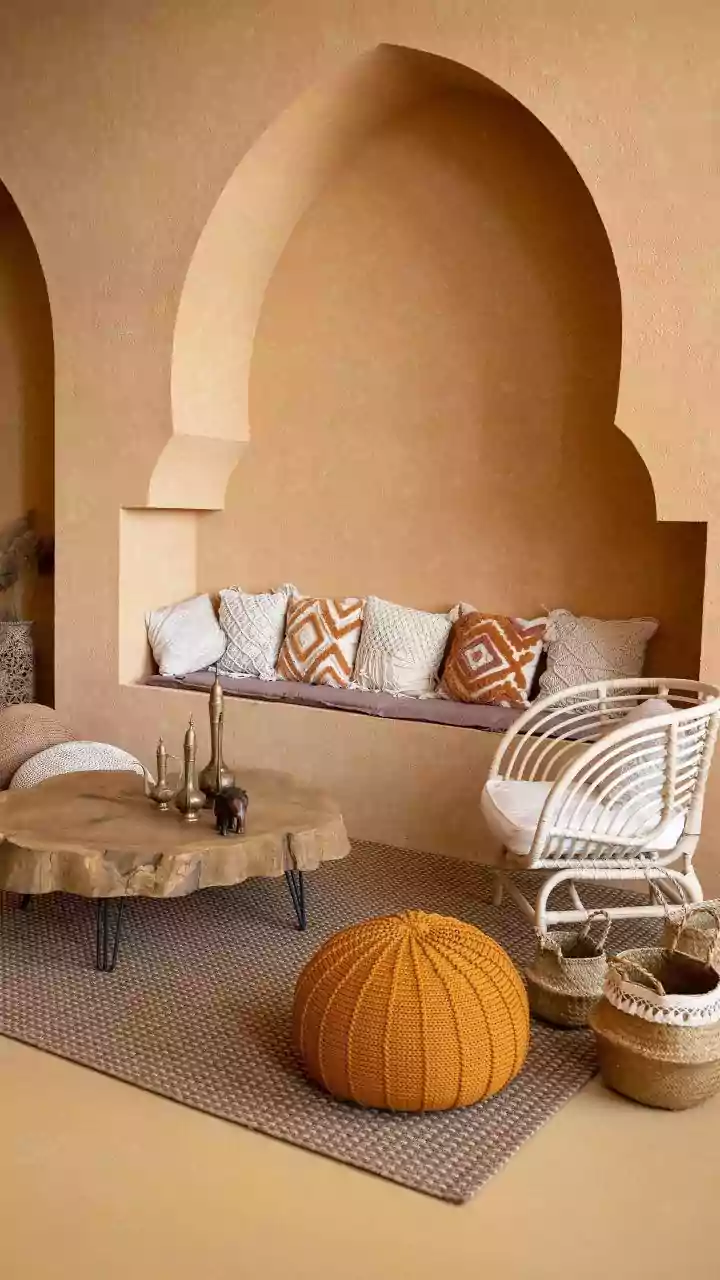
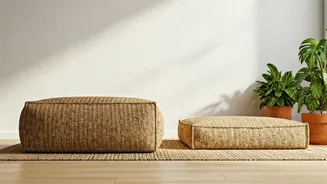
This is where jute comes in. As a natural fibre derived from the jute plant, it offers an immediate and tangible upgrade. The first thing you’ll notice is the texture. The thick, slightly coarse weave of a hand-woven jute mat brings an organic, earthy element indoors. This can be a powerful design tool in an apartment, where it provides a beautiful contrast to the clean lines of modern furniture and smooth surfaces like glass and metal. The natural, golden-brown hue acts as a versatile neutral, grounding your decor and making your other colourful accents pop. Unlike a perfectly uniform synthetic rug, a hand-woven jute mat has subtle variations in its weave, giving it a unique character that feels authentic and curated.
Durability That Defies Foot Traffic
Apartment life means high-traffic areas in a compact footprint. The path from the front door to the kitchen, the space around the sofa, the main hallway—these zones see constant use. Jute is exceptionally well-suited for this challenge. The plant's fibres are known for their strength and durability, which is why they have historically been used to make rope and burlap sacks. When woven into a mat, these tough fibres create a surface that can withstand daily wear and tear without crushing or flattening like many synthetic piles. This resilience makes jute a smart, long-term investment for renters and owners alike, ensuring your floor covering looks good for years, not just a few months.
A More Eco-Conscious Footprint
For those looking to make more sustainable choices at home, jute is a clear winner over petroleum-based synthetics. The jute plant is a fast-growing, rain-fed crop that requires minimal pesticides or fertilizers to thrive. It’s also one of the most efficient plants for carbon dioxide absorption. At the end of its life, a 100% jute rug is fully biodegradable, meaning it will naturally decompose rather than sitting in a landfill for centuries as a plastic-based product would. While any manufactured product has an environmental impact, including transportation, choosing a floor mat made from a renewable, plant-based resource is a significant step toward creating a greener, more conscious home.
The Practical Considerations Before You Buy
While jute has many benefits, it’s important to understand its nature to ensure it’s the right fit for your space. Jute’s natural fibres are highly absorbent, much like a sponge. This means it is not a suitable choice for damp environments like bathrooms, uncovered patios, or even spill-prone kitchen areas. When cleaning, it’s best to vacuum regularly without a beater bar (suction only) to minimise shedding, which is common with new jute rugs but lessens over time. If a spill occurs, you must blot it immediately with a dry, absorbent cloth. Water and cleaning solutions can stain the fibres, so dry cleaning or spot treatment with minimal moisture is recommended. By understanding its quirks, you can enjoy your jute mat for years.