






A Ritual in a Billion Cups
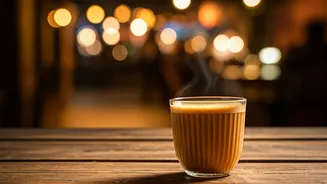
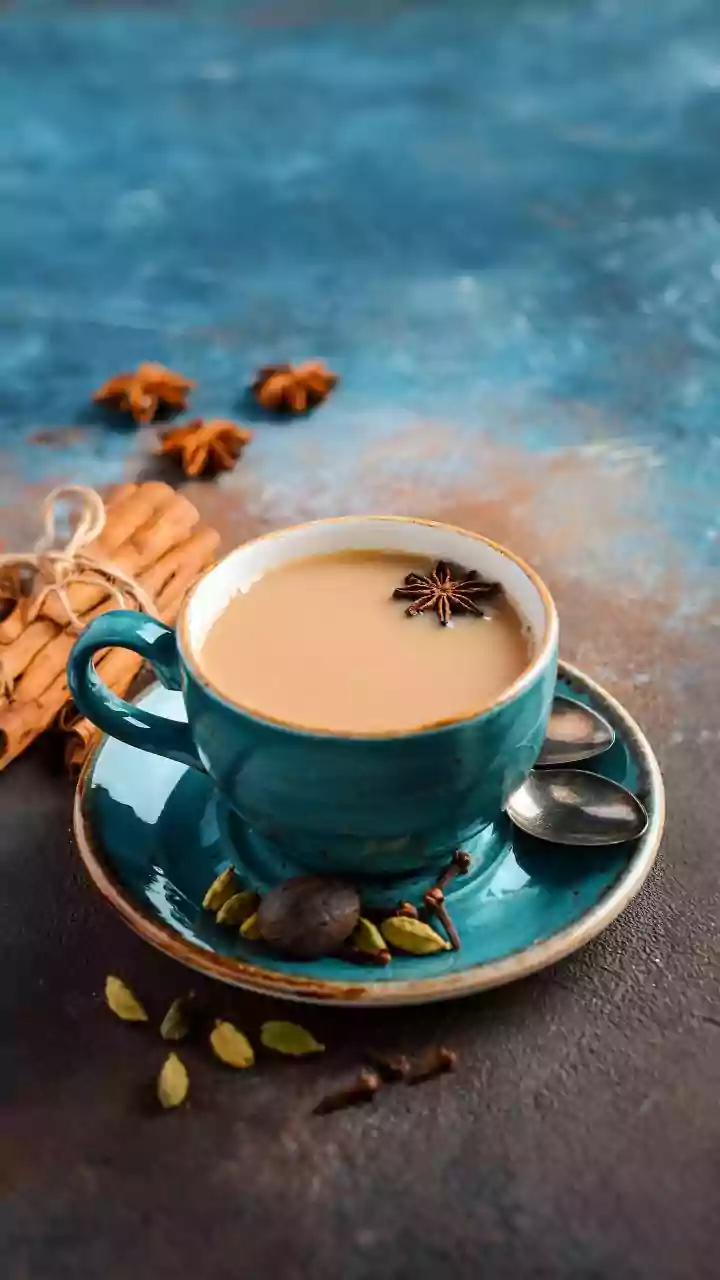
For hundreds of millions of Indians, the day doesn’t truly begin until the first sip of chai. It’s the gentle clinking of a steel pot on the stove, the fragrant aroma of ginger and cardamom infusing with milk and tea leaves. This isn’t just a beverage;
it’s a national ritual. From the bustling metropolis of Mumbai to the serene villages of Kerala, chai is the great unifier. It’s the 'cutting chai' shared with colleagues during a mid-day break, the welcoming gesture offered to any guest at home, and the comforting brew sipped during a monsoon downpour. Statistics bear this out: India is one of the world's largest consumers of tea, with consumption dwarfing that of any other beverage. It transcends class, region, and age, making it a truly democratic drink.
More Than Just a Drink
To understand why chai remains unbeaten, one must look beyond its ingredients. Chai is the lubricant for conversation. Countless business deals, political debates, and neighbourhood gossip sessions have unfolded over steaming cups served by a roadside 'chai wallah'. These humble stalls are the epicentres of community life, informal public squares where people connect. In the home, offering chai is the foremost expression of hospitality. It says, “You are welcome here. Stay a while.” This emotional and social significance is something a Frappuccino or a cold brew, however popular, has yet to replicate on such a massive, intrinsic scale. Chai is woven into the very syntax of Indian social interaction.
The Rise of a Worthy Rival
Of course, the reign of chai hasn't been entirely unchallenged. Over the past two decades, a sophisticated coffee culture has percolated through urban India. Gleaming cafes with Wi-Fi, comfortable seating, and an extensive menu of espressos, lattes, and cappuccinos have become the preferred 'third place' for students, freelancers, and young professionals. Chains like Starbucks and home-grown giants like Cafe Coffee Day, alongside a burgeoning scene of specialty roasters like Blue Tokai, have made coffee aspirational and trendy. They offer an experience—an air-conditioned haven for work or a cool spot for a first date. For a moment, it seemed this new wave might dethrone the king.
How the King Adapted Its Crown
But chai is not a relic; it's a living tradition that knows how to adapt. In response to the slick cafe experience, a new generation of 'chai cafes' has emerged. Brands like Chaayos and Chai Point have given the humble brew a modern makeover. They offer clean, contemporary spaces and a dizzying array of chai variations—from aam papad chai to godh jaggery chai—alongside traditional snacks. They’ve made chai 'cool' again for a younger, urban demographic. This evolution proves that the core product is strong enough to be repackaged for a new era. It can be the ten-rupee glass on the street or the 150-rupee artisanal blend in a cafe, satisfying every palate and pocket.
The Unbeatable Economics of Comfort
Ultimately, chai’s dominance is secured by its deep roots and unbeatable economics. It remains overwhelmingly affordable and accessible. For every one upscale coffee shop, there are thousands of chai stalls serving a satisfying brew for a fraction of the cost. This vast, decentralised network ensures chai is always just a few steps away. The emotional connection, built over generations, is its strongest defense. Coffee is a beverage you choose; chai is a beverage that’s part of who you are. It’s the taste of home, the comfort in a moment of stress, and the fuel for a nation that’s always on the move. The numbers don't lie, but it's the feeling that truly makes it unbeaten.