







Why Is Everyone Talking About Paws?
If it feels like discussions about your pet’s paws have gone from non-existent to everywhere, you’re not wrong. This new focus is part of a larger trend of pet humanization, where our furry friends are seen as integral family members deserving of detailed
wellness routines. The market has responded with an explosion of specialized products like paw washers, gentle wipes, and soothing balms. For many owners, it’s also a practical matter. Cleaning paws after a walk prevents dirt, allergens, and chemicals from being tracked into the home. Regular checks during cleaning can also help you spot minor issues like cuts or lodged debris before they become serious problems.
The Foundation: Basic Paw Health
Before you buy any special products, it’s important to understand the basics. Your pet's paw pads are tough, but they’re not invincible. They can be burned by hot pavement in the summer and chapped or cracked by ice and salt in the winter. Good paw care starts with simple, regular inspections. After walks, take a moment to check between the toes and pads for thorns, small stones, or bits of glass. Also, keep an eye out for any cuts, swelling, or signs of irritation. Long nails can affect your dog's gait and cause discomfort, so regular nail trims are a crucial part of paw health.
To Clean or Not to Clean?
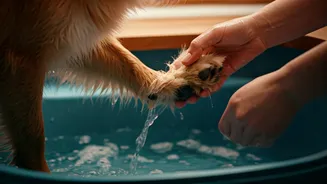
Veterinarians and groomers generally agree that cleaning paws after a walk is a good habit. It removes not just mud and dirt, but also potential irritants like pollen, pesticides, and de-icing chemicals that can be licked off and ingested or cause skin irritation. However, the intensity of cleaning depends on the situation. For a slightly dusty walk, a quick wipe with a damp cloth or a pet-safe wipe is often sufficient. If paws are truly muddy or have come into contact with road salt, a more thorough wash with lukewarm water and a bit of mild, dog-safe shampoo is recommended. Always dry the paws thoroughly afterwards to prevent moisture from getting trapped between the pads, which could lead to fungal infections.
A Guide to Paw Products: Wipes, Balms, and Washes
The sheer number of paw products can be overwhelming. Let’s clarify their uses. Pet Wipes are convenient for daily, on-the-go cleaning. They are great for removing surface dirt and allergens. Make sure to use wipes specifically formulated for pets, as human wipes can contain alcohol or fragrances that are irritating. Paw Balms are like moisturizers for paw pads. They can be incredibly helpful for preventing and soothing dry, cracked pads, especially in extreme hot or cold weather. They create a protective barrier against harsh elements. Paw Washers are cup-like devices with soft silicone bristles inside. You add water, insert your dog's paw, and twist. They can be very effective at removing stubborn mud, but a simple bowl of water or a handheld sprayer can often do the same job.
A Simple, Effective Paw Care Routine
You don't need a shelf full of products to keep your pet's paws healthy. A simple routine is best. First, make paw handling a positive experience from a young age with plenty of treats and praise. After each walk, do a quick visual check for debris or injuries. Wipe paws with a damp cloth or a pet-safe wipe for routine cleaning. For more significant dirt, wash with lukewarm water and a tiny amount of pet shampoo, then dry completely. Finally, in seasons with extreme temperatures, consider applying a thin layer of paw balm before a walk or before bed to keep pads moisturized and protected. Keeping the hair between paw pads trimmed can also help prevent matting and trapping debris.