






First, What is the Repo Rate?
Think of the repo rate as the interest rate at which the RBI lends money to commercial banks like SBI, HDFC Bank, or ICICI Bank. It's one of the central bank's most powerful tools for managing the country's money supply and controlling inflation. When
the RBI increases the repo rate, it becomes more expensive for banks to borrow money. To offset this, banks often pass on the higher cost to their customers, leading to changes in interest rates for both loans and deposits.
Why Did the RBI Increase Rates Now?
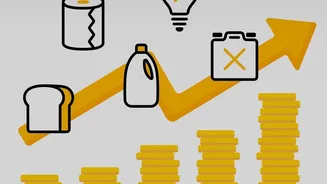
The primary driver behind this rate hike is the need to manage rising inflation. The RBI's monetary policy committee noted that price pressures have been building across the economy, driven by factors like high global crude oil prices and risks to food inflation. At the same time, the Indian economy has shown strong resilience, with GDP growth forecasts being revised upwards. This gives the RBI confidence that the economy can absorb a modest rate hike without derailing growth, making it a pre-emptive strike to keep inflation from becoming entrenched.
The Direct Impact: Your Loans Will Get Costlier
For anyone with a floating-rate loan, such as a home loan or auto loan linked to an external benchmark, this is the most immediate effect. As banks' borrowing costs go up, they will likely increase the interest rates on these loans. For a Rs 30 lakh home loan, a 0.25% (or 25 basis point) hike could increase your EMI by around Rs 490 per month. Depending on your lender, the adjustment might come as a higher EMI or an extended loan tenure, meaning you pay for a longer period. This makes borrowing more expensive and might slightly reduce loan eligibility for new borrowers.
The Silver Lining: A Boost for Savers
While borrowers face higher costs, the rate hike is good news for savers, particularly those who rely on Fixed Deposits (FDs). To attract more funds, banks are expected to gradually increase the interest rates they offer on new FDs. However, this change is not instant and won't affect your existing FDs until they mature. When you open a new FD or renew a maturing one, you will likely get a better interest rate than you would have before the hike. This makes it an opportune time for conservative investors to lock in higher returns.
How to Reset Your Savings and Investment Strategy
Given the new interest rate environment, a passive approach to your finances may not be enough. It's time for a reset. For savers, the strategy of 'laddering' FDs becomes very useful. This involves splitting your investment into multiple FDs with different maturity dates. This way, you can take advantage of rising rates as each deposit matures and gets renewed at a potentially higher rate. For borrowers, this is a good time to consider making small prepayments on your loans if possible, which can help offset the increased interest burden over the long term. Investors in debt mutual funds may want to review their portfolio, as rising rates can affect bond prices. Shorter-duration funds tend to be less sensitive to rate hikes. This shift marks a good time to re-evaluate your financial goals and ensure your strategy is aligned with the current economic reality.