



Navratri and Dussehra: A Nationwide Spectacle
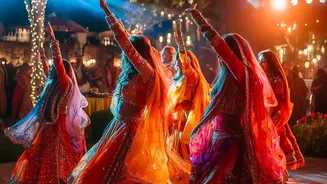
October 2026 kicks off with one of the country's most widespread celebrations: Navratri. The nine-night festival will be observed from October 11 to October 19, culminating in Dussehra (also known as Vijayadashami) on October 20. These dates are critical
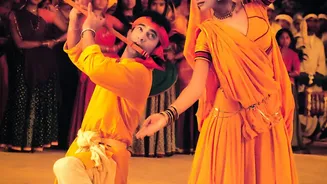
for travellers, as they trigger a massive movement of people across the country. In North India, Dussehra celebrations involve large processions and the burning of effigies, which can lead to local traffic diversions. In Gujarat, Navratri is synonymous with large-scale Garba and Dandiya Raas events, drawing huge crowds. Meanwhile, in South India, particularly Mysuru, Dasara is a grand affair featuring a spectacular royal procession that attracts tourists from around the world. Expect flights and trains to be heavily booked, especially on routes connecting major cities to hometowns, well in advance of these dates. Rental cars and local taxis will also be in high demand.
Durga Puja: Eastern India's Grandest Festival
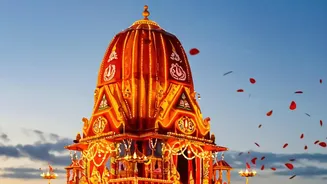
For those planning travel to West Bengal, Odisha, Assam, and other eastern states, Durga Puja is the single most important event to factor in. In 2026, the main festivities will run for five days, beginning with Maha Shashthi on October 16 and ending with Vijayadashami on October 21. Kolkata, the epicentre of the celebrations, transforms into a massive open-air art gallery with elaborate marquees (pandals) and stunning idols. This results in an overwhelming demand for travel to the city. Flights and trains into Kolkata are often sold out months ahead. Within the city, many roads are closed to traffic to allow for pandal hopping, making navigation challenging. If your travel plans involve Kolkata or other parts of West Bengal during this period, booking your accommodation and transport as early as possible is not just recommended—it's essential. The festive period sees a significant rise in travel as people return home to celebrate with family.
The Run-Up to Diwali: The Festival of Lights
While the main day of Diwali falls just after October, on November 8, 2026, its travel impact begins much earlier. Karwa Chauth, a significant festival in North India, falls on October 29, 2026, marking the start of the final celebratory push towards Diwali. From the last week of October, expect a surge in travel as people head to their hometowns for the biggest festival of the year. This pre-Diwali rush affects all modes of transport across the entire country, from major airports to railway stations and bus terminals. It is one of the busiest travel periods in India, comparable to the winter holidays in other parts of the world. Anyone planning to travel within India in late October should anticipate higher fares and packed services. Booking your tickets several months in advance is the best strategy to secure a seat and avoid last-minute price hikes.
Key Travel Tips for a Festive October
Navigating India during its festive peak requires planning, but it's well worth the effort. First and foremost, book all your long-distance travel—flights, trains, and even intercity buses—as soon as your itinerary is fixed. The demand during this period is exceptionally high. For local travel within cities, especially those with major celebrations like Kolkata, consider using the metro system to bypass road closures and traffic snarls. If you plan on visiting popular tourist destinations, be aware that they will be more crowded than usual. Finally, embrace the atmosphere. While the crowds can be daunting, the festive energy is infectious. Plan for delays, stay patient, and you'll get to witness India at its most vibrant and culturally rich. The post-monsoon weather in October is generally pleasant across most of the country, making it an ideal time for sightseeing if you plan around the festival rush.