
From Formal Parlour to Cosy Retreat
For years, many Indian living rooms were designed with a certain formality in mind, spaces intended more for receiving guests than for everyday relaxation. Sharp-edged sofa sets, high-gloss finishes, and a catalogue-perfect look were common. Today, however,
homeowners are moving away from this staged aesthetic towards interiors that feel more personal, tactile, and genuinely lived-in. The new priority is creating a space that feels emotionally inviting and serves as a calm retreat from the fast pace of modern life. This has led to a rejection of rigid geometry in favour of forms and materials that exude warmth and ease.
The Softer Side: Curves and Organic Shapes
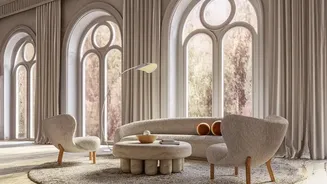
One of the most visible aspects of this new trend is the embrace of soft shapes. Boxy, straight-lined furniture is giving way to rounded silhouettes that change the entire feel of a room. We are seeing a rise in curved sofas that encourage conversation, pebble-shaped seating, and oval or circular coffee tables that improve flow and eliminate sharp corners. This is especially practical in compact urban apartments, where softer edges make movement feel more fluid. The trend extends to architecture as well, with arched doorways and rounded wall niches making a comeback, softening the very structure of the home to create a more relaxed and welcoming atmosphere.
A Palette of Natural, Earthy Materials
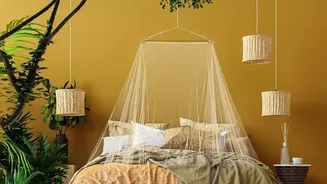
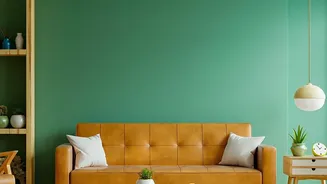
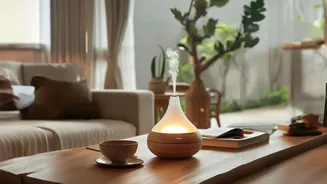
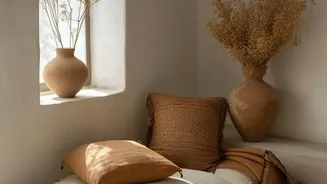
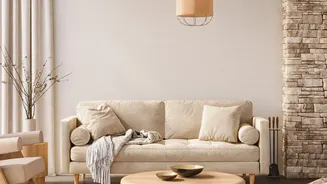
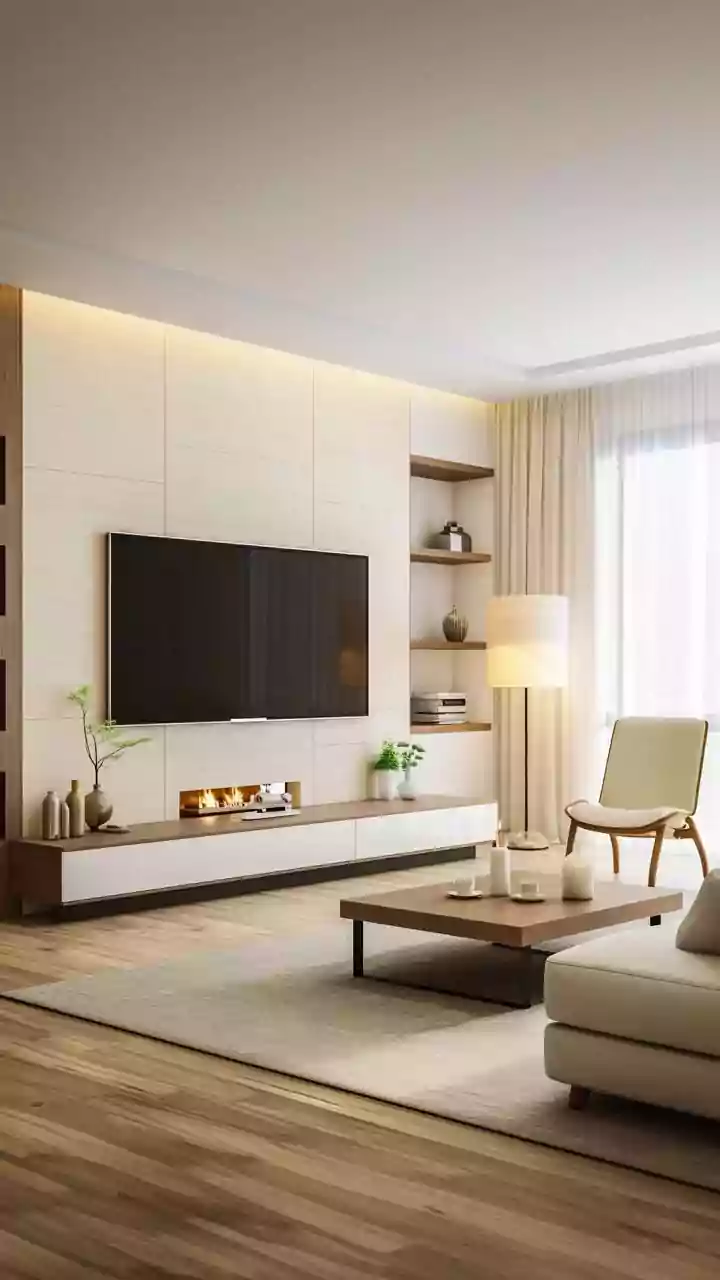
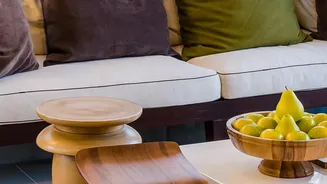
Complementing these softer shapes is a renewed love for natural materials. The cool grey and stark white palettes that once dominated are being replaced by warmer, earthy tones like beige, sand, terracotta, and olive green. Materials are chosen for their texture and authenticity. Solid woods like teak and sheesham are prized again for their durability and beautiful grain. These are paired with other natural fibres and textures, such as jute or wool rugs, linen and cotton textiles, and cane or rattan accents. Even stone and clay are being used to add a sense of grounding and authenticity, connecting the home to the natural world.
Global Influences with an Indian Soul
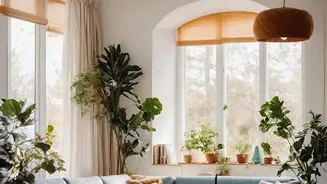
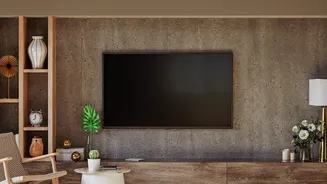
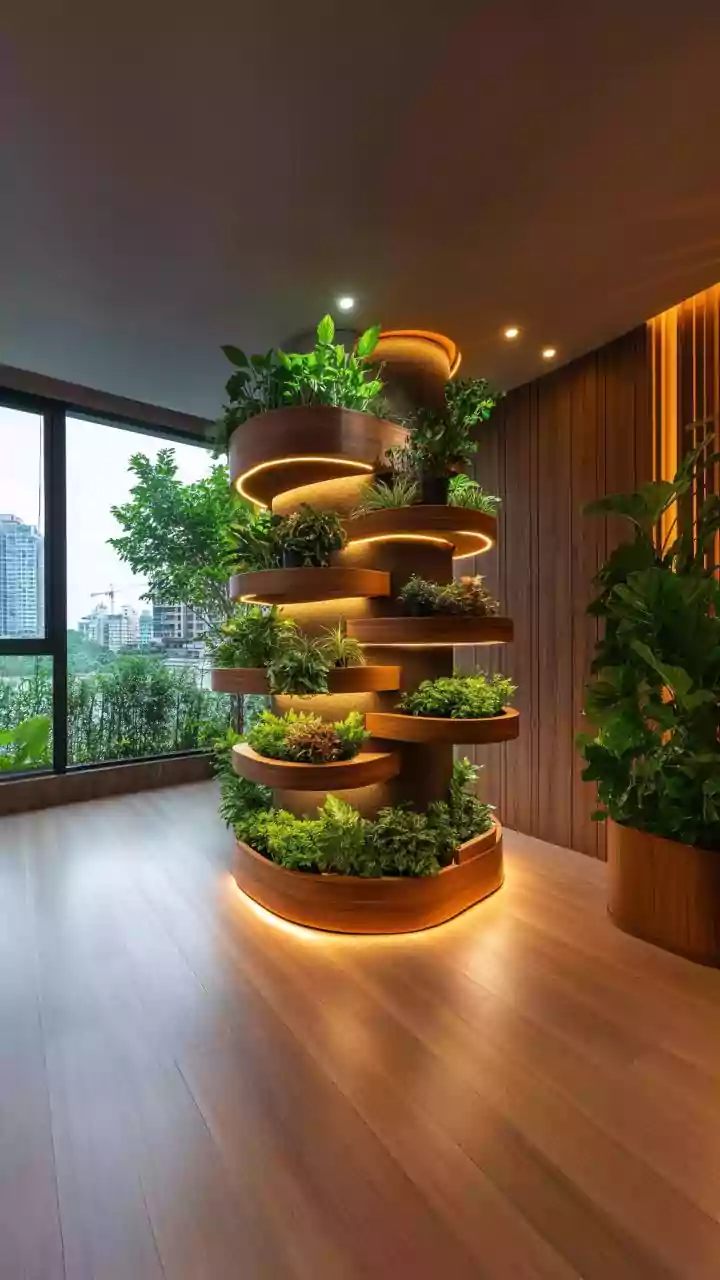
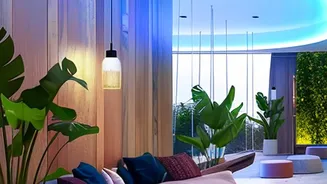
This design shift is influenced by global movements like biophilic design—which seeks to connect our interiors with nature—and Japandi, a hybrid of Japanese minimalism and Scandinavian warmth. Biophilic principles are seen in the increased use of indoor plants and large windows to maximise natural light. The Japandi philosophy champions clean lines, craftsmanship, and a calm, uncluttered feel, which aligns perfectly with this new desire for serene living spaces. However, these trends are not just being copied; they are being adapted with a distinct Indian sensibility. The warm minimalism is often paired with local handcrafted decor, traditional textiles, and brass accents, creating a fusion that feels both modern and deeply rooted.
How to Bring This Look into Your Home
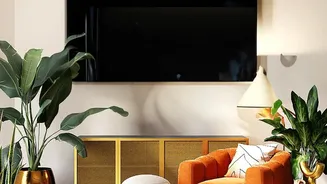
Adopting this warm, organic style doesn't require a complete overhaul. You can start small. Introduce curves with a round coffee table, a sculptural armchair, or even a mirror with a soft, irregular shape. Swap out synthetic fabrics for cushion covers and throws made from cotton, linen, or khadi to instantly add texture and warmth. Incorporate natural wood through a side table, shelving, or decorative objects. A few well-placed indoor plants in terracotta or ceramic pots can also bring a touch of nature indoors. The key is to layer these elements, focusing on materials that feel good to touch and colours that create a calming environment. Move away from matching sets and instead curate pieces that reflect your personal taste, creating a space that tells your own story.