




The Old-World Problem of Buying Blind
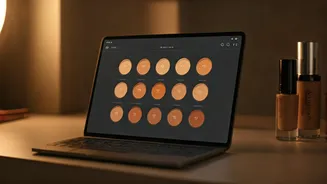
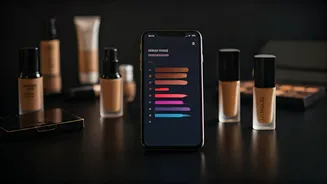
For decades, buying beauty products has been a high-stakes gamble. In-store testers are often unhygienic and poorly lit, while online shopping turns shade-matching into a guessing game based on filtered images and hopeful reviews. This is especially true
in a diverse market like India, where skin tones and undertones vary immensely. The result? A drawer full of expensive mistakes, high return rates for retailers, and a persistent feeling of dissatisfaction. Consumers have long craved a better way—a method to shop with confidence, knowing the product they see is the product that will actually work for them. This gap between expectation and reality has been the beauty industry's biggest challenge.
Enter the Virtual Mirror
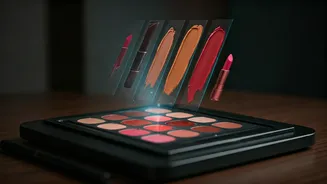
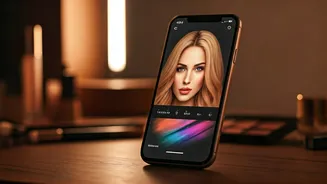
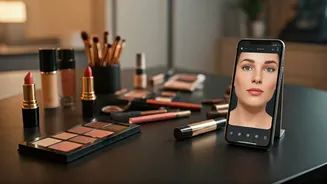
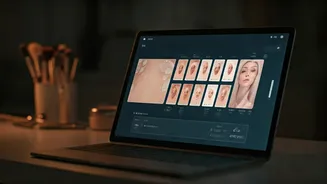
The most sought-after feature is no longer just a futuristic concept: it's AI-powered virtual try-on (VTO). Using augmented reality and advanced AI, VTO technology allows you to use your smartphone or webcam as a digital mirror. With a single tap, you can see how a lipstick shade, eyeshadow palette, or even a different hair colour looks on your face in real-time. Giants in the Indian e-commerce space, like Nykaa, have already partnered with tech leaders like L'Oréal to integrate VTO, recognizing its power to bridge the gap between online browsing and in-store experimenting. This technology isn't just a fun filter; it's a sophisticated tool that analyses your unique facial features to provide a realistic preview, effectively eliminating the guesswork from online beauty shopping.
More Than Just Makeup
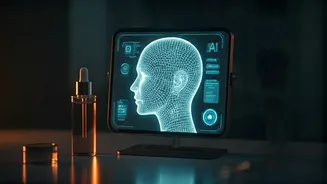
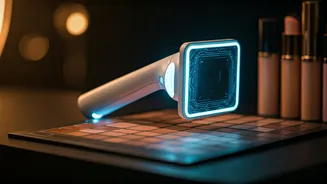
While VTO started with lipstick, its capabilities are expanding rapidly. The same AI that allows you to try on a new lip colour can now perform detailed skin diagnostics from a single selfie. These tools analyze your skin for concerns like acne, pigmentation, and hydration levels, and then recommend a tailored skincare routine. Some companies are even using AI to create customisable creams and personalised fragrances. This evolution marks a significant shift from simple product visualisation to a comprehensive, AI-driven consultation. It's moving from “beauty for all” to “beauty for each,” a concept championed by global players like L'Oréal, which uses AI to match its vast inventory to the unique needs of every individual shopper.
Why Brands and Shoppers Are All In
For consumers, the benefits are obvious: increased confidence, less decision fatigue, and fewer wasted products. In fact, studies show that a majority of consumers are more likely to buy makeup online if they can try it on virtually. For brands, the return on investment is just as compelling. VTO has been shown to increase user engagement by up to 200% and boost conversion rates significantly. More importantly, by allowing shoppers to make more accurate choices, it can reduce product returns by as much as 64%, a huge saving for e-commerce retailers. In India, ventures like Reliance's Tira are being built with AI at their core, aiming to deliver these highly personalised experiences from the ground up.
The Next Frontier: Hyper-Personalisation
The ultimate goal is hyper-personalisation. This goes beyond just trying on a product. The future of beauty AI involves creating a dynamic, two-way conversation between the shopper and the brand. Imagine an AI beauty assistant that not only recommends products but also considers your location's climate, pollution levels, and even your daily activities to adjust its suggestions. This intelligent system would act as a personal beauty advisor, helping you build routines and select products based on a deep understanding of your needs. As AI becomes more conversational and predictive, the shopping experience will become less about searching for products and more about receiving perfect, curated solutions.