




The Science of Easier Digestion
At its core, digestion is the process of breaking food down into usable nutrients. Cooking gives our bodies a significant head start. Heat begins to break down complex structures in food before they even reach our stomach. For example, it softens the tough
cellular walls of vegetables and denatures proteins in meat, essentially 'pre-digesting' them. This means your digestive system doesn't have to work as hard, which can reduce common discomforts like bloating, gas, and that heavy feeling after eating. Traditional systems like Ayurveda and Chinese medicine refer to this as supporting the 'digestive fire' or 'Agni'. The idea is that cold, raw foods can dampen this internal fire, forcing your body to expend extra energy just to warm the food to body temperature before digestion can even begin efficiently.
Unlocking Nutrients Through Heat
While it’s true that some heat-sensitive vitamins, like vitamin C, can be reduced during cooking, the process makes other nutrients more available for your body to absorb—a concept known as bioavailability. For instance, cooking carrots increases the availability of beta-carotene, and cooked tomatoes offer more lycopene than raw ones. Heat helps break down compounds like oxalates and other 'anti-nutrients' found in raw vegetables and legumes, which can otherwise bind to minerals and interfere with their absorption. By gently cooking foods, you relax the digestive tract, increase blood flow to the gut, and stimulate the secretion of digestive enzymes, all of which help your body get the maximum nutritional value from your meal.
Fostering a Balanced Gut Microbiome
The trillions of microbes living in your gut play a crucial role in everything from immunity to mood. What you eat directly influences the balance of this delicate ecosystem. While the science is still evolving, some research suggests that the form of our food—raw versus cooked—matters. Because cooked foods are more easily digested, there's less undigested food reaching the large intestine. This may prevent the overgrowth of less desirable bacteria that thrive on fermenting undigested scraps. A study in the journal Nature Microbiology found that mice and humans showed distinct shifts in their gut microbiomes when eating cooked versus raw plant-based foods. By easing the digestive burden, warm, cooked foods help create a stable environment where beneficial bacteria can flourish. Some studies even suggest a warm gut environment is more conducive to a healthy microbiome balance.
Ancient Wisdom Meets Modern Life
For thousands of years, traditional wellness systems have championed the benefits of warm foods. In Traditional Chinese Medicine (TCM), the digestive system (the Spleen and Stomach) is seen as a 'cooking pot' that thrives on warmth. Consuming warm, cooked meals is believed to support the body’s vital energy, or 'Qi', and blood circulation. Similarly, Ayurveda, the ancient Indian system of medicine, emphasizes warm, lightly spiced, and oiled foods to kindle the digestive fire and ensure nutrients are transported smoothly through the body's channels. These traditions aren't about rigid rules, but about listening to your body and providing it with nourishment that is easy to assimilate, especially during colder seasons or for those with sensitive digestion.
Bringing Warmth to Your Plate
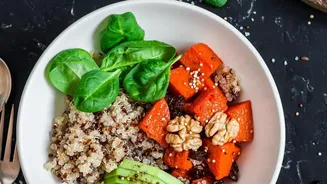
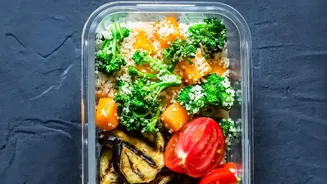
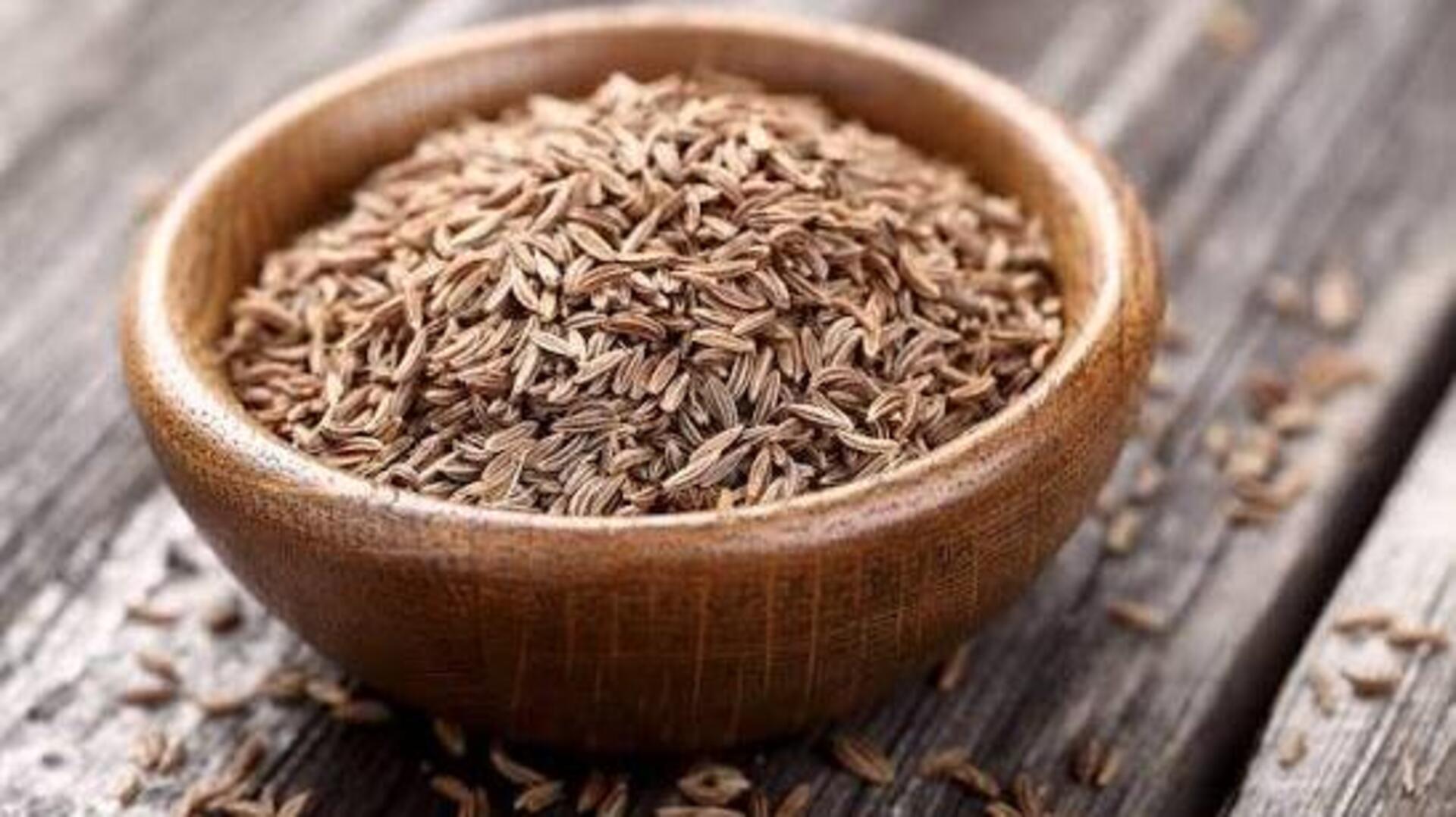
Incorporating these principles doesn't require a complete dietary overhaul. It can be as simple as choosing a bowl of oatmeal over a cold smoothie for breakfast, or opting for a nourishing soup or stir-fry instead of a large raw salad for lunch. Lightly steaming or sautéing vegetables can make them easier on your gut while retaining many of their nutrients. Adding warming spices like ginger, cumin, and turmeric not only adds flavour but can also support digestion. The goal is not to eliminate raw foods entirely—as they offer their own unique benefits—but to find a balance that leaves you feeling energized and comfortable. Pay attention to how you feel after meals; your body is often the best guide to what it needs.