

The Core Problem: A Costly Habit
For years, the electric vehicle revolution has been powered by lithium-ion batteries. They are energy-dense and have a proven track record. However, this reliance comes at a steep price. Lithium, along with other key materials like cobalt and nickel,
is expensive and its supply chain is fraught with geopolitical risks. A significant portion of these resources is controlled by a handful of countries, creating supply vulnerabilities and price volatility. For India, which imports most of its lithium-ion cells, this dependence is a major strategic and economic challenge, keeping EV prices stubbornly high and out of reach for many consumers. The battery alone can account for 40% to 60% of an EV's total cost, making any reduction in battery price a game-changer.
Enter Sodium-Ion: The Abundant Alternative
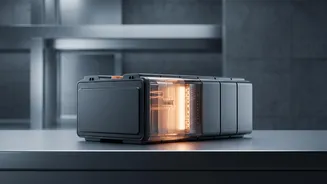
Sodium-ion batteries work on a similar principle to their lithium-ion counterparts, shuttling ions between a cathode and an anode to store and release energy. The crucial difference lies in the raw materials. Sodium is one of the most abundant elements on Earth, found readily in common salt. This abundance is the technology's primary advantage. It completely sidesteps the supply chain issues of lithium. Furthermore, sodium-ion batteries can use cheaper materials throughout their construction; for instance, they can use aluminium instead of more expensive copper for certain components, further driving down costs. Experts estimate that at scale, sodium-ion batteries could be 20-30% cheaper than the current lithium iron phosphate (LFP) batteries used in many EVs.
More Than Just Price: Safety and Stability
The benefits of sodium-ion technology extend beyond simple economics. These batteries are known to be safer and more stable. They have better thermal stability and can operate over a wider temperature range, from as low as -30°C to 60°C. This is a significant advantage in India's diverse climate. They are also less prone to thermal runaway, a dangerous process that can lead to fires in lithium-ion batteries. A key safety feature is their ability to be fully discharged to zero volts for transport without causing degradation, which is not possible with lithium-ion cells. This inherent safety and robustness make them particularly attractive for the Indian market.
Are There Any Downsides?
Sodium-ion technology is not without its trade-offs. The most significant challenge is lower energy density compared to lithium-ion batteries. This means that for the same weight, a sodium-ion battery stores less energy, which translates to a shorter range for an electric vehicle. While ongoing research is rapidly closing this gap, it currently makes them better suited for shorter-range applications like electric two-wheelers, three-wheelers, and commercial vehicles rather than long-range passenger cars. However, for a large segment of the Indian market focused on urban mobility, this may be a perfectly acceptable compromise, especially given the substantial cost savings and safety benefits.
India's Homegrown Push
Several Indian companies are making significant strides in developing and commercializing this technology, aligning with the 'Make in India' and 'Atmanirbhar Bharat' missions. Reliance Industries has acquired the UK-based sodium-ion technology leader Faradion and is fast-tracking its commercialisation, planning to use the technology in its giga-factory in Jamnagar. Pune-based KPIT Technologies has also developed its own proprietary sodium-ion technology, which boasts a long lifespan and fast charging capabilities. The company has partnered with Trentar Energy Solutions to set up a 3GWh manufacturing facility. Startups like Indi Energy are also innovating, developing sodium-ion cells from agricultural waste, creating a uniquely sustainable, circular economy approach.