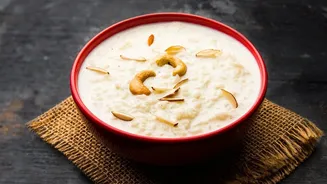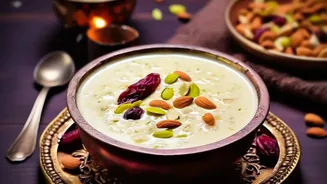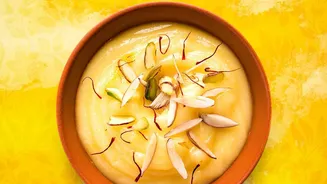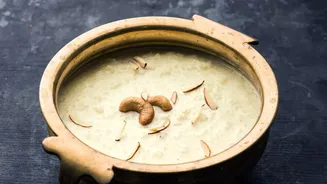






As Sitaphal season arrives, it brings the perfect opportunity to elevate a classic Indian dessert. This guide will show you how to transform the humble, creamy Phirni with the unique, fragrant sweetness of fresh custard apple.
A Tale of Two Classics
Phirni is a beloved North
Indian dessert, a creamy pudding traditionally made from ground rice, milk, and sugar, often associated with Mughal cuisine. It stands apart from its cousin, Kheer, because it uses ground rice instead of whole grains, resulting in a smoother, more delicate texture. When you introduce Sitaphal, or custard apple, into this mix, you create something truly special. The fruit's naturally sweet, almost tropical flavour pairs beautifully with the rich, milky base of the phirni, creating a dessert that is both refreshing and indulgent.
Gathering Your Ingredients
To create the perfect Sitaphal Phirni, you will need a few key ingredients. For the base, select a good quality long-grain rice like Basmati, which will be soaked and ground into a coarse paste. Full-fat milk is essential for achieving that signature rich and creamy consistency. You'll need sugar for sweetness, though the amount can be adjusted depending on the sweetness of your fruit. The star of the show is, of course, ripe Sitaphal. Finally, for flavour and garnish, have some cardamom powder, and sliced pistachios or almonds ready. Saffron is an optional but recommended addition for a lovely aroma and colour.
Prepping the Sitaphal Pulp
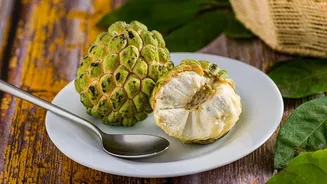
The most crucial—and often trickiest—part of this recipe is preparing the Sitaphal. The goal is to extract the sweet, white pulp while discarding all the black seeds. A popular and effective hack involves scooping the flesh from the fruit, placing it in a food chopper, and pulsing it for just a few seconds at a time. This action separates the pulp from the seeds without breaking the seeds themselves. You can then easily pick them out. Alternatively, you can press the pulp through a large-holed strainer or mash it gently with a potato masher in a wide bowl to separate the seeds. Keep the fresh pulp chilled until you're ready to use it.
Cooking the Phirni Base
First, prepare the rice. Soak about a quarter cup of basmati rice for at least 30 minutes. Drain it well and grind it with a little milk or water to form a smooth, grainy paste. In a heavy-bottomed pan, bring about a litre of full-fat milk to a boil. Once boiling, reduce the heat and slowly add the rice paste, stirring continuously to prevent any lumps from forming. Cook this mixture on low heat for 15-20 minutes, stirring frequently. You'll know it's ready when the rice is cooked and the milk has thickened considerably. Now, add sugar and continue to cook for another few minutes until it dissolves completely.
Bringing It All Together
Once the phirni base has thickened to your liking, turn off the heat and let it cool down slightly. It's important that the mixture is warm, not hot, when you add the fruit pulp, as adding it to boiling milk can cause it to curdle. Gently fold in your prepared Sitaphal pulp and a pinch of cardamom powder. Mix until everything is well combined. The phirni will continue to thicken as it cools.
Chilling and Serving
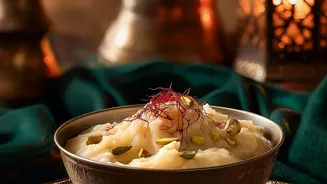
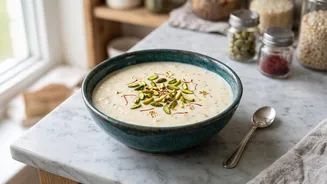
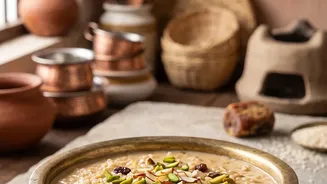
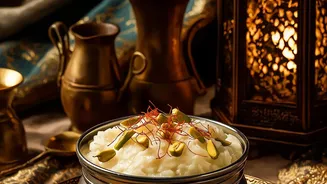
The final step is perhaps the most important for developing flavour and texture: chilling. Traditionally, phirni is poured into small, unglazed earthen bowls called 'shikoras' or 'matkas'. These clay pots absorb excess moisture, making the phirni even thicker and imparting a subtle, earthy aroma. Pour the warm phirni into your serving bowls, garnish with slivered pistachios and almonds, and let it chill in the refrigerator for at least four hours, or preferably overnight. The dessert is best served cold, when it has fully set into a thick, scoopable pudding.