


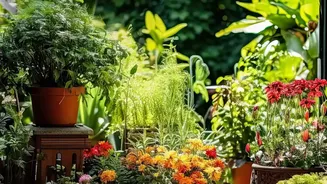
Start Small and Simple
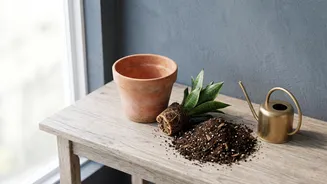
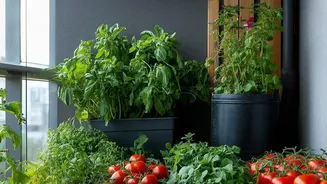
One of the biggest mistakes beginners make is trying to do too much at once. Instead of digging up a huge plot, start with a few pots on a balcony or a small, designated patch. Beginning with three to five easy-to-grow plants allows you to learn the basics
of care without feeling overwhelmed. This manageable approach builds confidence and helps you understand the rhythm of watering, sunlight patterns, and plant growth. Success with a few plants will naturally fuel your ambition to expand your garden later.
Location and Sunlight are Key
Before you buy a single seed, observe your space. Most vegetables and flowering plants need about five to six hours of direct sunlight each day to thrive. Find a spot on your balcony, terrace, or windowsill that gets consistent light. South-facing spots typically get strong sun, while west-facing areas receive intense afternoon heat, which might be too much for some delicate plants. Also, consider accessibility for watering and protection from strong winds that can damage young plants.
Prepare Your Foundation: Soil
Healthy soil is the foundation of a successful garden. Simply using soil from the ground might not be ideal as it can be too dense, lacking nutrients and proper drainage. For container gardening, a good quality potting mix is essential. You can buy pre-made mixes or create your own by combining garden soil, compost or vermicompost, and coco peat. This combination ensures the soil holds moisture without becoming waterlogged, provides essential nutrients, and allows roots to breathe.
Choose Beginner-Friendly Plants
Set yourself up for success by choosing plants that are known to be resilient and low-maintenance. For an Indian climate, herbs like tulsi, mint, and coriander are excellent choices. Vegetables such as spinach, cherry tomatoes, and beans are also relatively easy to grow for beginners. If you're interested in flowers, marigolds are famously hardy and add a wonderful splash of colour. Researching plants that are well-suited to your specific local climate will dramatically increase your chances of a bountiful harvest.
Master the Art of Watering
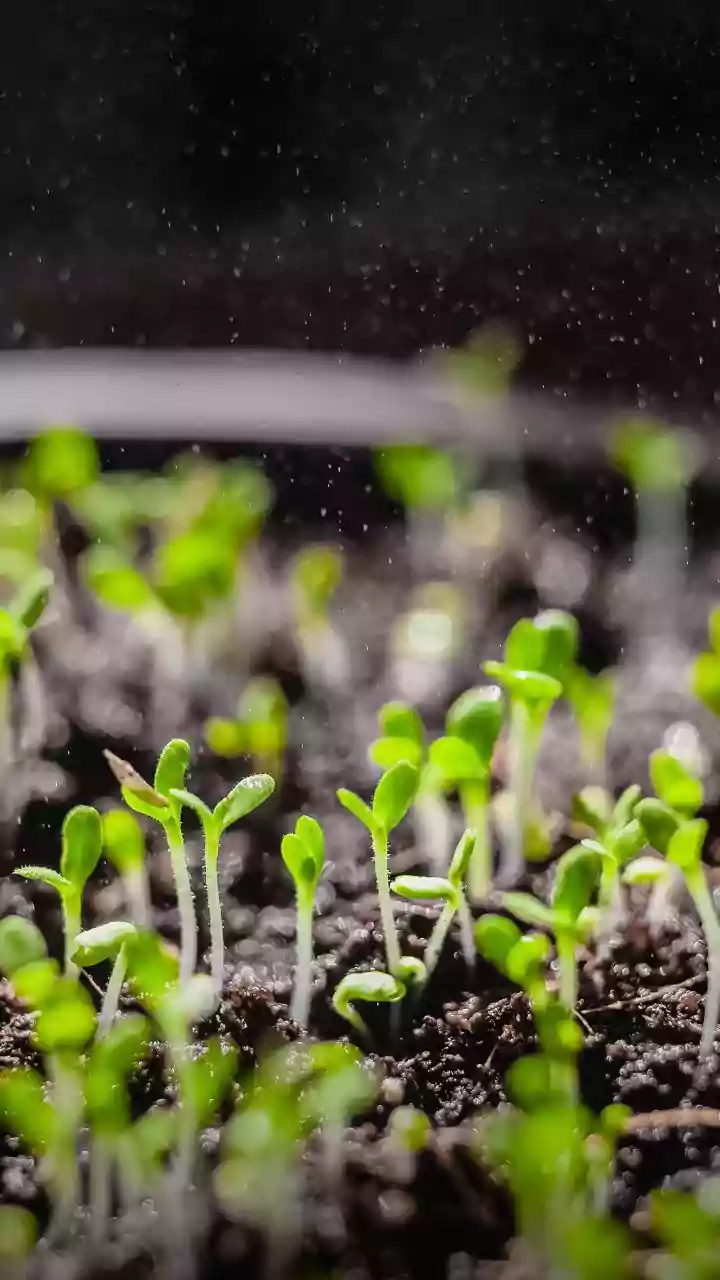
Overwatering is a common beginner mistake that can lead to root rot. Instead of watering on a rigid schedule, check the soil first. A simple trick is to stick your finger about an inch into the soil; if it feels dry, it's time to water. Water the base of the plant, directly onto the soil, rather than the leaves, which can help prevent fungal diseases. It's generally best to water in the early morning or evening to reduce evaporation.
Regular Upkeep and Care
A little regular maintenance goes a long way. Keep an eye out for weeds, as they compete with your plants for nutrients and water. Removing any dead or yellowing leaves helps the plant direct its energy toward new growth and can prevent the spread of disease. As your plants grow, you may need to provide them with additional nutrients. Adding a layer of compost to the topsoil every few weeks is a simple and effective way to feed them.