




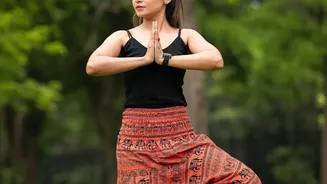
Finding balance is a universal goal, both on the yoga mat and in daily life. Tree Pose, or Vrikshasana, is a foundational yoga posture that teaches stillness, strength, and focus, helping you feel more grounded and centered.
Why Balance Matters
Practicing balance in yoga
does more than prevent wobbling; it builds a powerful connection between mind and body. These poses strengthen the stabilizing muscles in your feet, ankles, and legs, which can reduce the risk of injury in other activities. They also enhance proprioception—your body's awareness of its position in space. Mentally, the intense focus required for a pose like Tree Pose quiets the mind, improves concentration, and can help reduce stress. It’s a practice in finding calm amid the challenge, a skill that translates well beyond the mat.
Mastering the Foundation: Basic Tree Pose
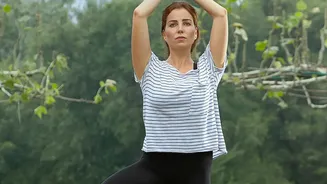
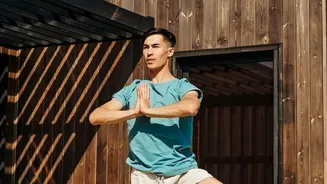
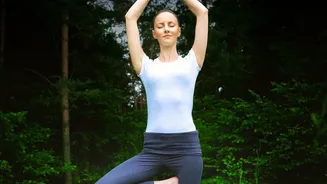
Before exploring variations, it's crucial to build a strong foundation. Start in Mountain Pose (Tadasana), standing tall with your weight distributed evenly across both feet. Shift your weight onto your left foot, grounding it firmly. Bend your right knee and place the sole of your right foot on your inner left ankle, calf, or thigh. Actively press the foot into the leg and the leg back into the foot to create stability. Bring your hands together at your heart or extend them overhead like branches. Fix your gaze (drishti) on a non-moving point in front of you to help maintain your balance. Hold for five to ten deep breaths before gently releasing and repeating on the other side.
Common Missteps to Avoid
Proper alignment is key to reaping the benefits and avoiding injury. The most common mistake is placing the foot directly on the side of the knee joint. This puts sideways pressure on a joint not designed for it and can cause strain. Always place your foot above or below the knee. Another frequent error is letting the hip of the bent-leg side hike up; try to keep your hips level and square to the front. Also, remember to engage your core to keep your spine long and prevent your back from arching. Finally, don't hold your breath. A steady, calm breath is essential for maintaining a steady balance.
Variation 1: Find Support at the Wall
If you're new to balance poses or just feeling unsteady, a wall is your best friend. Practicing with the support of a wall allows you to build confidence and focus on alignment without the fear of falling. Stand with your side or back to a wall, close enough that you can easily touch it with a hand or your hip for support. Set up your Tree Pose as usual, using the wall as much or as little as you need. This modification helps you find the correct muscle engagement and stability, creating a blueprint for when you practice in the center of the room.
Variation 2: Explore Arm Positions
Once your base is steady, changing your arm position is a simple way to alter the pose's focus and challenge. While hands at the heart is the classic expression, extending your arms overhead in a 'V' shape can feel more expansive and challenges your stability by raising your center of gravity. For a different sensation, you can extend your arms out to the sides in a 'T' shape, which can help with initial balancing. For an added challenge, you can introduce a gentle sway with the arms, like branches in the wind, which forces your core to work harder to maintain stability.
Variation 3: Half-Lotus Tree Pose
For those with more open hips who are ready for a deeper challenge, the Half-Lotus Tree Pose (Ardha Padmasana in Vrksasana) is a beautiful progression. From your basic Tree Pose, carefully draw your foot higher until you can place the top of the foot onto the opposite hip crease. This variation intensifies the hip-opening aspect of the pose and requires significant flexibility. It's an advanced variation, so approach it mindfully without forcing the foot into position. Ensure your standing leg remains strong and your hips stay level. This variation deeply stretches the groin and inner thighs while demanding even greater focus and balance.