








The Hidden Transport Multiplier
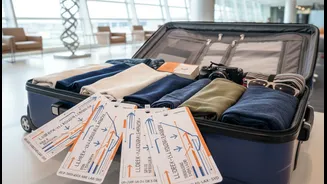
A micro-trip, typically lasting two to four days, is a fantastic way to explore without using up precious leave. You might visit a nearby hill station, a coastal town, or a neighbouring city. The problem isn't the cost of a single journey, but the frequency.
On a ten-day vacation, you might take a taxi from the airport to your hotel and back once. On three separate micro-trips, you pay for that same airport run three times. This is the 'transport multiplier' effect: costs that seem manageable on their own—airport transfers, intercity buses or trains, and local sightseeing cabs—are incurred repeatedly over a shorter period, putting significant pressure on your budget.
Breaking Down Your Transit Spending
To effectively manage these expenses, it helps to divide your transport budget into three key categories. First is 'major transit': the primary cost of getting to and from your destination, like flights, long-distance trains, or buses. Second is 'local transit': the costs of getting around once you've arrived, such as auto-rickshaws, local buses, ride-sharing apps, or renting a scooter. The third, and often forgotten, category is 'last-mile transit': the cost of getting from the bus station or airport to your hotel and back again. Each of these requires a different strategy to keep your overall spending in check.
Mastering Major Transit Costs
The key to saving on your main travel leg is planning. Booking trains and buses well in advance almost always secures a better price than waiting until the last minute. Consider overnight trains or buses; not only are they often cheaper, but they also save you the cost of one night's accommodation. For popular routes like Mumbai to Goa or Delhi to Jaipur, compare the total cost and time of different modes. A slightly more expensive train ticket might save you money on airport taxis, making it the more economical choice overall. Being flexible with your travel days by even a day or two can also lead to significant savings on fares.
Winning the Local Commute Game
Once at your destination, the temptation is to rely on convenient but expensive taxis or auto-rickshaws for every trip. This is where costs quickly spiral. Before you travel, research the local public transport system. Many tourist spots like Munnar and Darjeeling have efficient and cheap local bus services connecting key attractions. For shorter distances, walking is not only free but also the best way to discover hidden gems. In destinations like Goa or Hampi, renting a bicycle or scooter for the day is far more economical than taking multiple taxis. When choosing your accommodation, prioritising a location with good walkability or proximity to a transit hub can drastically cut your daily travel spend.
Don’t Forget the First and Last Mile
The journey from the airport or train station to your hotel can be surprisingly expensive, especially if you arrive late at night. Instead of immediately hailing a cab, check for pre-paid taxi counters or airport shuttle bus services, which often provide a more affordable and fixed-rate option. Ride-sharing apps also offer pooling services that can cut your fare significantly. For group travel, splitting the cost of a larger pre-booked vehicle is often cheaper per person than multiple smaller taxis. A little research before you leave home can help you find these options and avoid starting or ending your trip with an unexpectedly high transport bill.