



The Trouble with Refined Flour
For many of us, the aroma of freshly baked goods is pure comfort. The problem is that most conventional cakes, cookies, and breads are made with refined white flour, or maida. This flour has been stripped of its fibre and nutrients, leading to quick digestion
and a rapid spike in blood sugar levels. This can leave you feeling sluggish and hungry again soon after. Over time, a diet high in refined carbohydrates can contribute to a range of health concerns, which is why many health-conscious individuals are looking for smarter, more nutritious alternatives that don't compromise on taste.
Meet the Mighty Millets
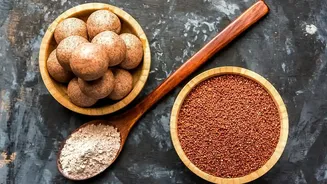
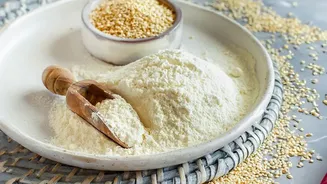
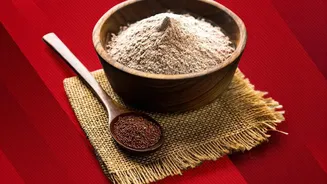
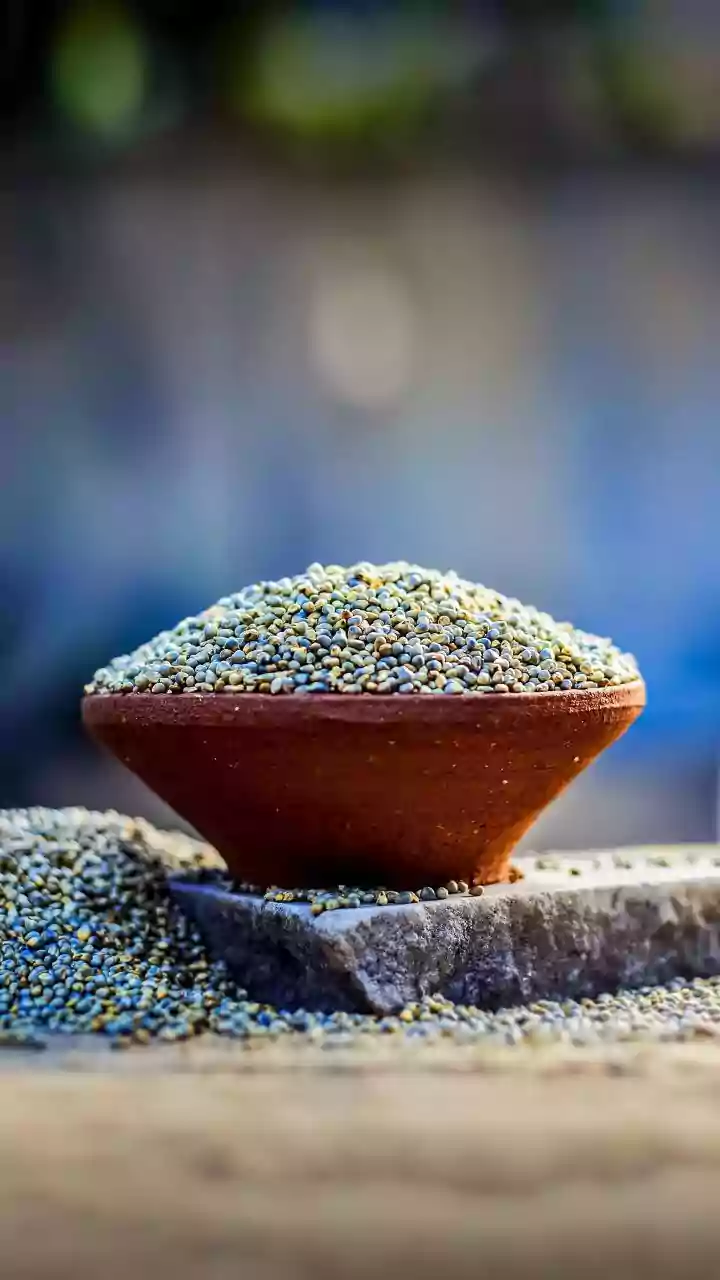
Millets are not a new fad; they are ancient grains that have been a staple in Indian cuisine for thousands of years. Known by local names like Ragi (finger millet), Bajra (pearl millet), and Jowar (sorghum), these hardy grains are making a huge comeback. When ground into flour, these millets offer a powerful substitute for refined wheat flour. They are naturally gluten-free and bring a diverse range of subtle, nutty, and earthy flavours to the table, transforming everyday baked goods into something special.
A Nutritional Upgrade
Swapping refined flour for millet flour is a significant nutritional upgrade. Millets are packed with dietary fibre, which aids digestion and promotes a feeling of fullness, helping to manage weight. They are also a great source of plant-based protein and essential minerals like magnesium, iron, and phosphorus. For those managing blood sugar, millets are a particularly smart choice. Most varieties have a lower glycemic index (GI) compared to refined wheat flour, meaning they release sugar into the bloodstream more slowly, preventing those sharp spikes and crashes.
The Deliciousness Factor
Let's be clear: healthy does not have to mean boring. Millet flours can add a wonderful complexity and texture to bakery treats. Ragi flour, for instance, lends a deep, chocolatey colour and rich flavour to cakes and brownies. Jowar flour has a mild taste that makes it a versatile base for savoury muffins and breads. Bajra flour offers a distinct, slightly nutty flavour that is perfect for creating crunchy, satisfying cookies and biscuits. Far from being a compromise, baking with millets is an opportunity to discover a new world of taste and texture.
Your Millet Bakery Guide
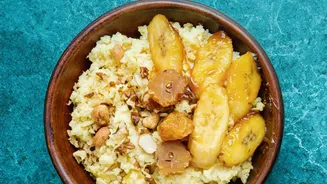
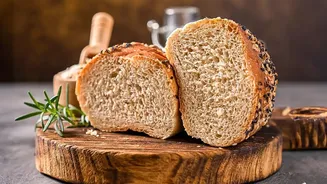
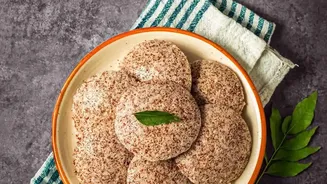
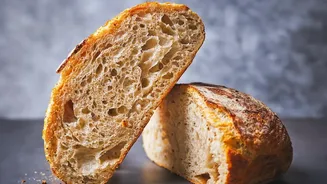
Imagine biting into a soft, moist chocolate cake made with ragi, or a rustic, flavourful bread made from a jowar blend. These aren't just hypotheticals; they are delicious realities. You can find recipes for everything from millet flour pancakes and banana bread to pizza crusts. Think about Bajra-almond cookies that are perfectly crunchy, or fluffy savoury muffins that are ideal for a quick breakfast. The key is to embrace the unique properties of each flour, which can create baked goods that are often more interesting and flavourful than their refined-flour counterparts.
Tips for the Home Baker
Ready to start experimenting? Because millet flours are gluten-free, they behave differently than wheat flour. A great way to begin is by not going for a 100% substitution right away. Try replacing 25-30% of the maida or atta in your favourite cookie or cake recipe with a millet flour. You'll notice that millet flours can absorb more moisture, so you might need to adjust the liquid in your recipe slightly. Often, blending different flours (like millet with almond flour or a gluten-free all-purpose blend) yields the best texture, creating a tender and light final product.