



Why Heritage Is the New Hotspot
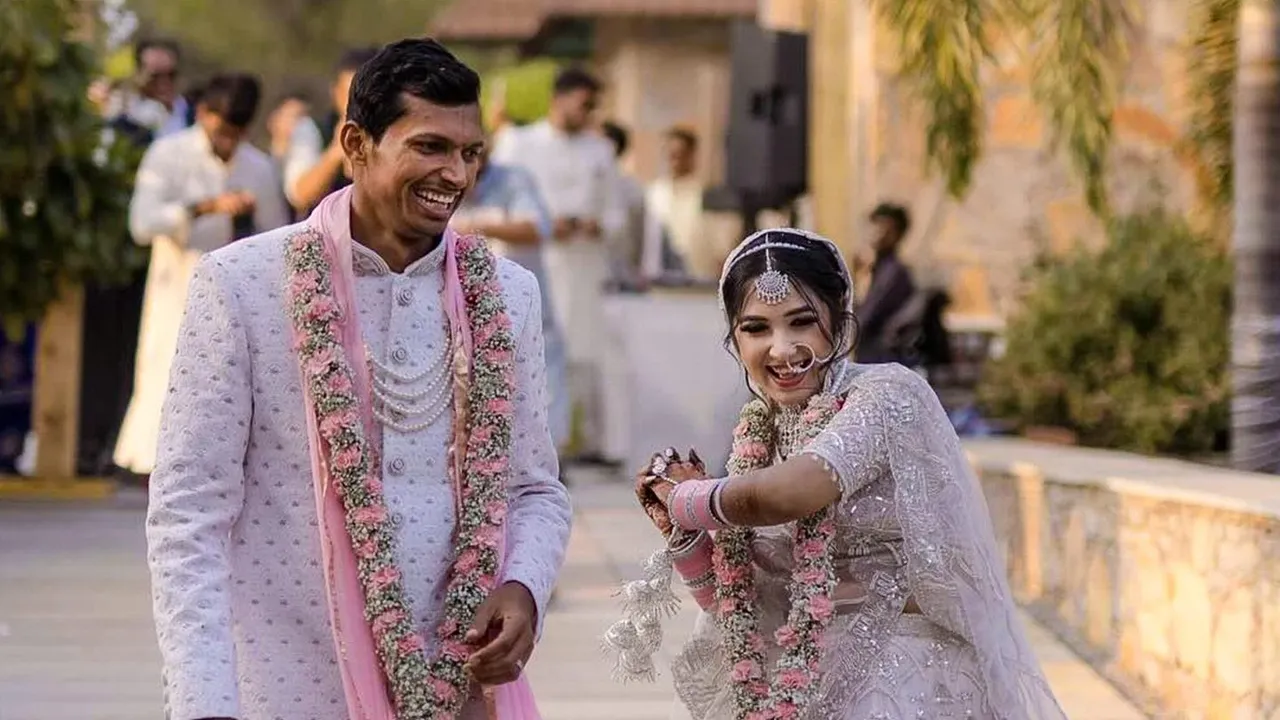
The allure of a destination wedding has shifted from foreign shores to the rich tapestry of India's own history. Several factors are driving this trend. For one, the logistics are simpler and often more cost-effective than planning an international event.
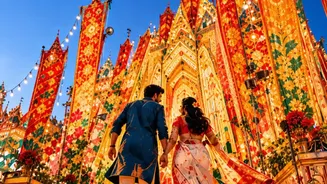
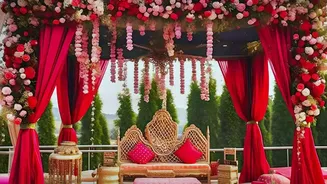
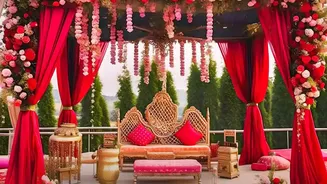
A wedding in Rajasthan, for instance, can offer a grander scale for a fraction of the cost of a comparable event in Europe or the US. Beyond the budget, there is a growing desire for a wedding that feels both unique and culturally rooted. These historic venues offer a stunning, ready-made backdrop that requires minimal extra decoration to look spectacular. The grandeur of a bygone era provides a cinematic quality that is perfect for social media, turning a wedding into a multi-day, immersive experience for guests rather than just a single-day function.
The Royal Affair: Palaces of Rajasthan
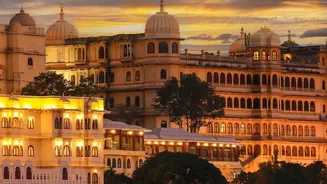
When one thinks of a royal Indian wedding, the mind immediately travels to Rajasthan. Cities like Udaipur, Jaipur, and Jodhpur are the epicentre of this trend. Udaipur, the 'City of Lakes', is famed for its ethereal lake palaces that seem to float on water, such as the iconic Lake Palace and Jagmandir. These venues make for an incredibly romantic setting, with guests often arriving by boat. Jaipur, the 'Pink City', offers a wide variety of forts and havelis that provide a regal atmosphere, often at a more accessible price point than Udaipur. Jodhpur, the 'Blue City', is dominated by the imposing Mehrangarh Fort and the magnificent Umaid Bhawan Palace, which offer dramatic, golden-hued sandstone backdrops. The state has a well-established wedding industry, with experienced planners and vendors capable of orchestrating large-scale events.
Beyond the Palace: Forts and Havelis
While grand palaces get much of the attention, a growing number of couples are opting for the unique charm of restored forts and havelis. Warrior forts, like Alila Fort Bishangarh near Jaipur, offer a rugged, dramatic setting perched atop hills with panoramic views. These venues provide a sense of history and adventure. Havelis, which are traditional townhouses or mansions built around a courtyard, offer a more intimate and personal setting. Found in cities like Jodhpur, Jaipur, and the Shekhawati region, these venues are often adorned with intricate frescoes and architecture, creating a historic and personal atmosphere perfect for smaller, more detailed celebrations.
Coastal and Colonial Charm
The heritage wedding trend isn't confined to Rajasthan. In Goa, the draw is the unique blend of Indian and Portuguese culture. Colonial-era architecture and a relaxed, seaside vibe offer a different kind of historical setting. For those seeking tranquility, the backwaters of Kerala present another stunning option. Here, traditional homes and serene resorts provide a lush, green backdrop for intimate weddings. This option is particularly well-suited for smaller guest lists, offering a feeling of a quiet retreat. Emerging trends also include weddings in the colonial-era tea estates and bungalows of hill stations like Shimla or Darjeeling, which offer a nostalgic charm amidst mountain scenery.
What to Consider Before Booking
While the idea of a heritage wedding is romantic, there are practicalities to consider. These venues, being historic properties, often come with strict rules regarding decorations, music, and the use of fire for rituals. Guest capacity can also be a constraint, particularly in smaller havelis or boutique properties. Accommodation for a large number of guests might require booking nearby hotels, adding a layer of transport logistics. The peak wedding season, typically from October to March, sees high demand and prices, so booking well in advance is crucial. A realistic budget for a destination wedding in a heritage property can range from ₹40 lakh for an intimate affair to several crores for a full palace buyout with a large guest list.