




Munnar, Kerala: The Emerald Tea Gardens
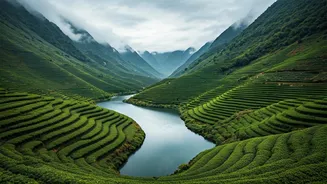
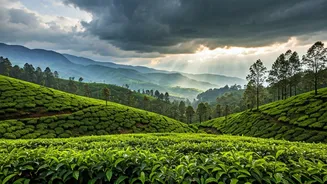
Imagine rolling hills blanketed in a thousand shades of green, with mist weaving through endless rows of tea plants. This is Munnar during the monsoon. Located in the Western Ghats of southern India, this hill station sheds the tourist crowds of peak
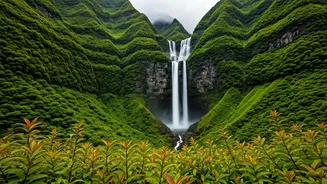
season and settles into a tranquil, romantic mood. The rain washes the landscape clean, leaving the tea gardens looking impossibly vibrant. Waterfalls that are mere trickles in the dry season, like Attukal and Lakkam, become thunderous cascades. It’s the perfect setting for cozying up in a boutique hotel with a cup of freshly brewed local tea, venturing out for misty walks, and experiencing the quiet, restorative power of the rains in what’s lovingly called “God’s Own Country.”
Udaipur, Rajasthan: The City of Lakes Reborn
Rajasthan is famous for its desert landscapes, but the monsoon tells a different story in Udaipur. Known as the “Venice of the East,” this city of lakes and palaces comes alive when the rains arrive. The Aravalli hills surrounding the city shed their brown, arid coat for a verdant green, and the lakes, including the iconic Lake Pichola, fill to the brim. The majestic City Palace and Lake Palace appear to float on shimmering water, their white marble gleaming under cloudy skies. The weather is cooler, the air is cleaner, and the experience is far more intimate without the scorching heat and peak-season throngs. A boat ride on a full lake, with palaces reflected on the water, is an unforgettable experience.
Coorg, Karnataka: The Scotland of India
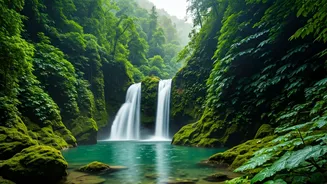
Nestled in the hills of Karnataka, Coorg (or Kodagu) is a land of coffee plantations, spice gardens, and martial traditions. During the monsoon, it becomes a haven for nature lovers. The region receives heavy rainfall, which feeds its dense forests and spectacular waterfalls. Abbey Falls and Iruppu Falls, in particular, are at their most powerful and breathtaking between June and September. The landscape is ideal for moderate treks, though be prepared for muddy trails and leeches. The reward is unparalleled greenery and the intoxicating scent of wet earth, coffee blossoms, and cardamom. It’s an adventurer’s escape, offering a raw, unfiltered connection to nature.
Valley of Flowers, Uttarakhand: A Himalayan Bloom
This is a truly special one, as its beauty is exclusive to the monsoon. A UNESCO World Heritage Site, the Valley of Flowers is a high-altitude Himalayan valley that lies dormant under snow for most of the year. When the monsoon rains arrive, the entire valley explodes into a carpet of over 300 species of alpine flowers, creating a surreal and vibrant landscape against a backdrop of snow-capped peaks. Access requires a multi-day trek, making it a destination for the more intrepid traveler. But for those willing to make the journey, it’s a once-in-a-lifetime sight, a floral paradise that exists only for a few short months.
Meghalaya: Embrace the Rain
Instead of escaping the rain, why not go to the heart of it? The state of Meghalaya in Northeast India is home to Cherrapunji and Mawsynram, two of the wettest places on Earth. This isn’t about hiding from showers; it’s about witnessing their power and beauty. The monsoon here creates a world of dramatic, low-hanging clouds, roaring waterfalls, and otherworldly living root bridges. These ingenious bridges, formed by training the roots of rubber trees across rivers, become even more mystical in the rain. It’s a place to experience the monsoon in its most extreme and magnificent form, proving that the season isn’t something to be endured, but celebrated.