





A Coastline at a Crossroads
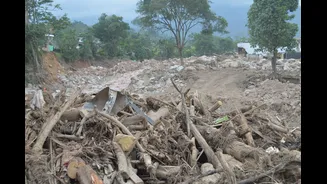
India’s vast 7,500-kilometre coastline is a critical economic engine and home to over 250 million people. It is also on the front lines of climate change, facing more frequent and intense cyclones, rising sea levels, and coastal erosion. These events,
while tragic, serve as a harsh audit of our current tourism model. The familiar sight of damaged beachfront hotels and infrastructure-dependent businesses highlights the fragility of mass tourism, which often prioritizes high visitor numbers over long-term resilience. This model strains local resources like water, creates waste management problems, and can displace local communities and their livelihoods. When a disaster strikes, it wipes out the very infrastructure it relies on, creating an economic vacuum. But this moment of pause also creates a powerful incentive to ask: must we rebuild the same vulnerable system, or can we pivot to something more durable and meaningful?
What 'Responsible Tourism' Really Means
The term “responsible tourism” is more than just a buzzword for eco-friendly travel. At its core, it's about making “better places for people to live in and better places for people to visit.” This philosophy, outlined in the 2002 Cape Town Declaration, rests on the idea of shared accountability among governments, businesses, locals, and tourists themselves. It involves tourism that is not only environmentally sustainable but also economically and socially beneficial to the host communities. This means minimising negative impacts, generating genuine economic benefits for local people, and respecting the cultural and natural heritage of a destination. Instead of a model where tourist dollars leak out of the local economy, responsible tourism aims to keep revenue within the community, supporting everything from homestays and local guides to artisans and small-scale farmers.
Building Back Better: From Concrete to Community
So what does this look like in practice? It means moving away from a one-size-fits-all approach of large hotels and towards a more diverse, community-integrated model. Think of experience-based tourism, where travellers engage with the local way of life—learning about low-carbon living from indigenous communities or participating in mangrove safaris that directly support local livelihoods. This approach is gaining traction in places like the Konkan coast, where the unique culture and cuisine become the main attraction, rather than forcing locals to adopt urban amenities for tourists. After a disaster, rebuilding efforts can prioritize community-led initiatives, such as homestays made with local, sustainable materials. This not only fosters resilience but transforms the tourism experience from a passive holiday into an active exchange, creating authentic connections between visitors and hosts. It's about regenerative tourism—leaving a place better than you found it.
A Blueprint for a Sustainable Future
India has already taken steps in this direction. The country’s Blue Flag programme, which certifies beaches based on 33 stringent criteria including water quality, safety, and environmental management, is a prime example of good coastal governance. With 13 beaches currently certified, the program provides a clear framework for upgrading coastal destinations to international standards of sustainability and boosts India’s image as a responsible tourism destination. These initiatives show that a balance between economic growth and conservation is achievable. The key is integrating tourism into a broader vision of coastal management that protects fragile ecosystems like mangroves and coral reefs, which in turn protect communities from storms and support the very biodiversity that attracts tourists.
The Power of the Conscious Traveller
Ultimately, the shift towards responsible tourism isn't just up to governments and businesses; it's powered by travellers. Every decision you make—from the accommodation you choose to the souvenirs you buy—sends a market signal. By choosing community-run homestays over large resorts, you ensure your money directly supports local families. By hiring local guides, you gain authentic insights while contributing to the local economy. Simple acts like carrying a reusable water bottle to reduce plastic waste, respecting local customs, and paying a fair price for goods and services all contribute to a more positive impact. Asking questions before you book—How does this hotel manage its waste? Does this tour operator employ local people? How are they giving back to the community?—empowers you to be part of the solution.