




1. The Hallyu Wave Effect
You can't talk about K-beauty without talking about the Hallyu, or Korean Wave. The global explosion of K-pop bands like BTS and Blackpink, along with the binge-worthy appeal of K-dramas on platforms like Netflix, has created a powerful cultural bridge.
Indian audiences didn't just fall for the storylines and music; they fell for the stars. And when you admire a celebrity, you often want to know their secrets. The flawless, glowing skin of Korean actors and idols became an aspirational goal, making them the most effective, unofficial ambassadors for their country's beauty industry. Fans wanted to know what products their favourite stars used, creating a ready-made, highly engaged market for brands to tap into.
2. Products That Focus on Skincare, Not Just Makeup
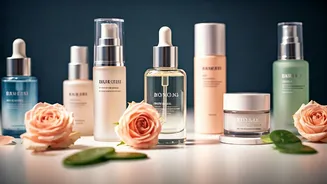
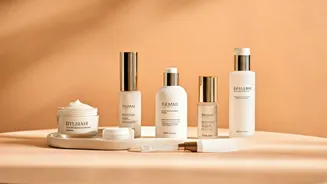
For years, the Indian beauty market was heavily dominated by makeup and fairness creams. K-beauty disrupted this by shifting the focus from covering up imperfections to achieving healthy skin from within. The philosophy is about prevention and nourishment, not just cure. Concepts like the famous 10-step skincare routine introduced Indian consumers to a more ritualistic, self-care approach to beauty. Products like essences, ampoules, and serums, once niche, became mainstream. This resonated with a growing segment of consumers who were tired of heavy makeup and wanted to invest in long-term skin health, a concept that aligns well with traditional Indian wellness philosophies.
3. Innovation You Can See and Feel
Snail mucin, bee venom, fermented rice water, and propolis—these are not ingredients you’d typically find in a Western beauty product. K-beauty brands are masters of innovation, constantly researching new, effective ingredients and creating unique product textures. They made skincare fun and exciting. Sheet masks, for instance, went from a novelty item to a weekly ritual for millions of Indians. The appeal lies in both the efficacy and the experience. The promise of “glass skin”—a term for a complexion so dewy and clear it looks like glass—was a powerful marketing tool backed by products that delivered visible results, particularly in terms of hydration and glow.
4. The E-commerce Boom and Accessibility
A decade ago, getting your hands on authentic Korean beauty products in India was a challenge, involving international shipping and hefty customs fees. The rise of home-grown beauty e-commerce giants like Nykaa, and the expansion of Amazon’s beauty vertical, changed everything. These platforms not only made brands like The Face Shop, Innisfree, and Cosrx easily available but also educated consumers through tutorials, reviews, and curated edits. They created a trusted ecosystem where people could discover, learn about, and purchase products with just a few clicks, effectively democratizing access to global beauty trends.
5. A Surprising Synergy with Indian Skin
A common misconception is that beauty products are one-size-fits-all. A key reason for K-beauty’s success in India is that many of its core principles address common Indian skin concerns. The emphasis on hydration, brightening (not to be confused with whitening), and sun protection is highly relevant for a population living in a tropical climate. Unlike many heavy Western creams, K-beauty products often feature lightweight, layerable textures that don't feel greasy in the heat and humidity. The focus is on achieving a clear, even-toned, and luminous complexion, which aligns more closely with Indian beauty ideals than the matte or heavily bronzed looks often promoted by Western brands.
6. Instagram-Worthy Aesthetics and Smart Marketing
K-beauty products don't just work well; they look good on your shelf. Brands invest heavily in minimalist, cute, and highly 'Instagrammable' packaging. A face mask shaped like a panda or a lip tint housed in a wine bottle creates instant social media buzz. Indian beauty influencers were quick to embrace this, unboxing products and showcasing multi-step routines to their followers. This digital-first marketing strategy, which relies on authentic-seeming peer recommendations rather than just celebrity endorsements, proved incredibly effective in reaching millennial and Gen Z consumers who trust influencers as much as, if not more than, traditional advertising.