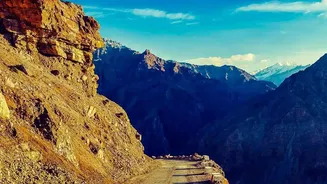


Understanding Autumn Conditions
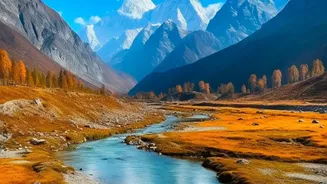
September and October are often considered the best months for a Spiti road trip. The monsoon has passed, leaving behind stable roads and stunningly clear views. However, autumn is a season of transition. While days can be pleasant, night-time temperatures
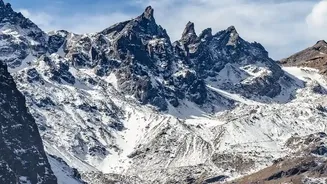
drop sharply, often falling below freezing. This creates a significant risk of black ice, a transparent layer of frozen water on the road that is nearly invisible and extremely dangerous. This hazard is most common in the early mornings or in shaded sections of the road. Furthermore, as October progresses, the chance of early snowfall on high passes like Kunzum La increases, which can lead to sudden road closures. Services like smaller guesthouses and eateries may also begin to close for the winter.
Your Health: The Acclimatisation Rule
High altitude is the single biggest health concern in Spiti. Acute Mountain Sickness (AMS) is a common condition caused by ascending too quickly, and it has nothing to do with physical fitness; it can affect anyone. Symptoms include persistent headaches, nausea, dizziness, and fatigue. To prevent it, the golden rule is to acclimatise gradually. The route from Shimla to Kaza is highly recommended for first-timers as it involves a slower, more gradual ascent compared to the Manali-Kaza route. Plan to spend at least one night at a mid-altitude location like Kalpa or Nako before proceeding higher. Stay well-hydrated by drinking plenty of water, avoid alcohol, and don't over-exert yourself in the first few days.
Vehicle Preparation is Non-Negotiable
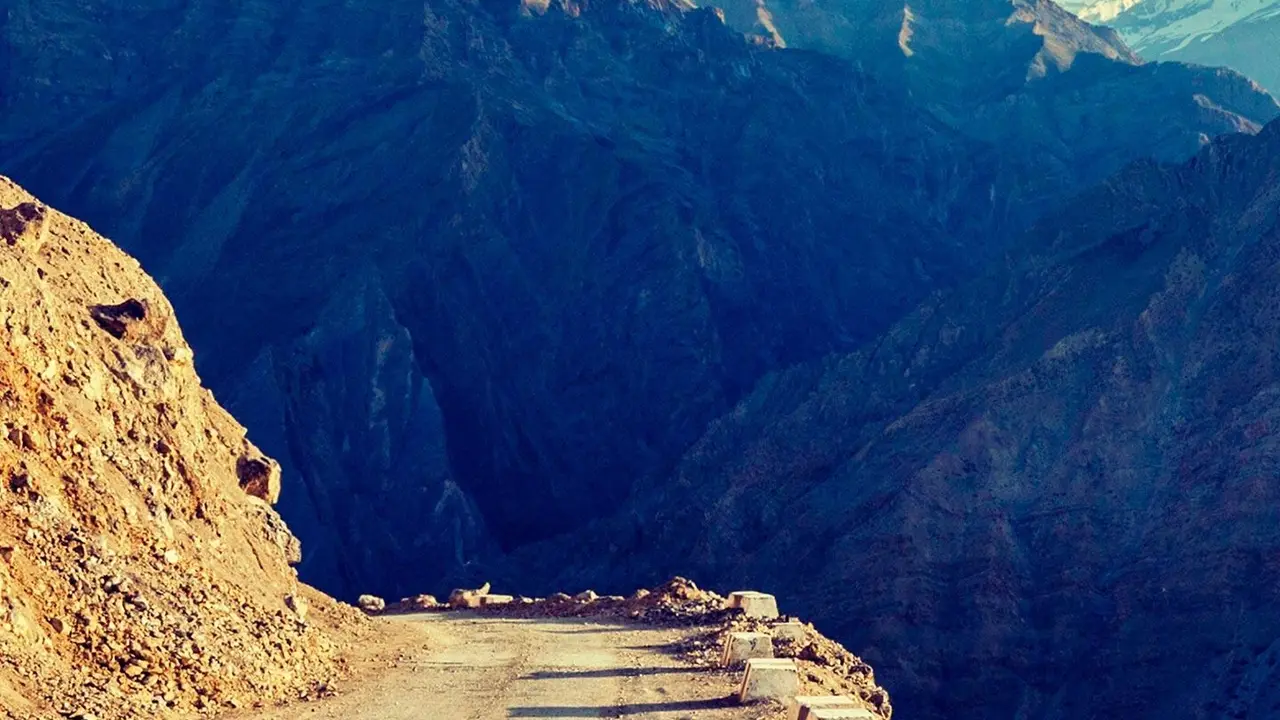
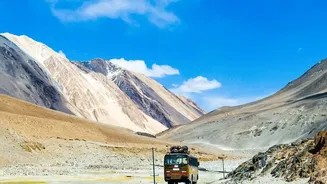
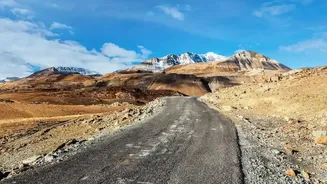
The roads to and within Spiti are demanding, with a mix of tarmac, gravel, and rocky patches. Your vehicle must be in top condition. Before you leave, get a thorough service. Pay special attention to the brakes, tyres, clutch plate, and engine coolant. Given the terrain, ensure your tyres have ample tread. It's wise to get the brake fluid checked and potentially bled to ensure maximum performance. A vehicle with high ground clearance, like an SUV, is ideal, but many people complete the trip in hatchbacks with careful driving. Also, pack a basic toolkit, a puncture repair kit, an air compressor, and jump-start cables. Knowing how to perform basic repairs, like changing a tyre, is an invaluable skill here.
On-the-Road: Driving Smart
Driving in the mountains requires a different mindset. Forget city speeds; here, patience and caution are your best friends. Always stick to your lane, especially on blind corners, and use your horn to announce your presence. Avoid overtaking on narrow sections or turns; wait for a clear, straight stretch of road. When driving downhill, use a lower gear for engine braking instead of riding the brakes, which can cause them to overheat and fail. As a young driver, it’s crucial to resist the temptation to rush. If you feel pressured by faster vehicles behind you, simply find a safe spot to pull over and let them pass. Never drive at night; the combination of unfamiliar roads, sharp bends, and no lighting is a recipe for disaster.
Documents, Permits, and Essentials
For Indian nationals, the good news is that no Inner Line Permit (ILP) is required for the main Spiti circuit. However, you must carry a valid government-issued photo ID (like an Aadhaar card or driving licence) for registration at police checkposts like Sumdo. Keep physical photocopies, as mobile networks are unreliable and you won't be able to access digital documents. Ensure your vehicle's documents—Registration Certificate (RC), insurance, and Pollution Under Control (PUC) certificate—are up to date and easily accessible. Carry enough cash, as ATMs are scarce and often out of service. It's also wise to carry extra fuel, as petrol pumps are few and far between.