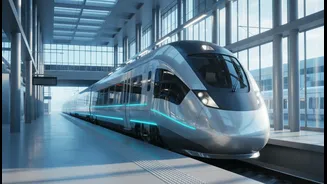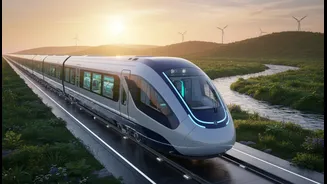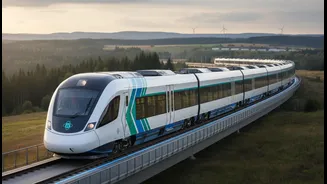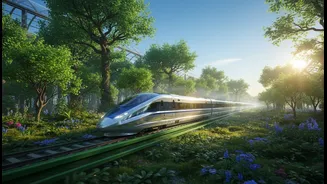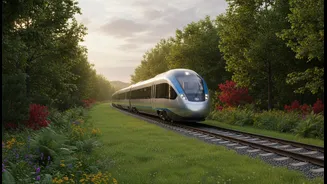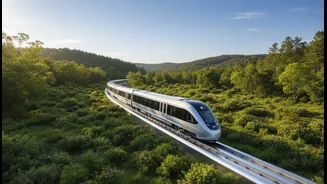


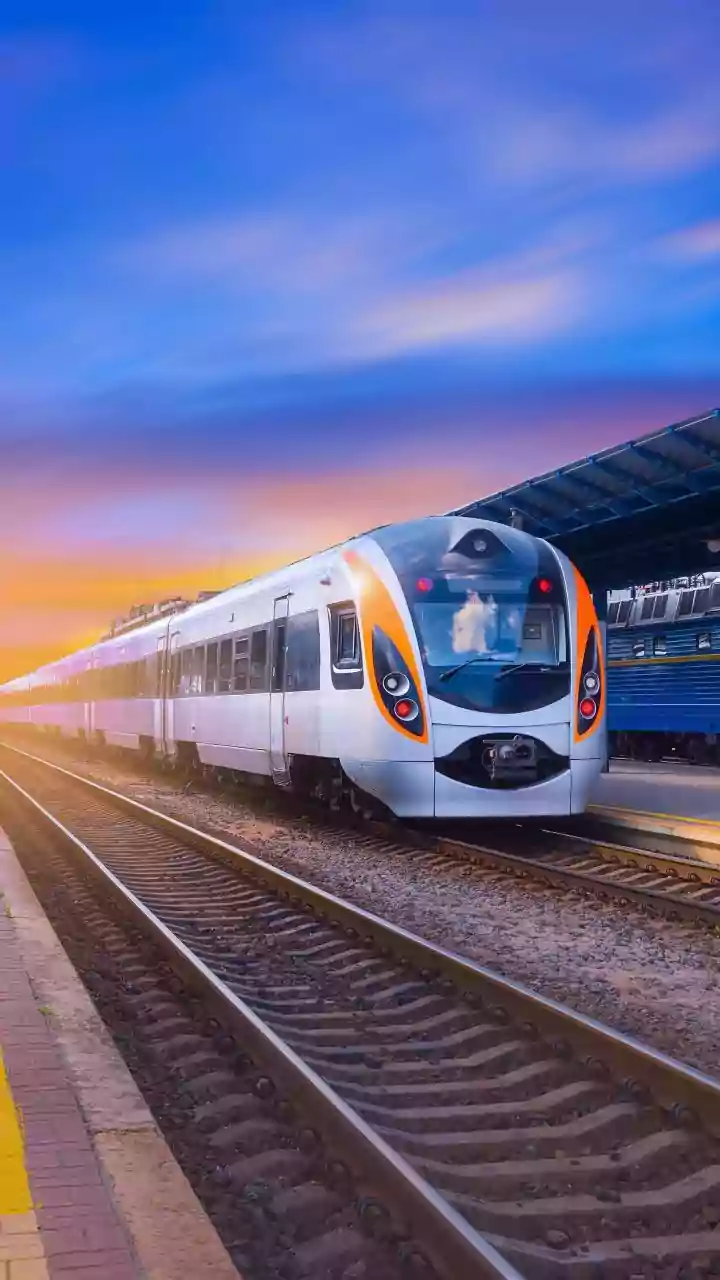



A New Era of Clean Travel
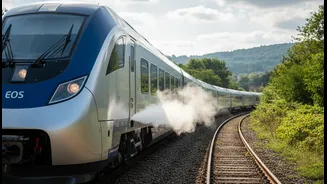
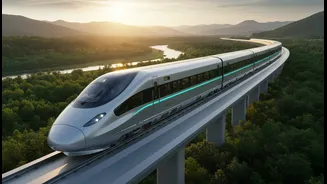
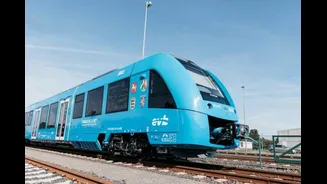
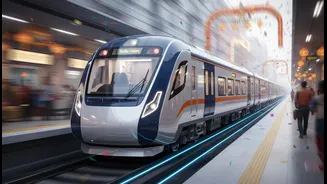
India is scheduled to launch its first hydrogen-powered train on July 17, 2026, on the Jind-Sonipat route in Haryana. This launch marks a significant milestone in the country's push for cleaner transportation and its 'Make in India' initiative. Unlike
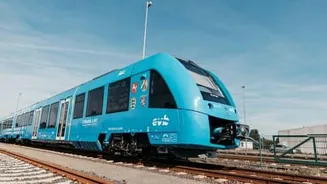
traditional diesel trains, which are a major source of pollution, hydrogen trains use fuel cells to convert hydrogen and oxygen into electricity, with the only byproduct being water vapour. This means they produce no harmful emissions like carbon dioxide or nitrogen oxides, offering a silent and environmentally friendly travel experience. The inaugural train, designed by the Research Designs and Standards Organisation (RDSO) and built at the Integral Coach Factory in Chennai, is a key part of India's strategy to achieve net-zero carbon emissions by 2030 for its railway network.
The Pilot Route and Future Plans
The first service will run on the nearly 90-kilometre Jind-Sonipat corridor in Haryana, a route chosen specifically for this pilot project. A dedicated hydrogen refuelling facility has been established at Jind to support operations. The train, a retrofitted Diesel Electric Multiple Unit (DEMU), will consist of 10 coaches and is approved to operate at a speed of 75 km/h. Following a successful pilot, Indian Railways plans to expand this technology, particularly through its 'Hydrogen for Heritage' initiative. This program aims to deploy 35 hydrogen trains on various scenic and ecologically sensitive heritage routes, such as the Kalka-Shimla and Darjeeling Himalayan Railway lines. This not only helps preserve the natural beauty of these tourist-heavy areas but also provides a quieter, more pleasant experience for passengers.
How Does a Hydrogen Train Work?
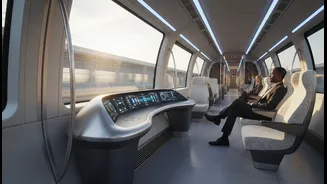
The technology at the heart of the new train is the proton-exchange membrane (PEM) fuel cell. This device electrochemically combines hydrogen, stored at high pressure in onboard tanks, with oxygen from the air. This reaction generates electricity to power the train's motors. The system is a hybrid model, also using lithium-ion batteries to manage power flow and store energy from regenerative braking, which improves overall efficiency. The entire process is clean and quiet, a stark contrast to the noise and fumes of a conventional diesel engine. For passengers, this translates to a smoother and more peaceful journey, free from the vibrations and roar of diesel combustion.
Challenges and the Road Ahead
While the promise of hydrogen trains is immense, the path to widespread adoption has several challenges. The initial capital cost is high, with each train estimated to cost around ₹80 crore and the supporting ground infrastructure an additional ₹70 crore per route. Furthermore, the production and transportation of green hydrogen—hydrogen produced using renewable energy—is still in a nascent stage in India and remains expensive compared to diesel. Scaling up production to meet the demands of a vast railway network is a significant logistical hurdle. Safety is another critical consideration; hydrogen is highly flammable, requiring specialised storage, handling protocols, and real-time leak detection systems to ensure safe operation. Despite these obstacles, the government's National Green Hydrogen Mission is working to drive down costs and build the necessary ecosystem, aiming for a 60-70% reduction in green hydrogen prices by 2030.