

The Unsung Hero of Your Practice
In chair yoga, the chair is far more than a simple seat; it is an active partner in your routine. Its primary role is providing stability, which allows you to move with confidence and security. For many people, especially those with balance concerns or joint
stiffness, the fear of falling can be a significant barrier to exercise. A sturdy chair removes this fear, creating a safe environment where you can focus on your movements and breath rather than worrying about wobbling or losing your balance. This sense of security is foundational. When your body feels stable and supported, your nervous system can relax, which in turn allows your muscles to release tension and lengthen more effectively. This is crucial for improving flexibility, as tense muscles resist stretching. The chair acts as a grounding force, enabling you to explore a greater range of motion without the strain or risk associated with traditional floor-based yoga.
Choosing Your Perfect Yoga Partner
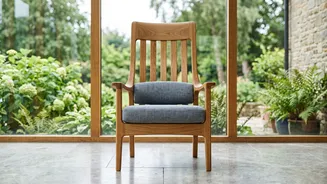
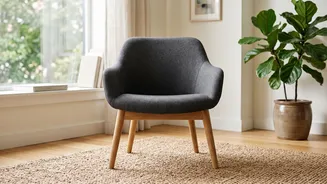
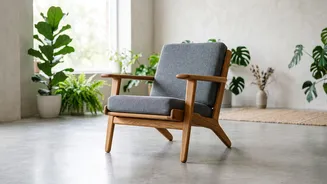
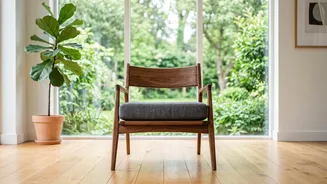
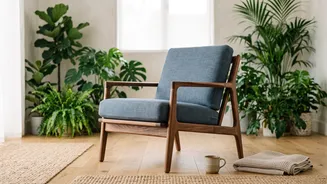
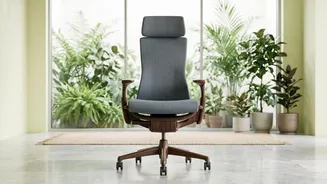
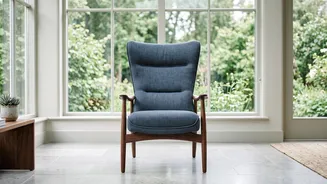
Not all chairs are created equal when it comes to a safe and effective yoga practice. Selecting the right one is the most important first step. The number one rule is stability: the chair must be sturdy and solid, without any chance of tipping, wobbling, or sliding. Experts strongly advise against using chairs with wheels, as they can easily roll out from under you, creating a serious fall risk. Armrests should also be avoided, as they can restrict your movement during twists and side stretches. The ideal chair has a firm, straight back and a height that allows your feet to rest flat on the floor with your knees at a 90-degree angle. This alignment ensures a stable base and promotes good posture. A simple, sturdy dining chair often meets all these criteria perfectly. Taking a moment to check that your chair is solid and appropriate for movement will pay dividends in every single session.
How Support Unlocks Deeper Flexibility
The connection between support and flexibility is direct. When you attempt a stretch without adequate stability, your muscles are forced to perform two jobs at once: lengthening and balancing. This dual demand often leads to muscular tension, which limits how deeply you can stretch. A stable chair eliminates the need for your muscles to constantly work to keep you upright. With the chair providing support, your body can fully relax into a pose. This allows you to isolate the muscles you intend to stretch and move deeper into poses like a seated forward fold or a hamstring stretch. The chair gives you the confidence to hold stretches for longer, gently increasing the elasticity of your muscles and connective tissues over time. It essentially tells your body, 'You are safe, you can let go'. This mental and physical release is where true gains in flexibility are made, allowing for improved joint mobility and a greater range of motion in daily activities.
Key Poses Enhanced by Chair Support
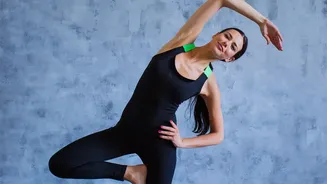
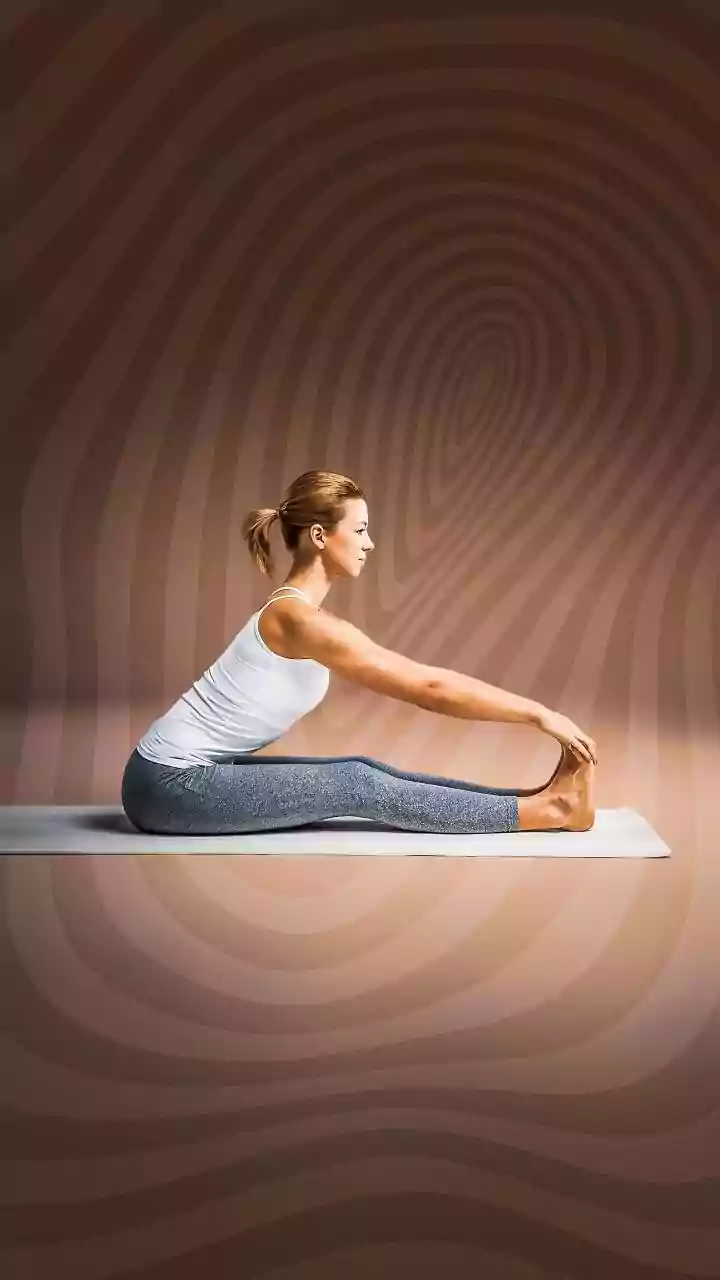
Several classic yoga poses are transformed with the use of a chair, making them more accessible and effective for flexibility. In a Seated Forward Bend, sitting on the edge of the chair allows you to hinge at your hips with a straight back, providing a deep stretch for the hamstrings and lower back without the strain of balancing. For a Seated Spinal Twist, the chair's back provides a gentle leverage point to deepen the rotation, increasing mobility in the spine. A modified Warrior pose, where you sit sideways on the chair and extend one leg back, uses the seat for support while you open your hips and chest. Even standing poses like Triangle or Downward Dog can be modified using the chair as a support for your hands, which reduces the weight on your wrists and shoulders and allows you to focus on lengthening your spine and legs. In each case, the chair isn't a crutch; it's a tool that enables better alignment and a more focused, effective stretch.