








The New Post-Grad Rite of Passage
For decades, the default graduation trip was a whirlwind tour of European capitals—think hostels in Rome, trains to Paris, and pubs in London. But a significant shift is underway. Today’s grads, armed with fresh diplomas and tight budgets, are increasingly
looking east. Vietnam, with its stunning coastline, vibrant culture, and legendary affordability, has emerged as the new frontier for that first taste of post-collegiate freedom. It’s a destination that offers the perfect trifecta for Gen Z: authentic adventure, undeniable beauty, and a price point that doesn’t require parental subsidy or years of saving. The question is no longer 'Which countries in Europe?' but 'Ha Long Bay or Phu Quoc first?'
Adventure Meets Accessibility
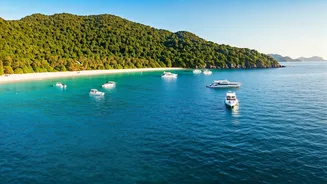
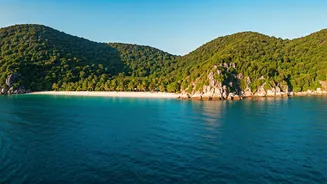
So, what does this trip actually look like? It’s a choose-your-own-adventure that’s surprisingly easy to navigate. The classic starting point is the UNESCO World Heritage site of Ha Long Bay, where thousands of limestone karsts jut out of emerald waters. Here, grads book overnight cruises on traditional-style “junk boats,” kayaking through hidden lagoons by day and socializing on the deck by night. From there, many fly south to Phu Quoc, Vietnam’s largest island, known for its palm-fringed, white-sand beaches and laid-back atmosphere. It’s the relaxation portion of the program, a place to rent a scooter, find a secluded beach, and enjoy fresh seafood. For the more intrepid, the Con Dao archipelago offers rugged, protected national parks and a glimpse into a less-developed side of island life. The common thread is that while these places feel remote and exotic, they are supported by a robust and affordable tourism infrastructure of hostels, tour operators, and cheap domestic flights that make a multi-stop island-hopping itinerary entirely feasible.
Fueled by TikTok and FOMO
You can’t discuss a Gen Z trend without talking about social media. Vietnam’s dramatic landscapes are tailor-made for viral content. A 15-second clip of a sunrise over Ha Long Bay, a drone shot of the Golden Bridge in Da Nang, or a time-lapse of lantern-lit streets in Hoi An can rack up millions of views, planting a seed in the minds of countless future travelers. This digital word-of-mouth is far more powerful than any travel brochure. When grads see friends from their graduating class posting stunning, envy-inducing photos and videos from Vietnam, the trip suddenly feels less like a daunting international expedition and more like an accessible, pre-vetted experience. This social proof demystifies the journey, turning 'I wish I could do that' into 'I can do that next month.'
The Unbeatable Economics
Ultimately, the trend’s explosion comes down to simple math. For a recent graduate staring down the barrel of student loan repayments and entry-level salaries, finances are paramount. A trip to Vietnam offers an almost unbelievable return on investment. A dorm bed in a clean, social hostel can cost as little as $8. A delicious, filling bowl of pho from a street vendor is often under $2. A bottle of local beer, a *bia hoi*, can be less than a dollar. Contrast this with the cost of a single meal in Paris or a night in a London hostel, and the appeal becomes crystal clear. Young travelers report being able to live comfortably and experience a wide range of activities—from boat tours to cooking classes—on a budget of $30–$40 a day. This affordability extends the possible length of the trip from a single week to a month or more, allowing for a deeper, more immersive experience that feels less like a vacation and more like a genuine adventure.