







Getting There and Around
Your budget adventure starts with a smart flight booking. Several budget airlines offer direct flights from major Indian cities to Muscat, and booking a few months in advance can lead to significant savings. A 10-day tourist e-visa is relatively inexpensive,
costing around OMR 5 (approx. ₹1,100), making the entry process smooth and affordable. Once in Oman, resist the urge to rely solely on expensive taxis. Muscat has a reliable and clean public bus system, Mwasalat, that connects key areas of the city. For the journey from Muscat to Nizwa, the Mwasalat intercity bus is your best friend. A return trip costs only a few Rials, a fraction of the price of a private taxi, and the journey takes about two to three hours through scenic landscapes.
Muscat: Coastal Views and Culture for Free
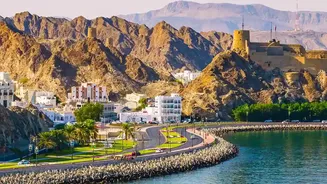
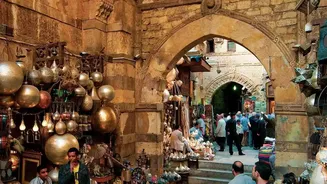
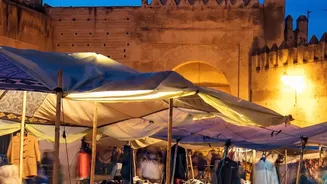
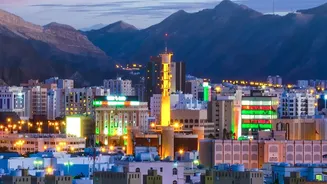
Muscat is a city where many of the best experiences cost nothing at all. Start with a long walk along the Muttrah Corniche, a beautiful waterfront promenade where you can watch dhows bobbing in the harbour against a backdrop of rugged hills. The path leads you to the famous Muttrah Souq, a labyrinth of alleyways filled with the scent of frankincense and the glitter of silver. While shopping is optional, the experience of wandering through this traditional market is a cultural immersion in itself. Another must-see is the Sultan Qaboos Grand Mosque, a breathtaking piece of modern Islamic architecture that is free to enter for visitors at specific times. For panoramic views, you can hike the designated trails in the hills around Muttrah or simply enjoy the sunset from Qurum Beach.
Nizwa: A Journey into Oman's Heartland
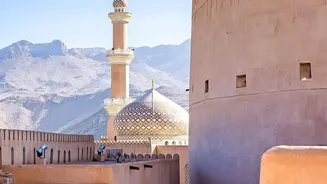
Nizwa, the former capital, is the cultural heart of Oman. The main attraction is the formidable Nizwa Fort, a 17th-century structure with a massive circular cannon tower. The entrance fee is a worthwhile expense, offering panoramic views of the city and the surrounding date palm oasis. Adjacent to the fort is the Nizwa Souq, which is less tourist-focused than its Muscat counterpart and offers a more authentic glimpse into local trade. It is particularly famous for its intricate silverwork and pottery. If your visit falls on a Friday morning, don't miss the famous livestock market, a chaotic and fascinating spectacle where locals trade goats and cattle in a tradition that has gone on for centuries. This unique cultural experience is completely free to witness.
Eating Well on a Budget
One of the biggest advantages for Indian travelers in Oman is the food. The country is dotted with countless small, affordable coffee shops and restaurants run by expatriates from the Indian subcontinent. You're never far from a delicious and cheap plate of biryani, dal, and fresh bread. A full meal at one of these local eateries can cost as little as 2-4 OMR. Don't miss out on trying local Omani snacks either. Look for small shops selling 'mishkak' (grilled meat skewers) in the evenings or enjoy a cup of 'karak' tea, a strong, sweet, milky tea with spices that will feel very familiar. By choosing these local spots over hotel restaurants, you can eat exceptionally well for a very low cost.
Smart Stays: Accommodation Tips
While Oman is known for its luxurious desert resorts, there are plenty of budget-friendly accommodation options available. In both Muscat and Nizwa, you can find clean and comfortable budget hotels, guesthouses, and hotel apartments for a fraction of the cost of a high-end resort. Booking platforms offer numerous choices, with prices for budget rooms often starting around 15-20 OMR per night. In Muscat, look for options in areas like Ruwi or Al Khuwair, which are well-connected by public transport. In Nizwa, several affordable inns and guesthouses are located near the souq and fort, allowing you to save on local transport costs. For the truly adventurous, wild camping is legal and safe in many parts of Oman, offering a free place to stay under the stars.