


What Exactly Is El Niño?
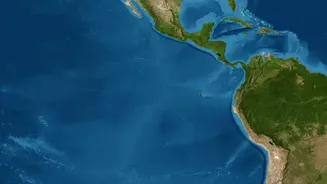
El Niño, which means "the little boy" in Spanish, is a naturally occurring climate phenomenon. It is marked by the unusual warming of sea surface temperatures in the central and eastern equatorial Pacific Ocean. Under normal conditions, strong trade winds
push warm water westwards towards Asia. During an El Niño, these winds weaken, allowing the warm water to spread back towards the east, near South America. This shift in ocean heat triggers a domino effect, altering atmospheric circulation patterns across the globe, including those that govern India's monsoon. It is the warm phase of a larger cycle known as the El Niño-Southern Oscillation (ENSO).
The Connection to India's Monsoon
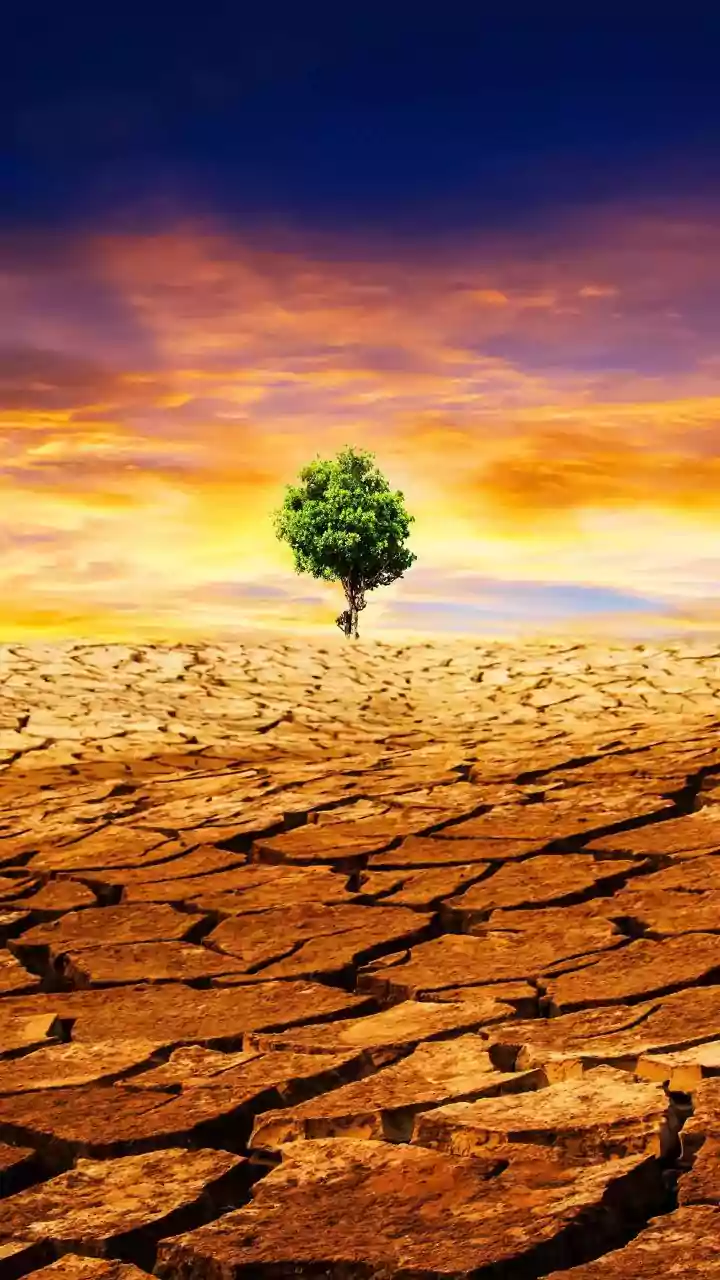
The Indian monsoon is a massive sea-to-land weather system that delivers about 70-75% of the country's annual rainfall. Its strength depends on a delicate balance of temperature and pressure. El Niño disrupts this balance. The warming of the Pacific Ocean changes air pressure and shifts rainfall patterns, often weakening the monsoon winds that carry moisture from the Indian Ocean to the subcontinent. This can lead to suppressed rainfall, prolonged dry spells, and higher-than-average temperatures across many parts of India. Historically, many El Niño years have coincided with below-normal monsoon rainfall in India, with some leading to drought conditions.
The 2026 Forecast and Its Nuances
For 2026, forecasters have been watching a strengthening El Niño. The India Meteorological Department (IMD) predicted a below-normal monsoon season, forecasting rainfall at around 90-92% of the Long Period Average (LPA), citing the developing El Niño as a key factor. As of early August 2026, cumulative rainfall was already about 12% below normal. However, an El Niño does not automatically guarantee a poor monsoon. Other climate factors can play a crucial role. One such factor is the Indian Ocean Dipole (IOD), which relates to temperature differences in the Indian Ocean. A 'positive' IOD can sometimes counteract El Niño's drying effect by pushing more moisture towards India, potentially rescuing the monsoon from a severe deficit.
Why a Weak Monsoon Is a National Concern
The stakes are incredibly high. Nearly half of India's farmland is rain-fed, making the agricultural sector highly vulnerable to a weak monsoon. Lower rainfall can lead to delayed crop sowing, reduced yields of key crops like rice, cotton, and soybeans, and diminished income for millions of farmers. This directly impacts rural demand for goods like tractors and two-wheelers. The economic ripple effects extend to everyone. Lower agricultural output can strain food supplies and drive up inflation, affecting household budgets across the country. Furthermore, poor rains deplete water levels in reservoirs, which impacts drinking water availability and reduces the generation of hydroelectric power, potentially straining energy grids.
Beyond the Farm: Broader Societal Risks
The impact of a weak, El Niño-influenced monsoon goes beyond just economics. The combination of higher temperatures and altered rainfall patterns can create public health challenges. Drier conditions can increase the risk of heatwaves, while erratic rainfall can sometimes lead to an increase in vector-borne diseases. The overall stress on water resources affects not just agriculture but also industrial operations and daily domestic use. While India's economy has become more diversified and less dependent on agriculture than in past decades, the monsoon's performance remains a critical indicator of rural well-being and national sentiment. A poor monsoon can increase pressure on government finances through the need for rural relief measures and other support mechanisms.