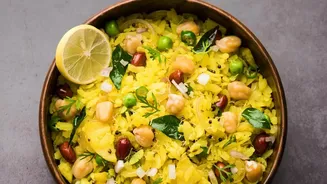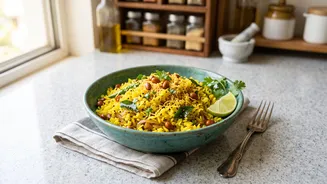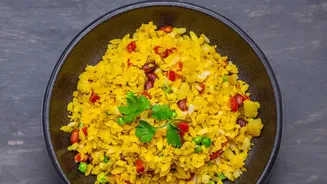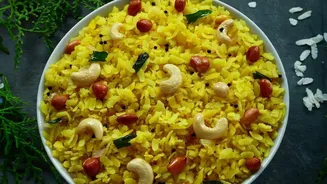



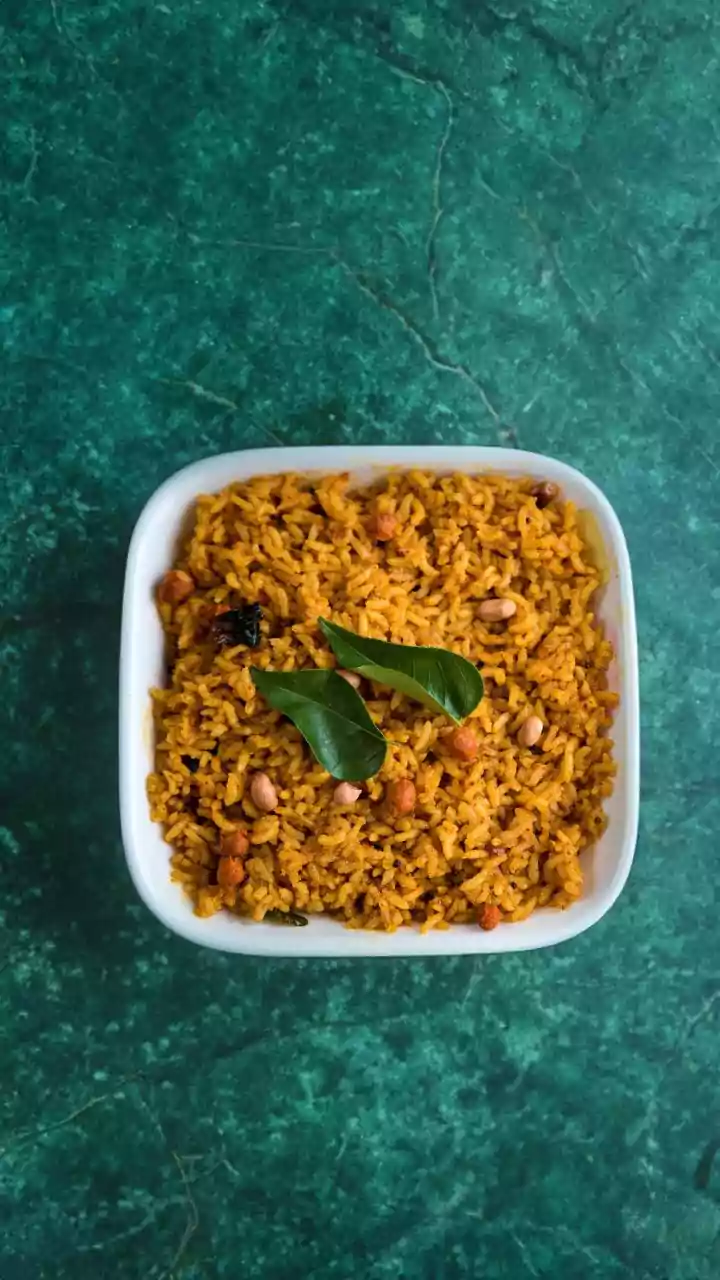
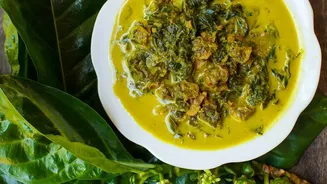
Poha is a beloved breakfast staple across India, but even the most classic dishes can benefit from a fresh twist. Enter coconut poha, a delightful variation that introduces a new world of flavour and texture to your morning routine.
A Refreshing Break from Tradition
For many, poha means
the savoury goodness of Kanda Batata Poha, with its familiar blend of onions, potatoes, and turmeric. While delicious, the routine can become monotonous. Coconut poha, known as Thengai Aval in Tamil Nadu and Kobbari Atukulu in Andhra Pradesh, offers a wonderful alternative. This version leans on the culinary traditions of South India, where coconut is a hero ingredient. It swaps the quintessential onion-potato base for the subtle sweetness and rich texture of freshly grated coconut, creating a dish that is both light and satisfying. The preparation is quick, often taking just 15-20 minutes, making it an ideal choice for busy mornings.
A Symphony of Taste and Texture
The magic of coconut poha lies in its balanced flavour profile. The natural sweetness of the coconut beautifully complements the simple, earthy taste of the flattened rice. The tempering, a crucial step in Indian cooking, adds layers of complexity. A typical tempering for coconut poha includes mustard seeds, urad dal, chana dal, curry leaves, and green or red chillies, often cooked in coconut oil to amplify the flavour. This combination provides a delightful crunch from the dals, a gentle heat from the chillies, and an aromatic lift from the curry leaves. The result is a dish that is savoury, slightly sweet, and tangy (if a squeeze of lemon is added), with the soft, chewy poha punctuated by the pleasant texture of grated coconut.
Not Just Delicious, But Nutritious Too
Beyond its appealing taste, adding coconut to poha enhances its nutritional value. Poha itself is a good source of healthy carbohydrates, provides quick energy, and is light on the stomach. It is also gluten-free and often recommended for its easy digestibility. Coconut enriches this with healthy fats, primarily medium-chain triglycerides (MCTs), which are known to be an efficient energy source. It also adds dietary fibre, which aids in digestion and promotes a feeling of fullness, helping to prevent untimely snacking. Peanuts or cashews are often added, further boosting the protein and healthy fat content of the dish. This makes coconut poha a more balanced meal that keeps you satiated for longer.
Tips for the Perfect Coconut Poha
Creating the perfect bowl of coconut poha is simple, but a few tips can elevate your dish. First, choose the right kind of poha. Thick poha (jada poha) is generally recommended as it holds its shape well after rinsing and doesn't turn mushy. The key is to rinse the poha under running water in a colander and let it drain for about 5–10 minutes; avoid soaking it for too long. Using fresh grated coconut will always yield the best flavour, but frozen grated coconut works well too—just ensure it's thawed to room temperature before use. For the tempering, don't rush the process. Allow the mustard seeds to splutter completely and the dals to turn golden brown to unlock their full flavour. Finally, add the poha and coconut towards the end and mix gently, cooking for only a couple of minutes to heat through without making it mushy.