




Beyond the Beach Crowds
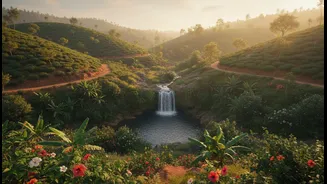
For years, Goa's identity has been tied to its coastline. But a growing number of travellers are now looking inland, searching for experiences that go beyond the usual tourist trail. This shift is part of a broader trend towards 'slow travel'—a style
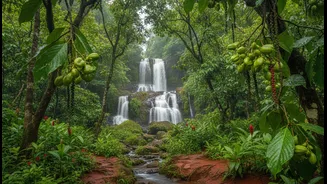
of vacationing that prioritises connection, relaxation, and immersion over a frantic checklist of sights. Instead of rushing from one packed beach to another, these visitors are discovering the tranquil beauty of Goa's interior, particularly the waterfalls that swell to life during the monsoon season. The state's tourism department has also begun promoting these hinterland experiences, encouraging a more diverse and sustainable form of travel.
The Magic of the Monsoon
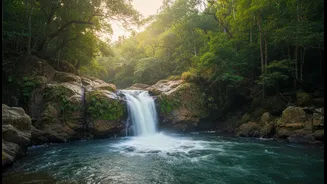
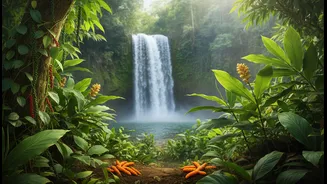
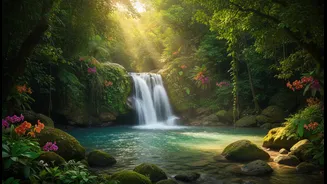
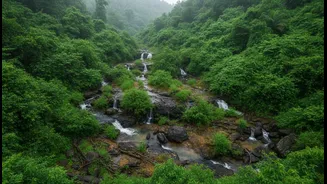
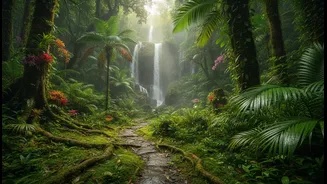
While the monsoon was once considered Goa's 'off-season', it is now celebrated as the best time to witness the state's natural splendour. The rains transform the landscape into a vibrant green paradise, and the waterfalls, which can be mere trickles in the dry season, become powerful, roaring cascades. This seasonal spectacle offers a completely different Goan experience, one defined by the sound of rushing water, the smell of damp earth, and lush, verdant surroundings. For photographers, nature lovers, and anyone needing a break from city life, the Goan monsoon and its waterfalls provide an unparalleled sensory feast.
Harvalem: The Accessible Oasis
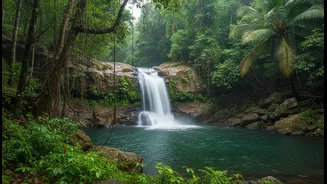
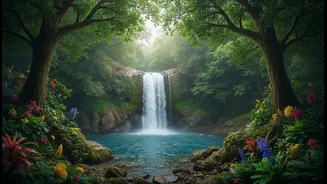
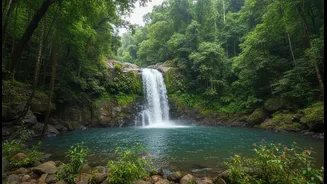
For those new to waterfall chasing, Harvalem Falls (also known as Arvalem) is an ideal starting point. Located near Sanquelim in North Goa, it's one of the most accessible waterfalls, making it perfect for families and casual day-trippers. Dropping from a height of about 50 meters, the water forms a wide, inviting pool at its base, surrounded by a government-maintained park perfect for a picnic. The site offers a blend of nature and history; nearby are the 6th-century Arvalem rock-cut caves, believed to have been used by the Pandavas during their exile, and the Rudreshwar temple. This combination makes a visit to Harvalem a well-rounded cultural and natural excursion.
Tambdi Surla: A Trek Through Time
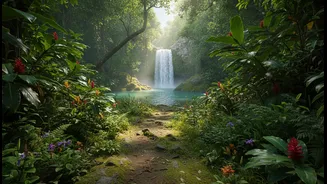
Deep within the Bhagwan Mahavir Wildlife Sanctuary lies a true gem for the more adventurous traveller: Tambdi Surla. Reaching this secluded waterfall requires a trek of about 90 minutes through dense forest, crossing streams and navigating rocky paths. The journey itself is a major part of the appeal, immersing you in pristine wilderness. The trek begins near the 12th-century Mahadev Temple, Goa's oldest surviving temple, a beautiful structure of basalt stone that provides a serene, spiritual start to the adventure. The waterfall itself is a tranquil cascade, offering a peaceful reward for those willing to make the effort.
Dudhsagar: The Majestic Giant
No discussion of Goan waterfalls is complete without mentioning the legendary Dudhsagar Falls. One of India's tallest waterfalls, it plunges from a height of over 310 meters on the Goa-Karnataka border. Its name, meaning 'Sea of Milk', perfectly describes the frothy, white water as it cascades down the mountainside. The sight of a train crossing the railway bridge that spans the middle of the falls is a truly iconic and cinematic image. While Dudhsagar is the most famous and often the most crowded of Goa's waterfalls, its sheer scale and power make it a bucket-list destination, especially during the monsoon when it is at its most dramatic.