






The Anatomy of a Ruined Afternoon
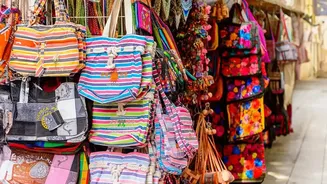
Imagine this: you’ve spent a wonderful morning at a bustling city market, picking up beautiful handicrafts, local spices, and unique souvenirs. Your hands are full, but your spirits are high. You head to your next stop, a world-renowned museum or a historic
landmark like the Taj Mahal or Delhi's Akshardham Temple. As you approach the entrance, buzzing with excitement, a security guard stops you. The verdict is swift and final: your bags are too big. Your collection of shopping bags, and perhaps even your daypack, exceed the strict size limitations. Suddenly, your perfect day comes to a screeching halt. You’re left scrambling, frustrated, and faced with a choice: abandon your hard-won souvenirs, forfeit your entry ticket, or embark on a stressful hunt for a place to store your belongings.
Understanding Strict Bag Policies
Many major tourist attractions, including monuments, high-security government buildings like India Gate, places of worship, and stadiums, enforce surprisingly strict rules about what you can carry inside. These aren't just suggestions; they are firm security measures. Policies often forbid any bag larger than a small purse or wallet. Backpacks, shopping bags, and even moderately sized handbags are frequently banned. For security reasons, items like food, large electronics, and liquids may also be prohibited. At some sites, the rules are even more stringent, requiring visitors to leave almost everything behind. These regulations are in place to ensure visitor safety and protect the integrity of the site, but for the unprepared tourist, they can be a major source of frustration.
The Cloakroom Isn't Always the Answer
The most common suggestion is to use a cloakroom or luggage storage facility. While these services exist, they are far from a perfect solution. Official cloakrooms at attractions can have long, slow-moving queues, eating into your valuable sightseeing time. Some may not even exist, especially at older heritage sites. Railway and bus station lockers are another option, but this often requires a significant detour and backtracking across the city. Private luggage storage services, often found in local shops or cafes, are becoming more common in tourist hubs like Mumbai and Jaipur. While convenient, they come at a cost, and you have to entrust your new purchases to a third party. There’s also the hassle of returning to retrieve your bags later, which complicates your schedule and adds another errand to an already packed day.
How to Plan Your Day the Smart Way
The solution is simple but requires a shift in mindset: structure your itinerary around the most restrictive location first. If you plan to visit a site with a strict bag policy, make it the first stop of your day. Go there with only the bare essentials—your phone, wallet, and keys in your pockets or a very small, approved bag. Enjoy your visit unburdened by luggage and free from the anxiety of being turned away. Once you are done with the main attraction, your day opens up. You are then free to explore the local markets, go on a shopping spree, and accumulate as many bags as you like. With the main event already checked off your list, you can simply take your purchases back to your hotel or head directly to the airport or train station without any further complications. This approach turns a potential travel disaster into a smooth, logical, and stress-free experience.