





What is a Micro-Trip?
Forget fortnight-long holidays; the future of travel might be shorter and more frequent. A micro-trip is a short getaway, typically lasting between one and four nights. Think of a weekend road trip to a nearby hill station, exploring a neighbouring city
you've always been curious about, or even just a day spent discovering a hidden gem in your own region. The appeal is clear: these trips are more affordable, easier to plan, and can be slotted into a busy schedule, offering regular breaks to combat burnout without using up all your annual leave. This trend allows you to explore more destinations and recharge more often than one single, long holiday per year.
The Psychology of Guilt-Free Spending
The magic of a pre-funded trip isn't just financial; it's psychological. When you know the money for your hotel, meals, and activities is already sitting in an account, it removes the mental burden of every purchase. Instead of wondering if you can afford a nice dinner or a spontaneous activity, you can spend with confidence. This transforms the experience from one of financial anxiety into one of genuine relaxation and enjoyment. Studies on happiness have found that the anticipation of an experience, like a planned trip, can generate significant joy. By preparing financially, you separate the 'pain' of paying from the pleasure of the experience, allowing you to be fully present and savour every moment.
Your Tool: The Travel Sinking Fund
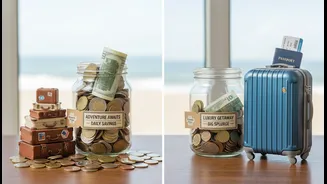
The most effective way to save for planned expenses is with a sinking fund—a dedicated pot of money set aside for a specific goal. Unlike a general savings account, a travel sinking fund is earmarked specifically for your getaways. This prevents you from accidentally spending your vacation money on other things. The concept is simple: you decide on a target amount for your trip and then break it down into smaller, regular savings contributions. For example, if you want to take a ₹15,000 weekend trip in six months, you would save ₹2,500 per month. This method turns a large, intimidating cost into a series of manageable monthly payments.
Make Saving Effortless with Automation
The key to a successful sinking fund is consistency, and the easiest way to be consistent is through automation. Set up an automatic recurring transfer from your primary bank account to your dedicated travel savings account. You can schedule this transfer for every payday, ensuring that you save money before you're tempted to spend it. Many banking apps allow you to create separate 'pots' or 'envelopes' within your savings account, which you can label “Weekend Trip” or “Goa Fund.” By automating the process, saving becomes a background habit, not a monthly struggle. You simply set it and forget it, and before you know it, your trip is fully funded.
Budgeting for Your Next Micro-Adventure
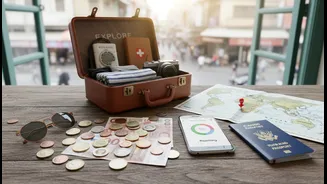
To know how much to save, you need a realistic budget. Start by estimating the main costs of your trip. Consider transport (fuel, train tickets, or flights), accommodation, food, and activities. Research typical hotel costs in your destination and look up restaurant menus to get a feel for dining expenses. Don't forget to factor in a buffer for miscellaneous spending, like souvenirs or unexpected treats. Once you have a total estimated cost, divide it by the number of months you have until your trip. This will give you your monthly savings goal. The more prepared you are, the less likely you are to overspend and feel guilty later.