



The Shift Away from the Scoop
For years, the gold standard for muscle recovery was a scoop of whey protein mixed with water. It was fast, convenient, and effective. Yet, a noticeable trend is emerging among fitness enthusiasts who are increasingly looking for cleaner, more natural
alternatives. Concerns over heavily processed powders, artificial sweeteners, fillers, and potential digestive issues like bloating from lactose have prompted many to look back to their roots. This shift is driven by a desire for whole-food nutrition that not only builds muscle but also supports overall wellness, from gut health to hydration. The high cost of imported protein supplements is another significant factor, pushing people towards affordable, local, and equally potent options available in their own kitchens.
Sattu: The Original Indian Superfood
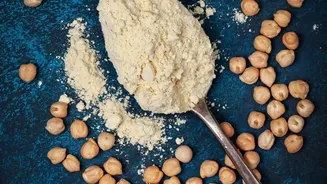
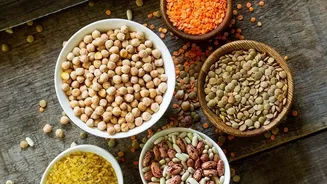
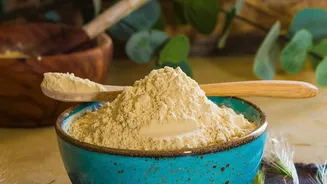
Sattu, a flour made from roasted Bengal gram (chana), has been a nutritional staple in regions like Bihar and Uttar Pradesh for centuries. Now, it's being embraced as a modern fitness food. A 100-gram serving packs around 20-22 grams of plant-based protein, making it a formidable contender to many commercial powders. Beyond just protein, sattu is a powerhouse of nutrients. It's rich in dietary fibre, which aids digestion and promotes a feeling of fullness, helping with weight management. It also boasts a low glycemic index, ensuring a slow and sustained release of energy without the sugar crash associated with some supplements. Furthermore, it is loaded with essential minerals like iron, magnesium, and calcium.
The Living Nutrition of Sprouted Legumes
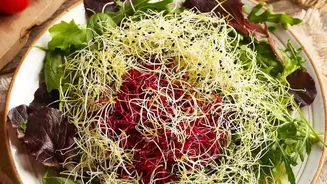
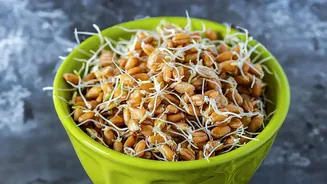
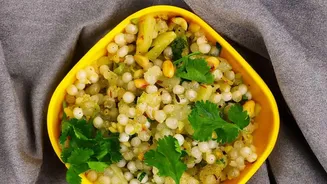
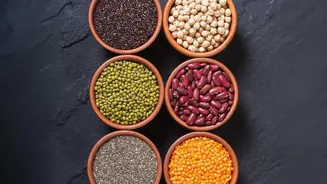
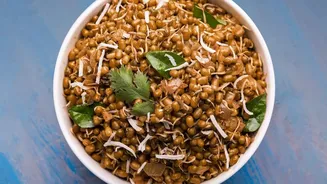
Sprouted legumes, especially moong (mung beans) and chana (chickpeas), are another traditional food finding new life in the fitness world. The process of sprouting fundamentally transforms the nutritional profile of a legume. It significantly reduces anti-nutrients like phytic acid, which can hinder the absorption of minerals. This makes the nutrients within the sprouts more bioavailable, meaning your body can absorb and utilise them more effectively. Sprouting also increases the concentration of certain vitamins and makes the legumes easier to digest, reducing the chances of gas and bloating. While the protein concentration per 100g of wet sprouts is lower than dry dal due to water absorption (around 3-7g depending on the legume), its improved digestibility and nutrient access make it an excellent addition to a recovery meal.
The Nutritional Showdown: Natural vs. Processed
When comparing sattu to whey protein, the differences are clear. Whey protein is a 'complete' protein with a full amino acid profile, and it's absorbed very quickly, making it effective for immediate post-workout muscle repair. However, sattu offers a more holistic nutritional package. While it might be lower in one specific amino acid, this is easily balanced by pairing it with other foods in a meal. What sattu provides that whey doesn't is a significant amount of fibre, complex carbohydrates for sustained energy, and a wealth of micronutrients. Unlike highly processed whey, which can contain artificial additives, sattu is a minimally processed whole food. For many, this trade-off is worth it: a slightly slower-digesting protein in exchange for better digestive health, sustained energy, and a cleaner nutritional profile.
More Than Muscle: Holistic Health Benefits
The appeal of sattu and sprouts goes beyond muscle building. Sattu is famously known for its cooling properties, making a sattu sharbat an excellent way to hydrate and replenish electrolytes after a sweaty workout, especially in Indian summers. The high fibre content in both sattu and sprouted legumes is crucial for maintaining a healthy gut microbiome, which is foundational to overall health and nutrient absorption. By opting for these natural foods, individuals also avoid potential allergens and sensitivities associated with dairy-based whey proteins. It represents a move towards functional eating, where the goal is not just to hit a protein macro but to nourish the body in its entirety.
Easy Ways to Power Up Your Diet
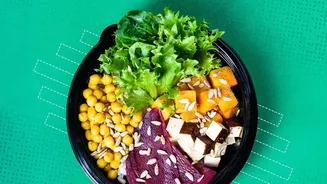
Incorporating these desi powerhouses into your routine is simple. For a quick post-workout drink, mix 2-3 tablespoons of sattu with water, a pinch of black salt, and a squeeze of lemon for a refreshing and replenishing sharbat. You can also blend it into a smoothie with yoghurt or milk to create a thicker, more protein-dense shake. For a satisfying meal, prepare a sprouted legume bowl. Lightly steam a cup of mixed sprouts (like moong, moth, and chana), and toss them with chopped onion, tomato, cucumber, and a sprinkle of chaat masala. This not only provides quality protein and fibre but also a wealth of vitamins from the fresh vegetables. Both options are versatile, affordable, and incredibly effective.