




The Unbeatable Economic Logic
For a young professional on a starting salary, every rupee counts. The choice between a personal two-wheeler and other commuting options often comes down to a simple calculation. App-based cab fares, with their unpredictable surge pricing, can quickly
consume a significant chunk of a monthly budget, with estimates showing costs can run into many thousands of rupees for daily travel. Public transport, while cheaper, presents its own set of challenges. A 2025-26 National Household Travel Survey found that urban workers spend an average of ₹1,044 per month on their commute, a noticeable expense for someone on an entry-level salary. In contrast, owning a motorcycle or scooter offers a more predictable and manageable cost structure. With flexible financing options and EMIs, the upfront barrier to ownership is lowered. Fuel efficiency, a key consideration for Indian buyers, means that daily running costs remain relatively low, even with fluctuating petrol prices. The total cost of ownership often proves more economical than relying on a combination of rickshaws and cabs, especially when last-mile connectivity is poor.
Winning the Battle Against Time
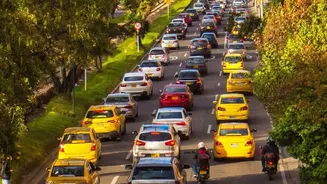
In cities like Bengaluru, Pune, and Mumbai, time is a currency lost in gridlock. Recent traffic index reports paint a grim picture, with commuters in Bengaluru losing as many as 168 hours annually to rush-hour traffic. In these conditions, a two-wheeler is not just a vehicle; it's a time-saving tool. Its agility allows riders to navigate through stagnant traffic, filter through narrow lanes, and significantly cut down travel time compared to cars. While the average commute to a fixed workplace in India is a surprisingly low 25 minutes, this figure is skewed by shorter trips and doesn't capture the reality in hyper-congested metro areas where travel can take hours. For a first-time job seeker trying to make a good impression, punctuality is paramount. The ability to bypass traffic jams provides a sense of control and reliability that crowded buses or gridlocked cars simply cannot offer. This saved time translates directly into more personal time, less stress, and a better work-life balance—a crucial factor for those adjusting to the demands of a new career.
Bridging the Last-Mile Gap
While India's metro rail networks are expanding, they don't always solve the whole problem. A common issue for urban commuters is the 'last-mile problem'—the gap between the metro station or bus stop and their office or home. This final leg of the journey can be too far to walk, especially in extreme weather, and relying on auto-rickshaws adds another layer of cost and unpredictability. The two-wheeler elegantly solves this by providing seamless, door-to-door connectivity. It removes the dependence on other forms of transport and gives the rider complete autonomy over their schedule. This independence is particularly valuable for those working late hours or in areas poorly serviced by public transport. National data confirms this preference, with a staggering 42.6% of Indian workers using a two-wheeler for their commute, while buses and trains combined account for less than 10%.
A Symbol of Freedom and Aspiration
Beyond the practicalities of cost and time, the first vehicle holds a special place in the journey to adulthood. For a young person earning their own salary, purchasing a motorcycle or scooter is often a significant milestone. It's more than just transport; it's a tangible symbol of independence, mobility, and economic empowerment. It represents the freedom to explore the city, meet friends, and manage personal errands without being tethered to family vehicles or public transport schedules. This cultural significance, combined with the rise of the gig economy where a two-wheeler can also be an income-generating asset, further cements its role. As two-wheeler sales continue to show robust growth, with the market projected to expand significantly by 2030, it's clear this trend is powered by both economic necessity and personal aspiration.