
The Softer Finger Wave
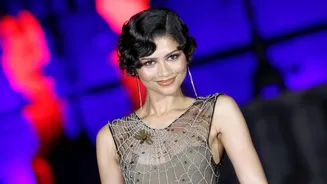
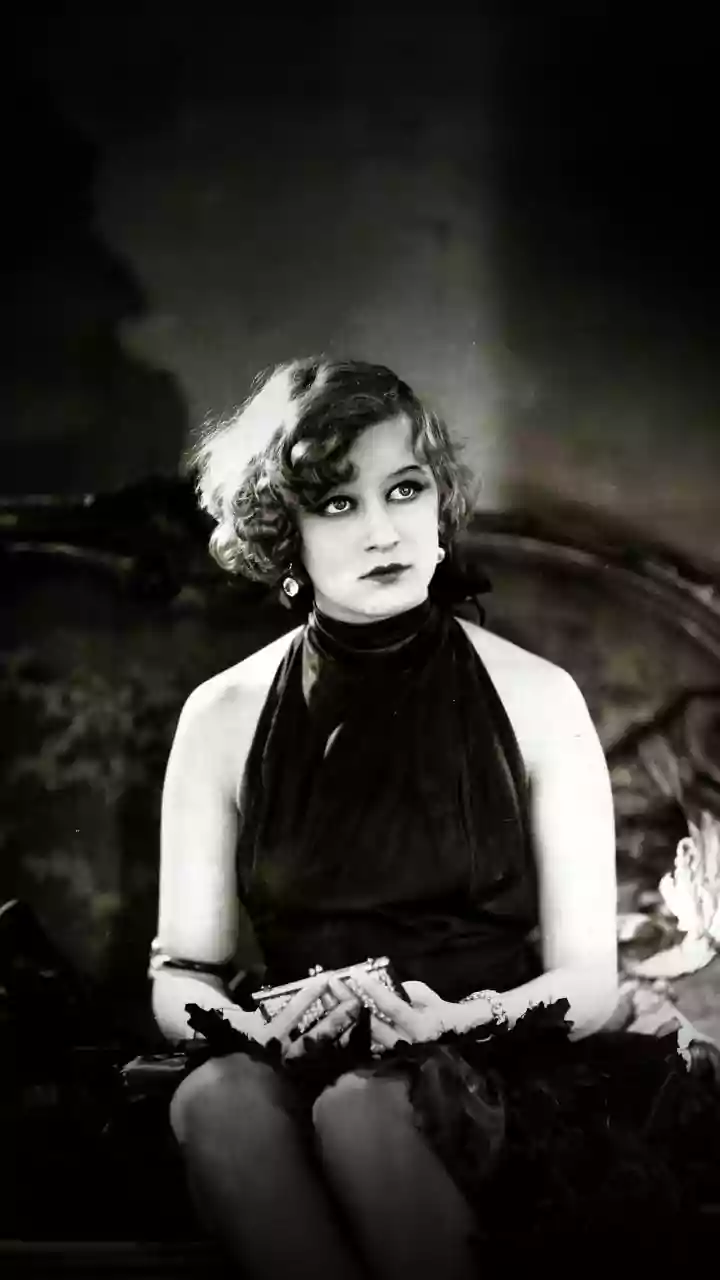
The iconic 1920s finger wave was known for its super-sleek, sculpted 'S' shape held firmly in place. The modern update is all about relaxing that structure. Instead of a full head of rigid waves, today's version focuses on a soft, face-framing wave at the
front. This can be achieved with a curling iron to create a gentle curl, which is then brushed out and shaped, rather than using the traditional wet-set method. This delicate nod to the flapper era works beautifully on both short bobs and long hair, adding a touch of elegance without looking like a costume.
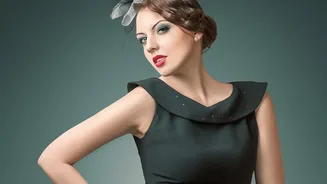
The Understated Victory Roll
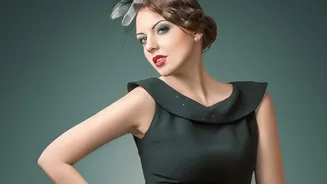
Victory rolls were a hallmark of the 1940s, characterized by large, voluminous rolls of hair on top of the head. While dramatic and beautiful, the original style can be time-consuming. The modern take is to scale it down. Think a single, smaller roll as an accent on one side, or two subtle rolls just above the temples. These can be created by backcombing a section of hair for texture, then rolling it inwards and pinning it securely. This simplified version gives a clear nod to the pin-up era while remaining chic and manageable for a regular day.
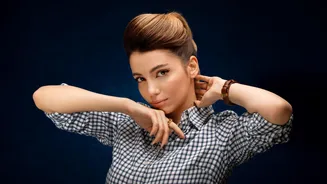
The Relaxed Beehive
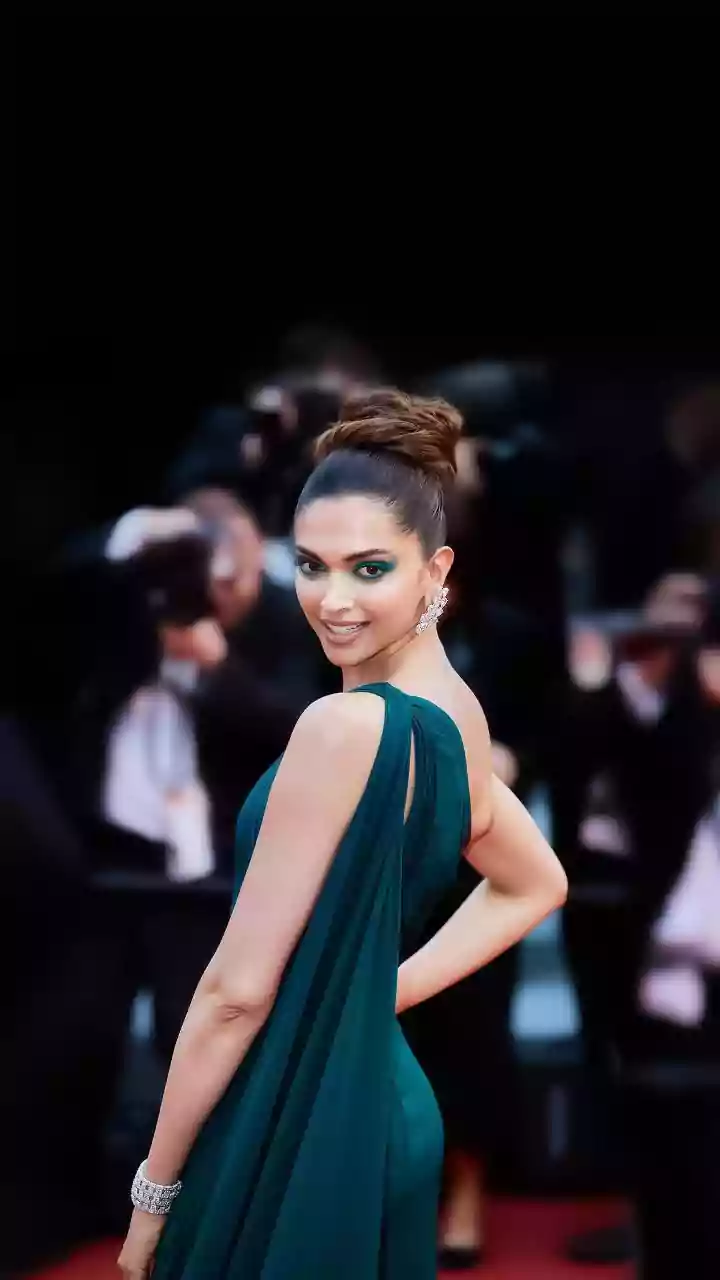
The 1960s beehive was all about maximum height and structure, a towering style made famous by stars like Audrey Hepburn. Today's version is less about sky-high volume and more about a gentle lift at the crown. This can be styled as a half-up, half-down look with a soft 'bump' at the back, or even integrated into a high ponytail. The key is to create volume through teasing or using a hair doughnut, but to keep the finish soft and even a little messy, often with face-framing tendrils left out to soften the look.
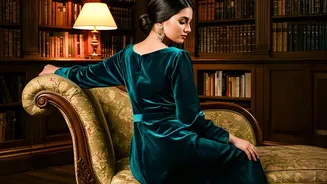
The Everyday Pin Curl
Traditionally, pin curls were set on wet hair and left overnight to create tight, defined curls, forming the base for many vintage styles. For a modern, everyday look, you can use the pin curl technique on dry hair for a faster result. After using a curling iron on a section of hair, instead of letting it drop, you can roll the curl up and pin it to your head to cool. This helps the curl set with more longevity and a bouncier finish. You can do this with just a few sections around your face to add soft waves, giving you a hint of 1950s glamour without the long wait time.
The Modern Shag
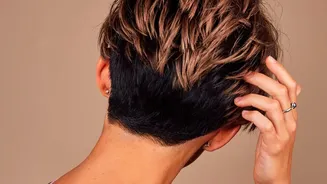
The shag haircut was the epitome of '70s rock-and-roll cool, defined by its heavy, choppy layers and feathered texture. While the original was rebellious and edgy, the modern shag is more polished and versatile. Today’s interpretations often feature softer, more blended layers and popular curtain bangs that frame the face beautifully. It’s a low-maintenance style that adds incredible volume and movement, working well with straight, wavy, and even curly hair. The contemporary shag keeps the free-spirited vibe of the '70s but makes it chic enough for any setting.
The Subtle Bouffant
Much like the beehive, the bouffant was a '60s staple focused on creating a 'puffed-up' look. While historically associated with wide, voluminous shapes, the modern interpretation is all about subtle polish. A gentle bouffant can be easily created by adding a bit of volume at the crown before pulling hair into a low ponytail or a simple half-up style. It’s a go-to for many Indian actresses, often seen paired with elegant sarees. This touch of height at the back of the head adds a sophisticated, elongated silhouette without the stiffness of the original.