

The Railway Renaissance
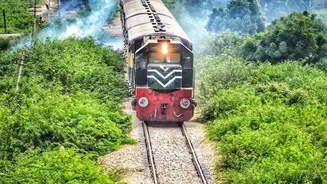
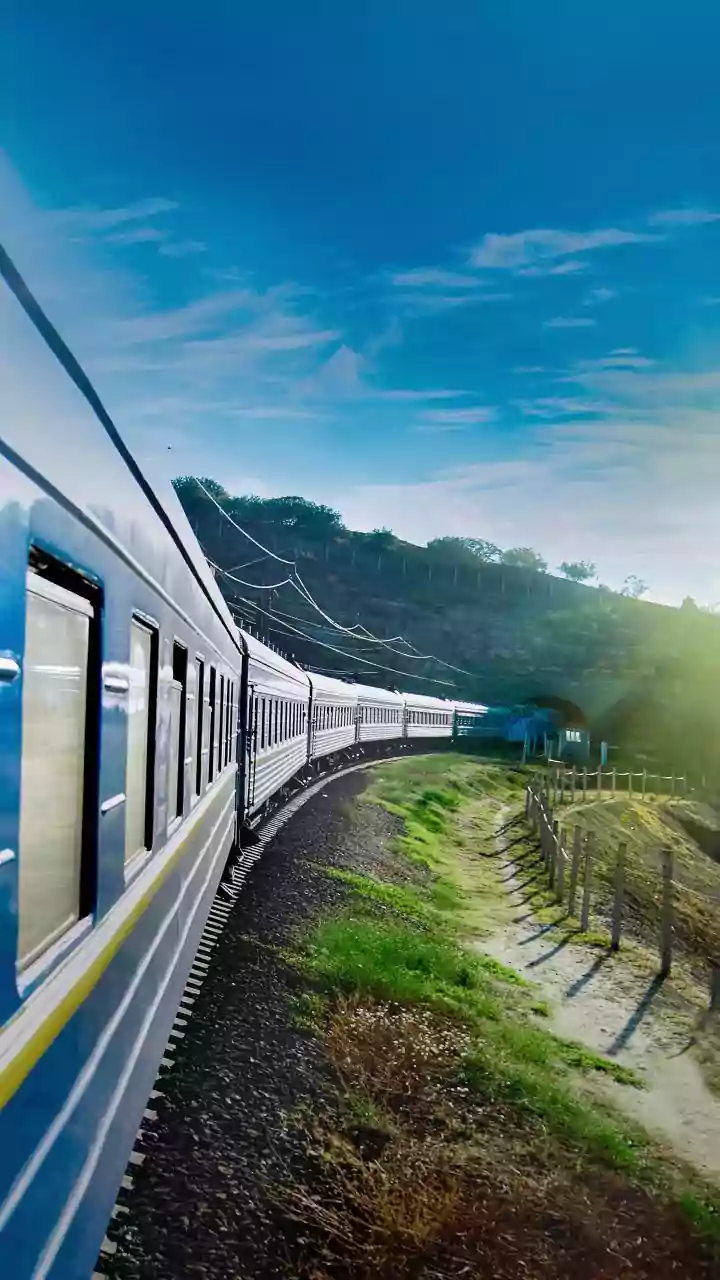
While there isn't one single 'new' express train, the ongoing modernisation and upgrading of the Indian Railways network, particularly the crucial Itarsi-Nagpur corridor, is a game-changer for wildlife tourism. This busy route slices through the wilderness
of Southern Madhya Pradesh and is the main artery for accessing several key tiger reserves. Recent approvals for a third railway line aim to increase capacity and efficiency on this very corridor. For travellers, this translates to better-timed overnight services, increased frequency, and more reliable connections, making it feasible to leave a major city at night and wake up on the doorstep of the jungle.
Your Gateway to the Wild
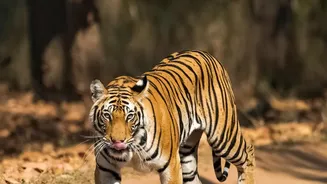
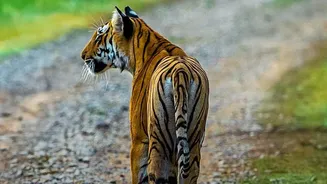
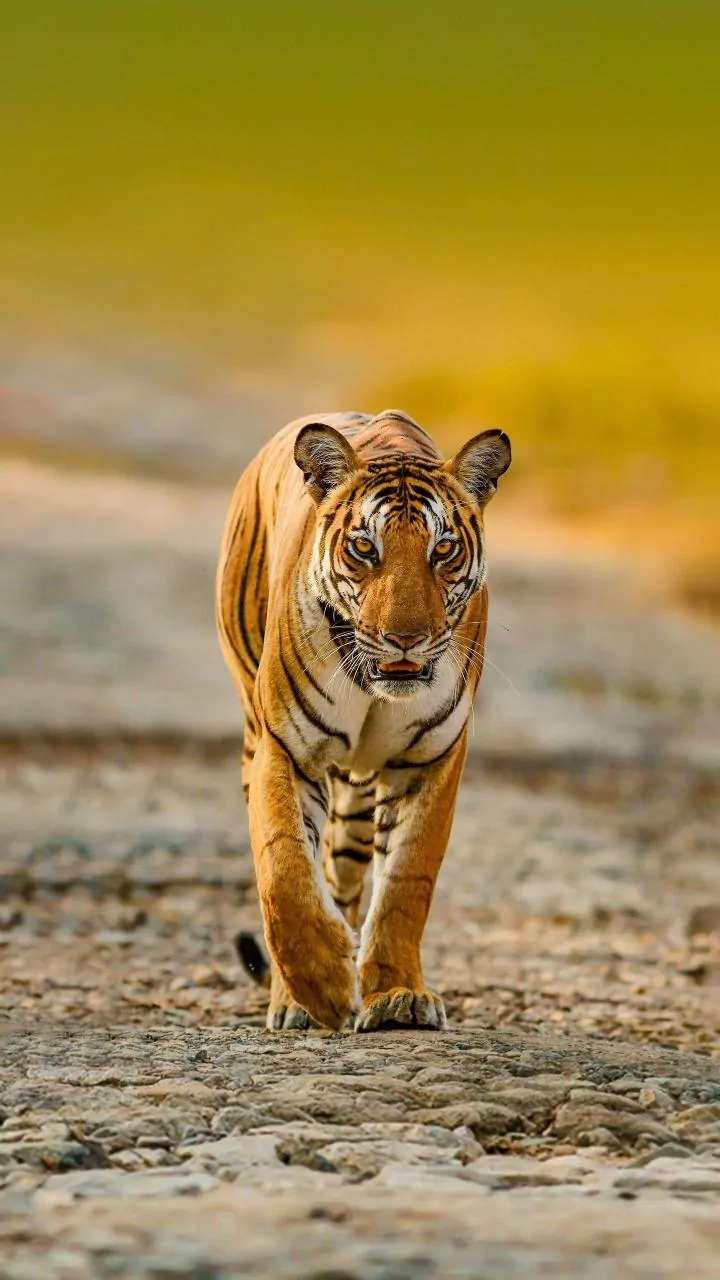
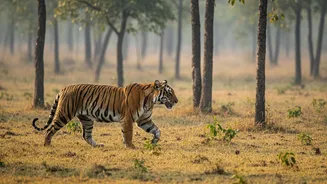
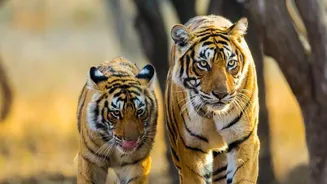
Central India, often called the 'Tiger State', hosts some of the country's most iconic national parks. The improved rail network provides easy access to these reserves. For Bandhavgarh National Park, known for its high tiger density, the nearest major railheads are Umaria (35 km), Katni (100 km), and Jabalpur (190 km). Similarly, for Pench National Park, the inspiration for Kipling's 'The Jungle Book', the closest well-connected station is Seoni (30 km), with Nagpur (130 km) serving as a major hub. Kanha Tiger Reserve is also accessible via Jabalpur and Nagpur, from where you can take a taxi for the final leg of the journey. Many overnight trains from cities like Delhi and Mumbai halt at these stations, allowing you to time your arrival perfectly for a morning safari.
The Low-Cost Equation
This is where train travel truly shines for the solo, budget-conscious traveller. A 3AC or Sleeper Class ticket on an overnight train can cost a fraction of a flight. For instance, instead of an expensive flight to Jabalpur or Nagpur followed by a multi-hour taxi ride costing several thousand rupees, a train journey is significantly cheaper. The overnight travel also saves you the cost of one night's accommodation. You go to sleep in one city and wake up refreshed at your destination, with the money saved on a hotel room better spent on an extra safari drive. This combination of low ticket prices and saving on a night's stay makes a solo wildlife trip financially viable.
Tailor-Made for the Solo Traveller
Overnight trains offer unique advantages for those travelling alone. For many, especially women, a crowded train can feel safer than isolated road travel at night. Booking an upper berth is often recommended for greater privacy and security for your belongings. The journey itself is an experience, offering a chance to meet fellow travellers and see the landscape change. It removes the stress of navigating unfamiliar highways alone and delivers you to a central point from where arranging the final leg to your jungle lodge is straightforward. Befriending a family in your compartment or simply having other people around provides a sense of community that you wouldn't get in a private taxi.
Planning Your Jungle Expedition
Booking your train journey is the first step. Use the official IRCTC website or app to check for trains to stations like Jabalpur, Katni, Umaria, or Seoni. It is advisable to book well in advance, especially during peak season. Once your train is booked, contact your chosen jungle lodge or a local tour operator to arrange a taxi pickup from the station. Most resorts near the national parks offer this service. You can also pre-book your jungle safaris online through the state's forest department portal. Remember to pack essentials for the train journey like a padlock for your bag, wet wipes, a portable charger, and some snacks.