







The Monsoon’s Final Report Card
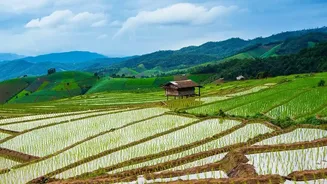
Everything in rural India begins and ends with the monsoon. The 2026 season's performance, particularly the late-season rains in September, will be the single most important factor determining rural prosperity. A well-distributed monsoon boosts crop yields,
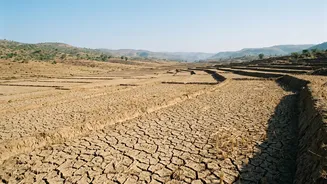
which directly translates into higher disposable income for millions of farmers. Good rainfall replenishes reservoirs, ensuring water for winter crops and reducing distress. Conversely, erratic or deficient rains can curb spending power significantly. Economists and companies will be closely watching agricultural output forecasts to get the first real signal of how strong this festive season might be. A bountiful harvest means farmers are more likely to spend on everything from new clothes to home upgrades.
The Two-Wheeler and Tractor Test
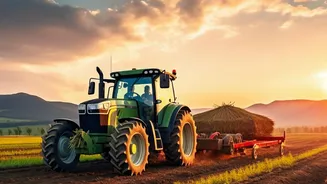
If you want a clear, on-the-ground indicator of rural confidence, look at vehicle showrooms. Sales of motorcycles and tractors are a classic barometer of rural economic sentiment. A two-wheeler is often the first big-ticket purchase for a family feeling financially secure, representing both aspiration and utility. Tractor sales, on the other hand, are a direct measure of agricultural investment. When farmers are optimistic about future earnings, they invest in mechanisation to improve productivity. Automakers' monthly sales data, released around the start of each month, will be dissected for signs of an uptick or a slowdown in these specific categories, providing a real-time pulse on purchasing power.
FMCG and Consumer Durables Demand
Fast-Moving Consumer Goods (FMCG)—everyday items like soaps, biscuits, and packaged foods—tell a story about consumption depth. While big-ticket purchases are a sign of confidence, a rise in the consumption of branded FMCG products indicates a broader improvement in household budgets. This year, analysts are watching to see if consumers move from smaller, local brands to larger, national ones, a trend that signals increased discretionary spending. Similarly, demand for consumer durables like refrigerators, televisions, and washing machines will be a key indicator. Many rural families save up for these purchases and make them during the auspicious festive period, often taking advantage of discounts and financing offers.
The Role of Government Payouts
Government policy continues to play a significant role in supporting the rural economy. The timing and scale of various government schemes, including direct benefit transfers and Minimum Support Price (MSP) increases for key crops, can provide a substantial cushion. These funds often arrive just ahead of the festive season, injecting liquidity directly into the rural ecosystem. This year, the effectiveness of these support systems will be under scrutiny. A smooth and timely disbursal of funds can significantly boost festive demand, acting as a crucial buffer, especially in regions that may have experienced less-than-ideal weather conditions.
Credit and Digital Payments
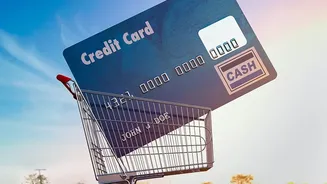
The availability of credit is the lubricant that keeps the festive economy moving. The willingness of banks and non-banking financial companies (NBFCs) to extend loans for personal consumption, agriculture, and small businesses is critical. Easy access to credit can unlock demand for larger purchases like gold, vehicles, and property. Furthermore, the continued expansion of digital payment platforms into India's villages is a trend to watch. Increased usage of UPI and other fintech services can provide a clearer and faster picture of transaction volumes and consumer behaviour, offering a new layer of insight that was unavailable just a few years ago.