






The Driest Spell in Years
The 2026 southwest monsoon season has officially concluded with a substantial rainfall deficit, marking it as the weakest since 2015. According to the India Meteorological Department (IMD), cumulative rainfall from June to September was approximately
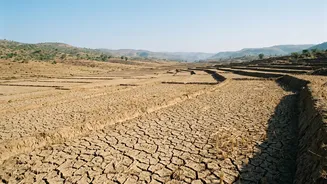
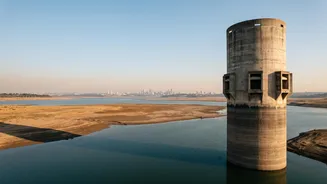
12.6% below the long-period average. This shortfall is largely attributed to strengthening El Niño conditions, a weather phenomenon known for suppressing monsoon rains across Asia. The deficit wasn't uniform; it was distributed unevenly across the country, with some states in southern India and the monsoon core zone experiencing particularly dry conditions, leading to drought declarations in several districts. This has left reservoir levels at their lowest in a decade for this time of year, raising concerns not only for the Kharif harvest but also for the upcoming Rabi winter crop season which depends on this stored water.
From Fallow Fields to Strained Wallets
For millions of rural households, the axiom 'less rain means less money' is a harsh reality. A weak monsoon directly translates to lower agricultural output. The deficient rains have already impacted Kharif (monsoon crop) sowing, with the total area under cultivation shrinking compared to the previous year. Key crops like rice, pulses, and cotton have seen acreage decline. This is not just an issue of less area being planted; the lack of water affects crop yields, meaning farmers who did sow are now harvesting less produce. This double impact of reduced acreage and lower yields directly cuts into farm incomes. The financial strain is compounded by rising input costs for things like fertilizer and fuel, further squeezing farmers' already thin margins. This income shock is the primary driver behind the slowdown in rural consumption, as families have less disposable income for both essential and non-essential goods.
The Shopping Cart Slowdown
The impact of reduced farm income is immediately visible in rural market sales data. Big-ticket purchases, often seen as indicators of rural economic sentiment, have taken a significant hit. Tractor sales, a direct barometer of farmer confidence, fell sharply in September, with major manufacturers like Mahindra & Mahindra and Escorts Kubota reporting double-digit declines. Similarly, the demand for two-wheelers has also slowed. Beyond these larger purchases, the fast-moving consumer goods (FMCG) sector is also feeling the pressure. While some reports noted a surprising pre-festive surge in rural FMCG value growth for the quarter ending in September, this may be buoyed by price increases rather than pure volume, and the underlying stress remains. When income is uncertain, rural consumers tend to postpone discretionary spending on items like new clothes, electronics, or even packaged foods, prioritizing essentials instead.
Ripple Effects Across the Economy
The slowdown in rural India, which accounts for a substantial portion of the country's population and demand, does not happen in isolation. It creates ripple effects that are felt across the national economy. A decline in rural demand impacts the bottom lines of companies across various sectors, from auto manufacturing to consumer goods. Furthermore, lower agricultural output puts upward pressure on food prices, stoking inflation. This is a major concern for the Reserve Bank of India, as food items constitute a large part of the consumer price index. The government also faces fiscal pressure. A weak monsoon can necessitate increased spending on rural support schemes, drought relief, and higher subsidies for essentials like fertilizer, all while tax revenues from the rural economy might dip. The entire economic chain, from the small village shop to corporate boardrooms in Mumbai, feels the impact of a poor monsoon.