








The Rise of Micro-Savings
In a country with a deep cultural affinity for gold, owning it has often been associated with significant, lump-sum purchases. However, the digital payments revolution, led by UPI, has paved the way for a new approach: micro-investing. Several Indian
fintech apps have tapped into this behavioural shift, offering a service that feels less like a daunting investment and more like an effortless savings habit. The core idea is simple: what if every time you spent money, you could automatically save a tiny, almost unnoticeable amount? By linking to your SMS transaction history or UPI account, these apps track your daily spending and use a clever mechanism to help you accumulate wealth, one rupee at a time.
How the 'Round-Up' Magic Works
The most popular feature these apps offer is the 'round-up'. The process is seamless and designed to be 'set and forget'. Let’s say you buy a coffee for ₹184 using a digital wallet or card. The app, with your permission, detects this transaction. It then rounds up the purchase amount to the nearest 10 (or 100, depending on your settings). In this case, it would round up to ₹190. The difference of ₹6 is automatically debited from your bank account and invested into digital gold on your behalf. While a few rupees might seem insignificant, these small, consistent contributions can add up surprisingly quickly over weeks and months, especially for those who transact frequently. It transforms the act of spending into a dual-purpose activity: consumption and saving.
Why Digital Gold?
While micro-investing could theoretically apply to stocks or mutual funds, digital gold is the chosen asset for several strategic reasons. First, it taps into the traditional Indian mindset where gold is seen as a safe, reliable store of value. Second, it is highly divisible. You cannot buy ₹10 worth of a large-cap stock, but you can easily buy ₹10 worth of digital gold. This makes it perfect for micro-transactions. Digital gold is 24-karat pure and is typically stored in insured vaults by a third-party custodian, like Augmont or MMTC-PAMP, eliminating the storage and security concerns associated with physical gold. Furthermore, it is highly liquid and can be sold back at market rates almost instantly, with the money credited to your bank account.
The Key Advantages
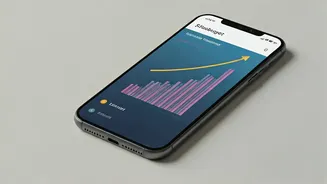
The appeal of this model is multi-fold. For young or first-time investors, it provides an incredibly low barrier to entry into the investment world. It bypasses the need for complex financial knowledge or large initial capital. The automation also instills a sense of disciplined saving without requiring active willpower. Since the amounts are small, it doesn't strain your monthly budget. Users can track their portfolio’s growth directly within the app, providing a tangible sense of accomplishment. This gamified, visually engaging approach helps build a positive relationship with saving and investing from an early age.
What to Watch Out For
Despite the convenience, it's crucial to be aware of the associated costs and risks. Firstly, a 3% Goods and Services Tax (GST) is levied on every gold purchase, which means your investment starts at a slight loss. Secondly, while the apps themselves may not charge fees, their digital gold partners often have a spread between the buy and sell price, typically ranging from 2-3%. This means the price you sell at will be slightly lower than the price you buy at. Finally, unlike stocks and mutual funds which are regulated by SEBI, digital gold currently falls into a regulatory grey area. While the underlying gold is real and insured, the platforms themselves aren't governed by a dedicated body like the RBI or SEBI, which is a risk to consider. And like any market-linked asset, the value of gold can go up or down.