


Your Guide to the Winter Action Plan
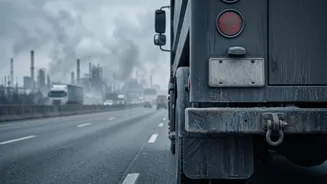
Every year, as air quality in the National Capital Region deteriorates, authorities implement a 'Winter Action Plan', which includes the Graded Response Action Plan (GRAP). Managed by the Commission for Air Quality Management (CAQM), GRAP is a set of
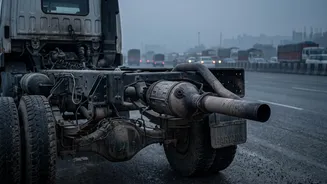
emergency measures that become active as pollution levels worsen. For interstate drivers, the most critical part of this plan involves restrictions on specific types of vehicles. The government has announced that from November 1, 2026, to January 31, 2027, vehicles registered outside Delhi that are not compliant with BS-VI emission standards will be barred from entering the city. This primarily targets older petrol and diesel cars.
Which Vehicles Are Banned and When?
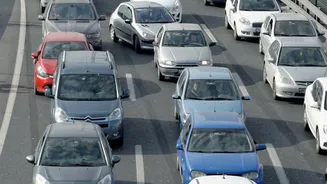
The restrictions are tied to GRAP stages, which are determined by the Air Quality Index (AQI). While Stage I and II focus on industrial and construction dust, the rules get much stricter for private vehicles from Stage III onwards. Under Stage III, which is typically invoked when the AQI crosses the 400 'Severe' mark, BS-III petrol and BS-IV diesel four-wheelers are banned from the roads of Delhi-NCR. This ban applies to all such vehicles, regardless of their state of registration. The newer and stricter Winter Action Plan for 2026 mandates a blanket ban on all non-BS-VI vehicles registered outside Delhi for the entire three-month period from November to January. This goes a step beyond the reactive GRAP stages, creating a proactive blockade against more polluting vehicles during the peak pollution season.
The High Cost of Violation: A Rs 20,000 Fine
Ignoring these regulations can be a costly mistake. Driving a banned vehicle category (like a BS-III petrol or BS-IV diesel car) during a GRAP-3 or GRAP-4 period can attract a hefty fine of Rs 20,000. This penalty is enforced under the Motor Vehicles Act. Furthermore, there's a standing ban in Delhi on all diesel vehicles older than 10 years and petrol vehicles older than 15 years, enforced regardless of the GRAP status. Vehicles found violating these rules are subject to impounding. Police have advised transporters and drivers to check their vehicle's emission standards before planning a trip to Delhi to avoid fines and legal action.
Exemptions and Other Key Rules
Not all vehicles are barred. The restrictions do not apply to electric vehicles (EVs) and CNG-powered vehicles. Vehicles deployed for essential and emergency services are also exempt from these entry bans. Beyond the entry ban, another significant rule is the 'No PUC, No Fuel' policy. Starting November 1, 2026, fuel stations across Delhi will refuse to sell petrol, diesel, or CNG to any vehicle that does not have a valid Pollution Under Control (PUC) certificate. This applies to all vehicles, including those registered in Delhi. Therefore, ensuring your PUC certificate is up-to-date is as crucial as checking your vehicle's BS standard.
How to Stay Compliant
Before you travel, the first step is to know your vehicle's emission standard. The Bharat Stage (BS) norm is mentioned on your vehicle's Registration Certificate (RC). As a general rule, cars sold before April 2010 are likely BS-III or older, those sold between April 2010 and April 2017 are BS-IV, and those sold after April 2020 are BS-VI. If your vehicle is registered outside Delhi and is not BS-VI compliant, you will not be able to enter the capital between November 1, 2026, and January 31, 2027. For real-time updates on which stage of GRAP is active, you can use apps like SAMEER or check the official CAQM website.