

A Creative Twist on Tradition
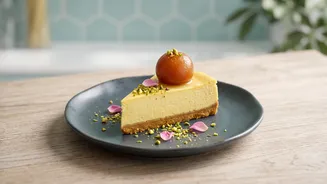
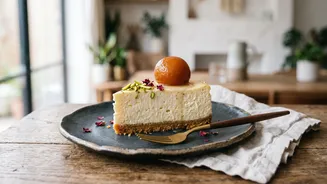
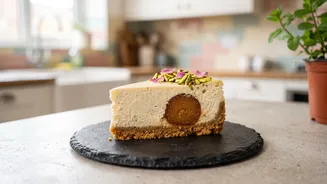
Imagine a soft, syrupy gulab jamun nestled inside a rich, fudgy brownie, or the delicate, creamy texture of a cheesecake infused with the fragrant essence of rasmalai. This is the world of Indian fusion sweets, a culinary movement where home cooks are
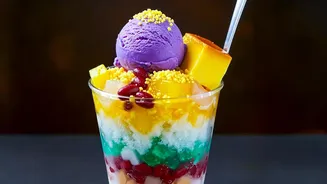
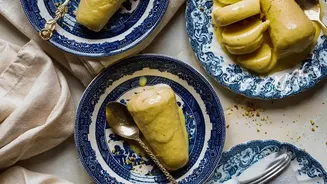
playfully reinventing festive classics. The trend involves marrying traditional Indian mithai flavours with Western dessert formats like cakes, tarts, mousses, and truffles. Think Motichoor Ladoo Cheesecake, Thandai Panna Cotta, or even Paan-flavoured macarons. It’s a creative dialogue between nostalgia and novelty, resulting in desserts that are both comfortingly familiar and thrillingly new.
Why Is This Happening Now?
Several factors are stirring the pot. Firstly, social media platforms like Instagram have become a major catalyst. The visual appeal of a beautifully plated Gulab Jamun Cake or a colourful Kesar Pista Cupcake is undeniable, encouraging home cooks to experiment and share their creations. Secondly, a growing global exposure has expanded the Indian palate. Younger generations, in particular, appreciate the sophisticated textures and presentations of Western-style desserts and enjoy seeing them combined with the flavours they grew up with. This blending of old and new allows them to connect with their heritage in a modern, relatable way. Finally, home cooks have become stars in their own right, using social media to demonstrate that these seemingly complex creations are achievable at home, inspiring others to try.
The Perfect Blend of Old and New
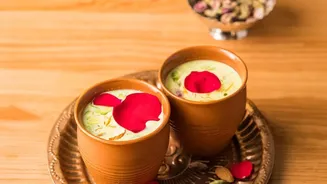
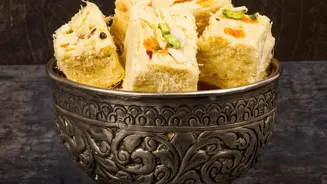
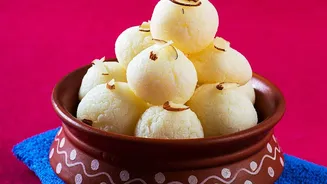
The beauty of this trend lies in its balance. The goal isn't to overshadow traditional tastes but to enhance them. Successful fusion desserts honour the core flavour profiles of Indian sweets. For example, the aromatic notes of saffron and cardamom in a Rasmalai Tres Leches cake complement the milky sweetness, creating a harmonious blend rather than a confusing clash. Home cooks are discovering that the malty richness of jaggery pairs wonderfully with dark chocolate, and the floral notes of rose work beautifully in everything from tarts to milk cakes. The trend works both ways, with some infusing classic Indian sweets with new flavours, such as creating Chocolate Barfi or Mango Coconut Ladoos. This thoughtful approach ensures the final product feels like an evolution, not a betrayal, of tradition.
Beyond the Festival Platter
While festive seasons like Diwali and Holi are a major driver for this trend, fusion sweets are breaking free from the calendar. They are increasingly appearing at birthday parties, anniversary dinners, and casual get-togethers. A bite-sized Gulkand Pistachio Bonbon or a jar of Mishti Doi Mousse offers a sophisticated and modern alternative to a standard box of mithai. This shift reflects a broader change in urban Indian entertaining, where hosts are eager to offer their guests unique, memorable experiences. These desserts act as a bridge between generations, satisfying both the traditionalist's craving for familiar flavours and the modernist's desire for something new.
Your Kitchen, Your Creation
The best part about the fusion sweet trend is its accessibility. It encourages experimentation and creativity in the home kitchen. You don't need to be a professional pastry chef to start. A simple beginning could be adding crumbled motichoor ladoo into a brownie batter or infusing your next batch of vanilla cupcakes with chai masala or saffron. You could try making Chocolate Badam Burfi by adding cocoa to the classic recipe or creating simple Gulab Jamun Truffles by dipping store-bought jamuns in melted white chocolate. The spirit of the trend is about having fun and creating something that tells your own delicious story, blending the sweets of your memory with the flavours of today.